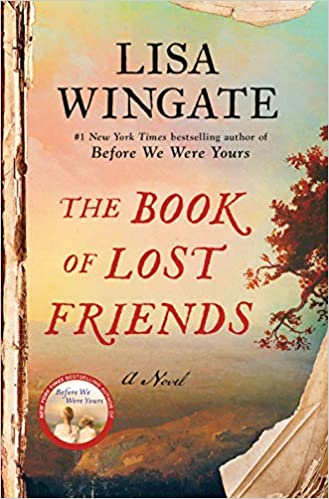
I listened to the audiobook and I thought the voices were amazingly good. It reminded me of The Help.
I’ve become a fan of Lisa Wingate’s books, and this one did not disappoint. Moving between time periods to tell the stories of Hannie seeking to reunite with family in 1875 during Reconstruction in the South, and a young woman called Benny in 1987 who takes a teaching job in a poor rural area and struggles to make local history matter to her students. The story was inspired by ads that were placed with the help of a church by former slaves seeking “lost friends.”
The story is expertly woven and engrossing. At times I promise myself I’m not going to read any more stories about slavery and its aftermath, but then I find really good books and I’m always glad I read them. The Book of Lost Friends features compelling characters that I rooted for throughout the story. While there was a plot twist at the end that helped to explain the teacher’s motivations but seemed a bit convenient, it didn’t take anything away from the story that will touch your heart and help drive home the point that we absolutely must learn from history. Highly recommended.
Welcome to Novel PASTimes! We are pleased you stopped by today. Can you tell us a little about yourself?
Certainly. It’s so nice of you to ask me in to talk about what I’ve been doing in 1933. My name is Piper Danson. I grew up in a nice home in Louisville, Kentucky, where one of my very favorite things to do was go horseback riding with my friend, Jamie. My father is an attorney and my grandfather founded a bank that managed to keep its doors open during the economic crisis after Black Tuesday destroyed so many banks and businesses. I’m happy we are beginning to see signs the country is coming out of the depression thanks to President Roosevelt’s programs to get people back to work. The soup lines in town were terrible to see and some of my dearest friends’ families lost everything in the market crash. That’s one reason I was not very excited about my debutante season and my debut ball in May. It simply seemed wrong to spend so much money on a party I really didn’t want when others were in need, but my mother insisted I had to be a debutante whether I wanted to be or not.
The Depression was a terrible time and we do want to know more about that and about your debutante year. But first, Piper is an unusual name? Is it a family name?
No, I wasn’t named after anybody in my family. When I was younger, I did wish I might have been so I’d have an ordinary name like Sally or Elizabeth. But now, I like having a different sounding name. Especially after I discovered how I came about the name. I was born during a terrible snowstorm. At home, of course, as was the custom when I was born. My father happened to be away on business when I decided to make my appearance a few weeks early. His sister, my aunt Truda, had been standing in for him to make sure my mother had whatever she needed. There were servants to help, but a family member needs to be in attendance too, don’t you think? So, when I was born and turned out not to be the boy my parents had hoped for since they already had one daughter, my mother had no ideas for names. Father said she should have never asked Truda for suggestions. After all, Truda doesn’t exactly have a common name either. Truda claims she had no reason for suggesting Piper and that she was surprised when my mother agreed to the name. Perhaps Mother did think it was a family name. Truda says my mother letting her name me was one of her most precious gifts since Truda has no children of her own.
When I went to the mountains to volunteer with the Frontier Nursing Service, the first thing they did was give me a nickname. I have to admit I was very glad they didn’t choose Pip.
That’s so interesting. It sounds as though you have a special relationship with your aunt Truda? Is that so?
Oh yes. Truda and I have always been close. Some say I’m so much like her that I could be her daughter. My mother is petite and delicate. Truda and I are tall and slender but no one would call us delicate. That’s fine with me. I like being strong enough to handle a horse while not looking like a shrinking violet. Of course, looks can be deceiving when it comes to my mother. While she has always seemed happy as a devoted wife and mother, I found out she was one of the suffragettes who wore white dresses and marched down Louisville’s streets demanding the vote for women. So perhaps I get my independent thinking from both my aunt Truda and my mother.
But you did say it was your mother who insisted you have a debut party, wasn’t it?
Yes. Mother does like to keep up appearances, and Father thought it was a way I could make a proper match. My father had the perfect man, according to him, picked out for me to marry. I thought he might have a stroke when I told him I wanted to do something different before I settled into married life.
I thought most young women loved being debutants. That’s something like being a princess for a season, isn’t it?
I suppose so, although I can’t really answer for other girls. Perhaps if I’d had my debut when I was younger, I would have been more excited about the process. Due to the economic downturn, we thought it best to delay my debutante season. So, I was already twenty when I had my debut, a bit older than most. You’re right about the princess feeling. Debutantes wear elaborate white gowns and are given many bouquets of flowers on their big night. Emily Post has whole sections in her etiquette book of how such parties are supposed to be done along with how a debutante should act and what she should or shouldn’t say. Each girl must have her own special event with all the other debutantes in attendance. A debutante season can be a round of one party or tea after another with all the new dress fittings in between. Some girls do love it all, but I found it tiresome. I’d much rather be riding my horse. Perhaps not everyone is cut out to be a princess.
What can you tell us about the Depression?
I don’t know what exactly caused it. Truda said people were riding too high thinking the good times in the Twenties were going to last forever. Then Black Tuesday hit in 1929. People lost everything. Banks ran out of money. Factories closed. There weren’t any jobs. My best friend’s family lost everything. Their house. Their money. Everything. He even lost his father. A sudden heart attack partly attributed to the stress of the market crash. My family was able to continue with some semblance of the lifestyle we were used to, but many were not as fortunate. I think knowing how so many were suffering may have been the reason I couldn’t embrace the idea of my debutante season. I wanted to do something different. Something more than dancing away the nights while others no longer had any reason to dance. Something that mattered.
You keep mentioning doing something different. So, did you find something different to do rather than go to those debutante parties?
I did. Something very different. My aunt Truda gave a tea for Mary Breckinridge who founded the Frontier Nursing Service in the Eastern Kentucky Appalachian Mountains. I was very impressed with her talk about the nurse midwives who rode up into those hills to help mothers give birth and to do their best to improve the families’ health. Then when she said young women like me often volunteered weeks or even months of their time to take care of the nurses’ horses, run errands or do whatever was needed to give the nurse midwives more time with their patients, I knew that was the something different I wanted to do. I have always loved horses and while I had never had to do much actual work, I was not afraid of getting my hands dirty if it was doing something worthwhile. So, I got on a train and went to Leslie County, Kentucky to volunteer as a courier with the Frontier Nursing Service. Believe me, I found my something different.
What did your parents think about that?
They weren’t happy. Especially my father who thought I was throwing away my chances for a good marriage. Mother, surprisingly enough, seemed to understand and although not happy about me casting aside my debutante season, was very supportive.
Tell us something about the Frontier Nursing Service. It sounds very interesting.
Actually, the Frontier Nursing Service is proof of what one determined woman can accomplish when she has a vision. Mary Breckinridge had that vision of helping mothers and children who lacked access to proper healthcare due to their isolation and poverty. She had seen how nurse midwives served people in France after the Great War in 1918. So she went to England to train as a midwife since there were no midwifery schools in America. Then she talked some of those English midwives into coming to Eastern Kentucky to start her nurse midwifery service in Leslie County, Kentucky. She recruited nurse midwives by promising them a horse, a dog and the opportunity to save children’s lives in a rugged but beautiful area of America. Dedicated women came to the mountains from across the sea to do just that. Mrs. Breckinridge managed to get a hospital built in Hyden, Kentucky.
She was from a socially prominent family and she used those contacts to speak to groups of women who supported her work in the mountains through contributions of money and supplies. I met her at one of those teas. She never asked for money. She merely told about the amazing work of her nurse midwives and how the mountain mothers needed healthcare. The donations came in and young women like me volunteered to be the hands and feet of those nurses. The Frontier Nursing Service has a record of healthy births as good or even better than anywhere in the country. One woman. One vision. Hundreds of healthy babies and mothers.
That is inspiring. I can see you were impressed by Mary Breckinridge and her nurse midwives. But what about you? What happened once you got to the mountains?
I couldn’t even begin to tell you all the things I experienced. Babies being born. Horses needing care. Seeing stars that seemed almost close enough to touch. Hearing whippoorwills and learning mountain trails. Crossing swinging bridges. Getting to know the nurse midwives. Doing things I could have never imagined doing before I volunteered as a courier and some I find hard to believe even now that I did manage to do. Then aunt Truda came to visit and both the man my father wanted me to marry and my old friend, Jamie, followed me to the mountains. Needless to say, things got really interesting then.
It sounds like you had a busy summer.
I had a wonderful summer. An unforgettable experience. If I ever have a daughter, I’m signing her up on the waiting list to be a Frontier Nursing Service courier as soon as she’s born. Working with the midwives in the mountains changed my life and it would surely change hers too. They have a saying at the Frontier Nursing Service that nobody comes there by accident. I think it was no accident that I heard Mrs. Breckinridge speak and then headed to the mountains. The Lord knew I needed this summer.
Is there anything else you’d like people to know about you? What’s next for you?
I have no idea what’s next, but I am so ready for the adventure of life now that I’ve witnessed babies taking their first breaths, explored new places and dared new things. I want to rejoice in the gift of each day and keep looking for that something different to do.
Thanks for allowing us to get know you a little better!
Thank you for inviting me over. I’m always ready to talk about my Appalachian summer.
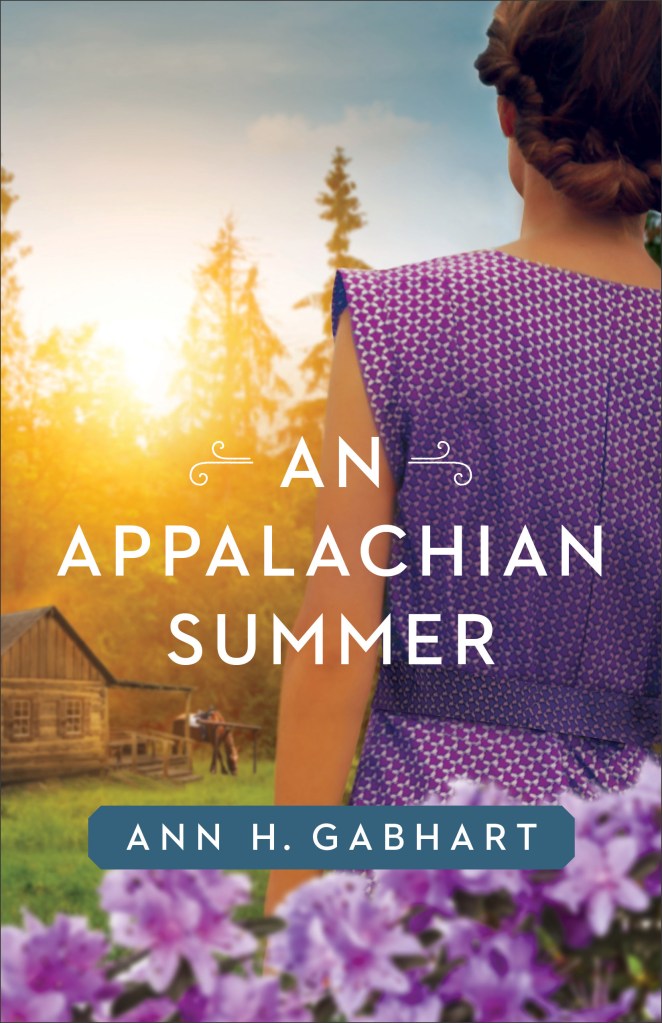
After the market crash of 1929 sent the country’s economy into a downward spiral that led to the Great Depression, the last thing Piper Danson wants is to flaunt her family’s fortune while so many suffer. Although she reluctantly agrees to a debut party at her parents’ insistence, she still craves a meaningful life over the emptiness of an advantageous marriage.
When an opportunity to volunteer with the Frontier Nursing Service arises, Piper jumps at the chance. But her spontaneous jaunt turns into something unexpected when she falls in love with more than just the breathtaking Appalachian Mountains.
Romance and adventure are in the Kentucky mountain air as Gabhart weaves a story of a woman yearning for love but caught between two worlds—each promising something different.
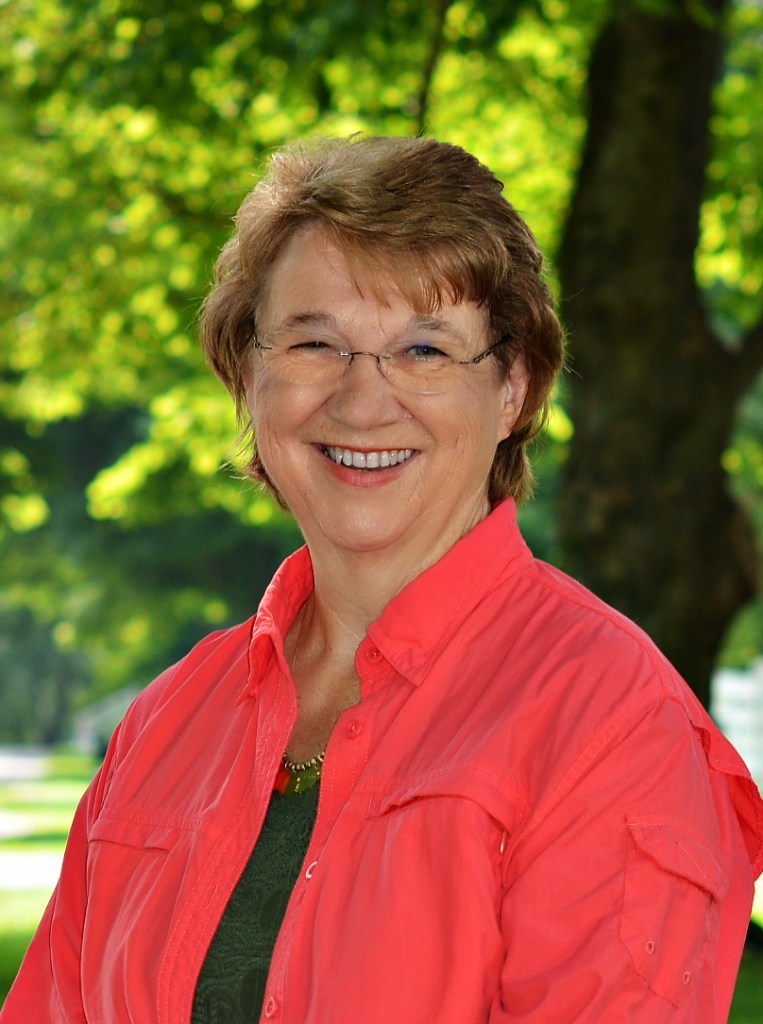
Ann H. Gabhart is the bestselling and award-winning author of several Shaker novels—The Outsider, TheBeliever, The Seeker, The Blessed, The Gifted, and The Innocent—as well as historical novels—River to Redemption, These Healing Hills, Angel Sister, Love Comes Home, and more. Writing as A. H. Gabhart, she is also the author of the popular Hidden Springs Mysteries series. She has been a finalist for the ECPA Book of the Year and the Carol Awards, has won Selah Awards for River to Redemption andLove Comes Home, and won RWA’s Faith, Hope, and Love Award for These Healing Hills. Ann and her husband enjoy country life on a farm a mile from where she was born in rural Kentucky. Learn more at www.annhgabhart.com.
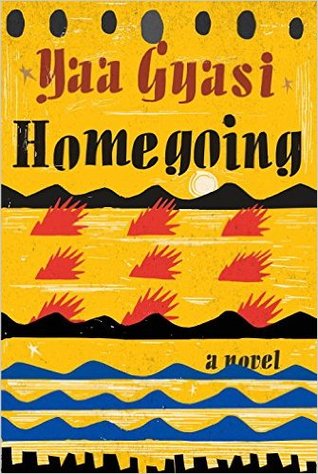
My local bookstore recommended this book because I like novels about family legacies. I admit, this book flung me out of my comfort zone. I did not read this book because of what happened to George Floyd and the resulting riots. I had started it long before. It’s a difficult read, especially the chapters on the slave experience, so I read it slowly. It turned out to be a very timely read as it takes readers into the lives of several families and their hardships. For some the struggle was slavery, but for others it was something else. Some struggled against the elements as they eked out a livelihood from the land. Others try to overcome mental issues and the resulting shunning by their community. Some suffer physical abuse. The characters lead tough lives as they cope with the memories of their ancestors. We follow the descendants as some come to America and then struggle because of the color of their skin. This book was published in 2016. What it describes is certainly not new.
“The news made it sound like the fault lay with the blacks of Harlem. The violent, the crazy, the monstrous black people who had the gull to demand that their children not be gunned down in the streets. Sonny clutched his mother’s money tight as he walked back that day, hoping he wouldn’t run into any white people looking to prove a point, because he knew in his body, even if he hadn’t yet put it together in his mind, that in America the worst thing you could be was a black man. Worse than dead, you were a dead man walking.”
p. 260
It’s an emotional story that made me uncomfortable, but taught me a lot about the African-American experience.
Warning: there are some sex scenes and f-bombs. They are brief, but if you’re sensitive to that you should be aware.
The best part of this book, I think, is the ending. All the stories come together as two descendants meet and go together to Ghana. One has been before visiting her grandmother. The other has not. But both feel a connection as they face an inherent fear (one is afraid of water and the other afraid of fire, and by the end you understand why.) The characters express the idea that so much has been overcome by those who came before them that now they can be set free.
I think so much of what we know about history has been written by the white man. It’s refreshing to read another point of view, and certainly educational. If that interests you, read this book and be prepared to be changed.
“How many hours could he spend marching? How many bruises could he collect from the police? How many letters to the mayor, governor, president could he send? How many more days would it take to get something to change? And when it changed, would it change? Would America be any different, or would it be mostly the same?”
Today’s interview complements of the author’s son Scott.
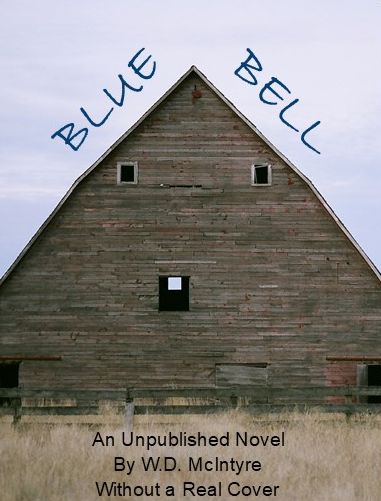
As the character I’m interviewing today for Novel PASTimes, is featured in one of my dad’s, as yet, unpublished novels, let me set the stage for our discussion.
Part One of “Bluebell” opens in 1939, with Willis Jefferson approaching the town of Drewsport. An adult black man, Willis was saved, as a child, by Rowena Kramer, a kindly white woman, just 12 years earlier during a violent storm on the plains of Kansas. Miss Rowena introduced Willis to education, and instilled in him, a love for all.
As he nears the town’s first house, a woman’s scream startles him. Realizing it would be suicide to go to her aid, he tries to ignore the sounds of the beating, but is stopped by the memory of Miss Rowena’s teachings. He rushes to the house where he finds a viciously beaten white woman. Though his actions are heroic, he doesn’t become the beloved of Drewsport and pays the ultimate price for his actions.
The subject of my interview, Carl Schenfield, is an investigative reporter and novelist who kicked off Part Two of “Bluebell”, by going to Drewsport intent on seeing it pay for its crimes. As we spoke, we took much delight commenting, when possible, with excerpts from the novel, which I’ve set aside in quotation marks.
Scott: Thanks for meeting with me Carl. My research shows you were a correspondent in the Pacific when the Japanese attacked Pearl Harbor, and it was there you met someone that greatly impacted you. Can you tell me about that meeting?
Carl: He was a “young man, a gunner’s mate from a PT squadron, at an airstrip on Leyte. They were there waiting for transportation north. The boy was being reassigned after having been hospitalized for injuries incurred when his boat was blown from beneath him.”
Scott: And you talked with him for a long time?
Carl: No, it was “a brief encounter…war rarely leaves time for proper introductions. Such meetings might be no more than sharing a slit trench, a life raft, foxhole, or being slung over the shoulder of some guy who’s risking his life to save your butt.”
Scott: That doesn’t sound like ideal circumstances for investigative reporting.
Carl: Actually, “these situations, and the myriad of others created by war, make room for an openness that is seldom achieved in more refinedcircumstances. Maybe there’s an attraction, maybe there isn’t; it’s of little consequence. In the next minute either, or both of you, could be dead. It had been that way with…Jeremy.”
Scott: Other than what he told you, what stands out about your time together?
Carl: We “were together less than an hour” but even in that short time, I “learned a great deal about the boy, his family, friends…and his hometown.”
Scott: Being a reporter during the war, you probably “had seen more death than a hundred men would see in a lifetime. In the midst of such wholesale slaughter, why would hearing about the death of one man make such a lasting impression?“
Carl: During my time in the Pacific, “there had been atrocities enough on both sides to foster grave misgivings concerning the state of the ‘civilized’ world.” Then the kid told me what his town had done, and “I was forced to acknowledge the truth: Ignorance, and the fear it breeds, will always combine with hate to produce the same crop.”
Scott: According to my dad’s synopsis of the book, your role in the story covers approximately two weeks and you learned as much about yourself as you did about the town, but very little of either offered much hope for humanity.
Carl: Well, if I may be allowed to quote the same synop, “Bluebell, however, is not a tale of gloom and doom. There are more than enough moments of tenderness, love and actual brotherhood to give the reader reason to search, expectantly, for the tunnel’s light. It is there, and Bluebell points to it, but not in a way that all will see.”
Scott: Wow…thanks Carl. That makes me want to get this book published even more.
Author Bio
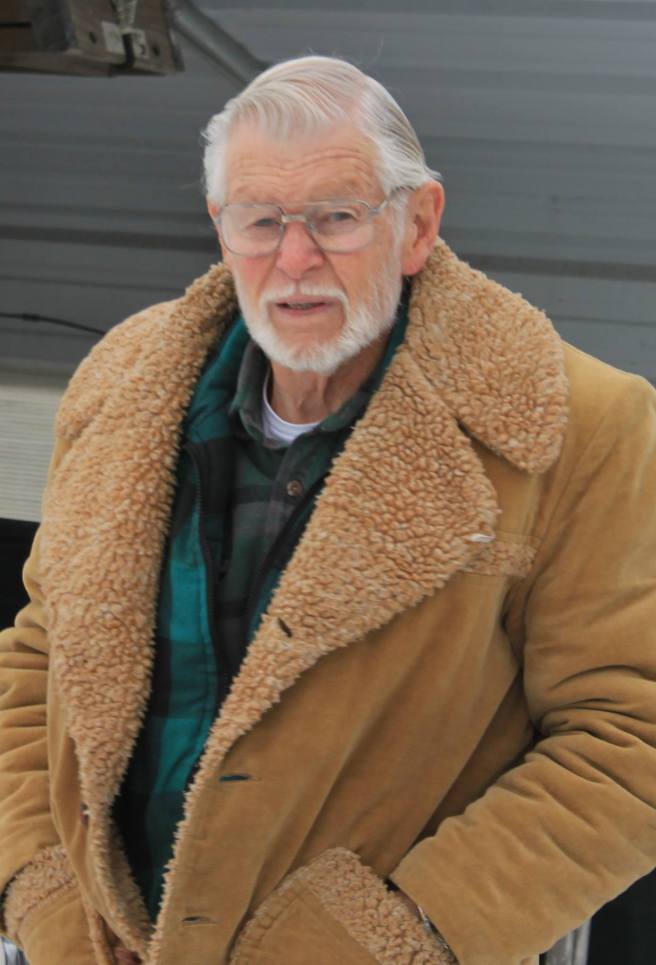
W.D. McIntyre has been writing since the 1950’s and is still working on new novels or performing rewrites of old ones. His publishing dream though, died many years ago and now, any hope that this 94 year-old WWII Navy veteran’s writing will get published rests almost entirely with me, his son.
In earlier years, Dad worked hard to get his writing published. I have documentation showing over 115 submissions of his work to multiple publishing sources. But that effort only produced one short story being printed in a 1981 issue of Virtue magazine.
This lack of achievement could explain why submitting work stopped years ago and, to some, serve as evidence that the writing wasn’t good enough to make it to the public. I disagree. I’ve learned, from studying TV talent competitions, that ‘Lack of Success isn’t necessarily tied to Talent’.
For instance, consider Kelly Clarkson, the first season winner of American Idol. My research showed this incredibly talented and successful singer had nearly given up on her dream of making it in music, until a friend talked her into trying out for American Idol. Her victory proves she was gifted but it was the exposure on national TV that propelled her to fame.
With that thought in mind, my goal has been to increase the public’s awareness and appreciation of who his dad is and what he has written. In essence, I’m trying to duplicate the success experienced by Kelly Clarkson through getting my dad’s talent well known.
Welcome to Novel PASTimes. Please tell us a little about yourselves as an introduction.
Meg: I’m so happy to be here talking with you! My name’s Meg Giry, and I live in Paris with my mother. We came to Paris six years ago when I was twelve. The city was confusing at first, but I love it now. I’m a dancer in the corps de ballet at the Opera Garnier.
Erik: I don’t like talking to strangers. Or anyone, actually. So I’m not that happy about being here, but…I don’t know, sometimes I think maybe I need people. Mostly, though, I’m certain they’re not going to be friendly to a man in a mask. This may be why I live alone under an opera house and make people believe I’m a phantom. Maybe that’s why. I’m admitting nothing.
I’m hearing a connection with the opera house. How do you two know each other?
Meg: We don’t, actually—not yet, at least, but I keep hoping we will. We met once by chance when I first arrived at the Opera Garnier, and he was kinder than all the spooky stories about the Phantom of the Opera claimed. I haven’t believed those stories ever since, and I’ve been looking out for a chance to bump into him again.
Erik: I don’t exactly remember meeting, but if she says so, I guess it’s true. Mostly I just know she’s the daughter of my boxkeeper, Madame Giry.
Meg: Oh, we have a mutual friend too! Christine Daaé is my closest friend, and lately she’s claimed an Angel of Music is teaching her to sing. I’m fairly sure I know who’s behind that.
Erik: I’m still admitting nothing.
You both seem to be involved with the arts.Meg, you mentioned the ballet, and that your friend is a singer. Erik, are you a singer?
Erik: I sing, yes. Not for anyone to hear but yes, I can sing. I identify more as a composer, possibly the greatest there’s ever been.
You think well of yourself.
Erik: I really don’t.
So what other interests do you each have?
Meg: I love the ballet, but it’s not my only focus in life, like many of the women I dance with. I’m so interested in everything else going on at the Opera Garnier – the singing, the productions, and everything happening in the lives of the people there. I also like exploring Paris, walking by the Seine or attending Easter mass at Notre Dame Cathedral. I’d love to be able to travel and visit more of the world, but that’s not easy to do in the 1880s!
Erik: I never leave the Opera. Almost never. Sometimes I have to buy food, but then I go out in the twilight when there are plenty of shadows. Haunting the opera house keeps me very busy anyway: spreading frightening stories, giving advice on the productions, dripping fake blood down the walls. I spend much of my time composing music too. Sometimes I enjoy a good book; two of my favorites are The Hunchback of Notre Dame and Frankenstein. It’s possible I identify too closely with certain characters in those books.
Are there things you’d like to change in your lives?
Erik: Most things. But I doubt very much that’s possible. I have my music and my opera house and that should be enough. If I’m tangled up with Christine Daaé—and I’m still not confirming whether I am—I’m sure it can only end badly.
Meg: I’d like people to stop thinking of me as just my mother’s daughter or Christine’s friend. I want to have a role that matters in something important. I want to be the heroine of my own life, because I often don’t feel that way.
Erik: I’d like to stop feeling like the villain in my life.
I hope the story will bring you each what you’re looking for. Thanks so much for sharing with us!
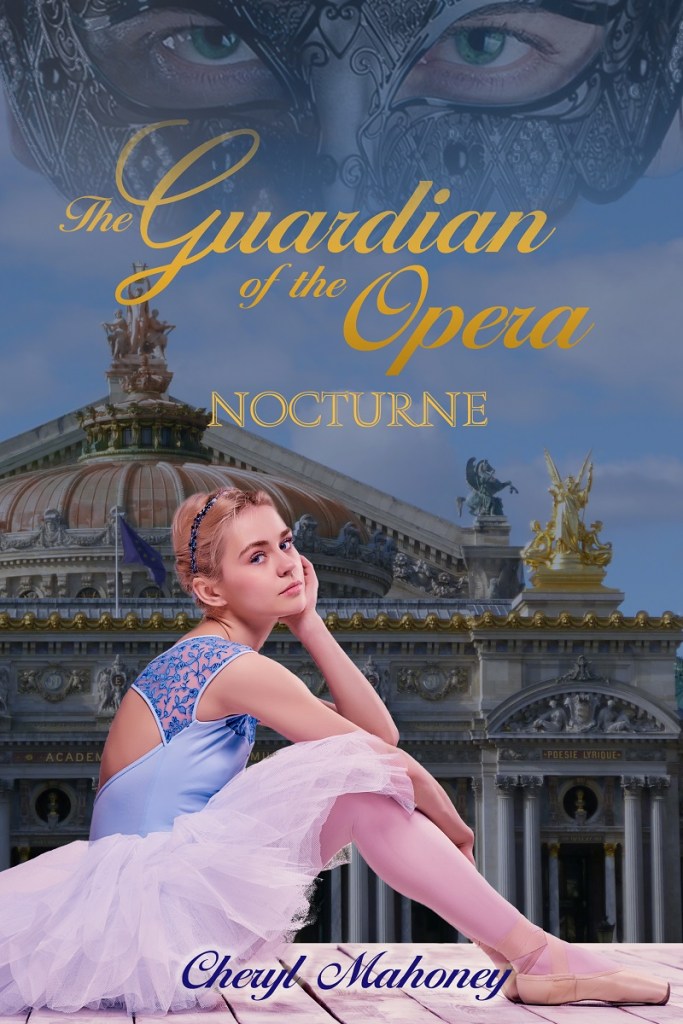
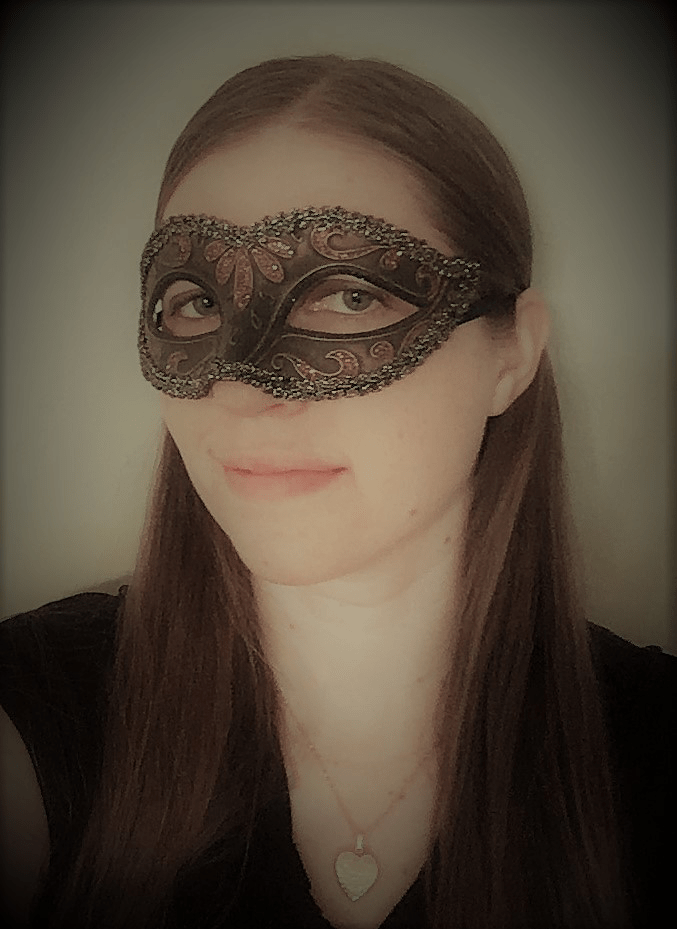
Cheryl Mahoney lives in California and dreams of other worlds. She is the author of the Guardian of the Opera trilogy, exploring the Phantom of the Opera story from a new perspective. The first book, Nocturne, was published June 5, 2020, and can be found on Amazon and Goodreads. Cheryl also wrote the Beyond the Tales quartet, retelling familiar fairy tales, but subverting expectations with new twists to the tales. She loves exploring new worlds in the past, the future or fairyland, and builds her stories around characters finding their way through those worlds – especially characters overlooked or underestimated by the people around them. Cheryl has been blogging since 2010 at Tales of the Marvelous (http://marveloustales.com).
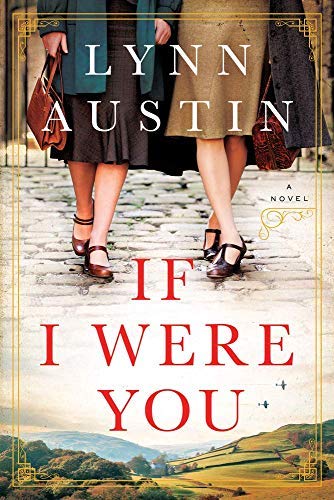
War changes people. We may be more aware of that today than in the past when many people tried to act as though it didn’t. WWII was one of the times when Americans returned home and vowed to leave it all in the past. However, as Lynn Austin says in her author’s note, that was not so easy for those living in England after WWII where war and devastation had landed on their doorstep. Reminders remained for years due to so many bombed areas.
This story is about the lives of two women who met as girls and became friends. It was a friendship that could not be in those days because they came from very different social classes. Eve Dawson’s mother was a lady’s maid and Audrey Clarkson was that lady’s daughter. But WWII changed British society, not to mention individual lives. Eve and Audrey became friends again during the war through the various ways they served their country and the losses and hardships they endured. No one was spared no matter how wealthy they might have been. In the process they learned just how strong they were. And then after the war events altered their lives once again and threatened to destroy their newfound faith in God.
I really liked how this novel was structured. It opens in 1950 with Audrey discovering Eve had impersonated her and taken over her life with the family of her deceased American husband. The mystery of how that could have happened and what they will do about it now that they are together again drives the story because going back in time we see Eve and Audrey as very tight friends.
I also loved the historical background and events, which is something you can always count on Lynn Austin to provide. If you liked the television series Land Girls, you will love this book. And I will say the book is better because it’s inspirational. We get to follow each girl on her spiritual journey during a time when no doubt everyone involved had his/her faith tested. Eve and Audrey are flawed characters, as we all are. They make mistakes, huge ones that affect not only themselves but many others. We can see how a web of lies can entrap someone, and what’s more compelling, when it seems as though the scenario cannot end well we learn with the character that there is always a new beginning for those who repent.
Historical novels that slip back and forth in time can be tricky to read. I’ve struggled with several. Sometimes the cast of characters is difficult to keep track of. Sometimes the motivations are confusing. Sometimes how the character changes because of the challenges he/she faces in each time period becomes disjointed due to flipping back and forth. Not so in this novel. It flowed so well and kept me turning pages.
I highly recommend this novel to those who enjoy historical fiction, and that’s everyone who reads Novel PASTimes.
I received an advanced copy free of charge from the publisher with no requirements for a review. All opinions are mine alone.
Known for the inspirational Celtic theme employed in most of her books, Cindy Thomson is the author of six novels and four non-fiction books, including her newest, Finding Your Irish Roots. A genealogy enthusiast, she writes from her home in Ohio where she lives with her husband Tom near their three grown sons and their families. Visit her online at CindysWriting.com, on Facebook: Facebook.com/Cindyswriting, Twitter: @cindyswriting, Pinterest: @cindyswriting and Book Bub: @cindyswriting.
NPT: Welcome to Novel PASTimes, Emily. We’re so happy you could join us today.
EH: Thank you. It’s a true pleasure to be here.
NPT: Before we get started, I just have to say that you are such a strong, spiritual woman. Where did your deep faith in God come from?
EH: I was always blessed with a strong faith in God—particularly in His love for us. It’s something I’ve never questioned.
NPT: Was this faith instilled in you from your parents, growing up?
EH: No, not really. I was raised Catholic because my father was Catholic. My mother was Methodist, though, so they never went to church together. In later life I became a Methodist.
NPT: Why was that?
EH: That’s something I’d rather not talk about. I don’t think it matters which religion you identify with. All that really matters is our faith in God and our love for and forgiveness of other people.
NPT: Fair enough. Okay, then, let’s change subjects. You just mentioned “love for other people.” You had such an amazing and abiding love for Harry Devening, but he never loved you back. This is such an enigma to me. How could you—
EH: Sorry, I don’t mean to cut you off, but I believe Harry did love me. He just never knew how to show it, or maybe how to even feel it.
NPT: I’m confused here. Harry never answered any of your love letters to him. In the end, he even returned all of them to you, unopened. Don’t you consider that “unrequited love?”
EH: I can certainly understand why you would think that, but don’t you recall that precious letter Harry wrote to our little boy, shortly before his birth? Surely, you could see the love Harry expressed for both our child and me in the words he wrote?
NPT: I don’t mean to offend you by this, “Miss Emily,” if I may call you that, but….
EH: Sure, that’s what I was called in later life.
NPT: Author Stephen Chbosky wrote: “We accept the love we think we deserve.” Do you think, perhaps, this applies to Harry?
EH: Possibly. Yes, possibly so. Actually, I’ve thought that before, several times. I never met Harry’s parents or his two older sisters, but from what Harry told me about his childhood, I don’t think there was a great deal of love in their home.
NTP: When was that? When did Harry tell you this?
EH: When I boarded a train from Hamilton, Mississippi to go visit Harry in Gary, Indiana, toward the end of the book. We spent four, wonderful days together.
NPT: And…?
EH: And then I took another train back to Hamilton.
NPT: So, why didn’t you stay up in Indiana with Harry?
EH: Harry begged me to stay with him, to start all over, try to make it work between us. He claimed he always loved me; he was just afraid to show it, even admit it. He also said it was the greatest mistake of his life—not returning my love. By then, though, my love for Harry was gone—only a memory—sort of like a distant dream I had had, once when I was young. Plus, my friend Wilma Watson was engaged in a great struggle for justice and civil rights, down in Hamilton. Wilma was my best friend. I had to go home to help her.
NPT: Miss Emily Hodge, you are such an intriguing and enigmatic character. I wish I had more time to visit with you. I’m just glad your lawyer found your letters and shared them with the world. Otherwise, we would have never known your beautiful story.
EH: Thanks. I’m glad David did, too.
NPT: Before we close, I do have one more question, though: Who was that “gray-haired stranger” in the Prologue who attended your service and placed a yellow rose on the top of your child’s grave? Was it Harry Devening or Streete Wilder?
EH: How do you know it wasn’t Will Bacon? After all, he loved me, too.
NPT: Point well made. I guess readers will just have to decide for themselves who that was. Speaking of readers, is there any thought or message you’d like to leave with them?
EH: Yes. Always live in the rhapsody of your own music. I did, and that’s what I’m most proud of.
NPT: Thank you so much for visiting with us, today, Emily Hodge.
EH: You’re welcome. And thank you.
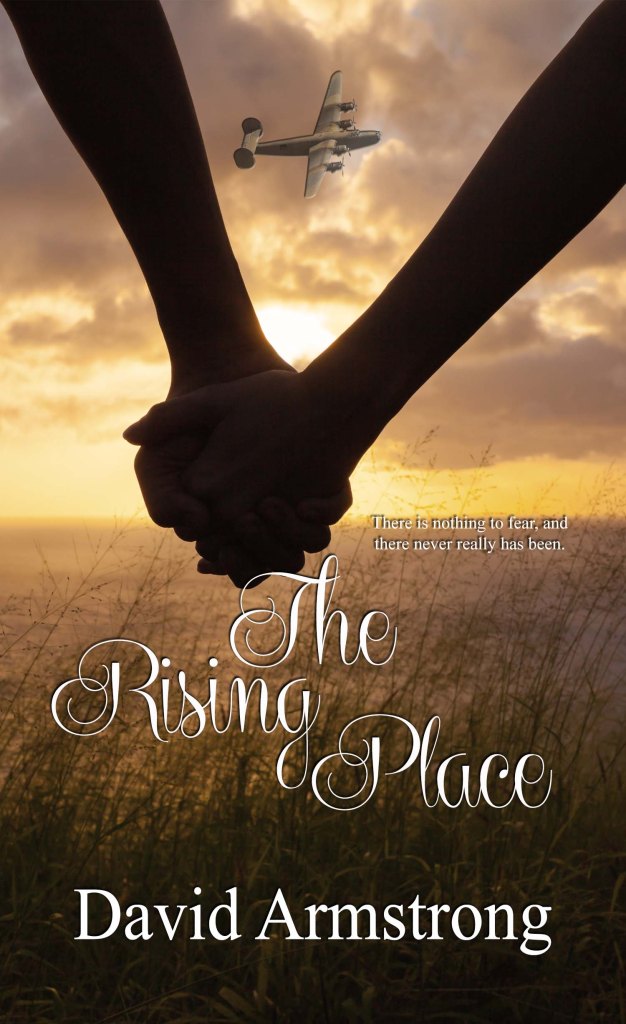
About the Book:
The Rising Place is based on an interesting premise: What if you found a box of love letters, written during World War II by an old maid who had just died—would you read them? And what if you did and discovered an incredible story about unrequited love, betrayal, and murder that happened in a small, Southern town over seventy years ago? After a young attorney moves to Hamilton, Mississippi to practice law, one of his first cases is to draft a will for Emily Hodge. “Miss Emily” is a 75-year-old recluse who is shunned by Hamilton society, but the lawyer is intrigued by her and doesn’t understand why this charming lady lives such a solitary and seemingly forgotten life. When Emily later dies, the lawyer goes to her hospital room to retrieve her few possessions and bequeath them as she directed, and he finds an old sewing box full of letters in the back of one of her nightstand drawers. He takes the letters back to his law office and reads them, and he soon discovers why Emily Hodge lived and died alone, though definitely not forgotten by those whose lives she touched.
About the Author:
David Armstrong was born and raised in Natchez, Mississippi. He is an attorney, former mayor, and former candidate for the U.S. Congress. The Rising Place is David’s second novel. His third novel, The Third Gift, will be released this summer. David has also written four screenplays. He is the father of two grown sons and lives in Columbus, Mississippi, where he is the COO for the city of Columbus. His website iswww.therisingplace.com, and his novel is available on Amazon, as is the DVD of the film that was based on his book.
Welcome to Novel PASTimes! We are pleased you stopped by today.
Tell us something about where you live.
I live on what folks call Sourwood Mountain. You can look right hard, but it’s best to know it’s deep in the Smoky Mountains. Somewhere betwixt Gatlinburg and Chattanooga. It’s a beautiful mountain. I can lay on the ridge, stretch my arms upward, and scratch the clouds.
Is there anything special about your name? Why do you think you were given that name? Names mean ever thing in the mountains, be it a desire for a youngin or a hardship that followed the family. My Momma give me the name Worie. She was a worrier. I reckon she named me what she felt and the name carried a burden along with it, for I’ve done some worryin myself.
Do you have an occupation? What do you like or dislike about your work?
Early on I just worked with Momma to keep the homestead up but I always wanted to be a teacher. Momma taught me readin and cypherin and I’m right good at it. As I become of age, I saw a need – a need to care for the children on the mountain who’s folks died off from “the fever.” Lord have mercy, they was a slew of them. They needed care to keep them from becomin like animals tryin to survive. That become my lot in life.
Who are the special people in your life?
Eli and Bess, they was slaves that broke free and made their way into the mountains. And then there is Justice, my brother. And Pastor Jess. They was all like family to me, even when I didn’t want no family.
What is your heart’s deepest desire?
Lordy, Lordy, that’s a mountain to climb. I don’t desire nothin for myself, just to see these youngins grow up and make good men and women. That would please me. . .it would please Momma too.
What are you most afraid of?
I was and am most afraid of becoming what I take care of. Bein an orphan. Daddy died some years back and Momma passed a few years later. I never wanted to be an orphan, but here I was. An orphan carin for orphans. Funny how life takes a turn.
Do you have a cherished possession?
Momma’s jar filled with notes. They was penned for me and Justice and Calvin. Calvin never got to read them and that broke my heart. But them notes held all the answers that I needed to know and they was precious notes.
What do you expect the future will hold for you?
More youngins to care for. I never married but I reckon them youngins I raised will bring me grandbabies. Not by kin blood, but by the blood of my brow because I took them all in and made them my children. They’re a blessin and a curse.
What have you learned about yourself in the course of your story?
Well, I learned I was a bit more selfish than I thought. I tried to turn a deaf ear to the call I was hearin, but I reckon a body don’t argue with the Good Lord lest they plan on losin. I learned things wasn’t all about me and I could still have my dream to teach, just not in the way I figured. Lessons learned and lessons shared.
Is there anything else you’d like people to know about you?
Well, I am what I am. Ain’t got no secrets. Calls things the way I see em. But I’m as faithful as the hound layin on the front porch. If you need me, they ain’t no hesitating. I’ll be there.
Thanks for allowing us to get know you a little better!
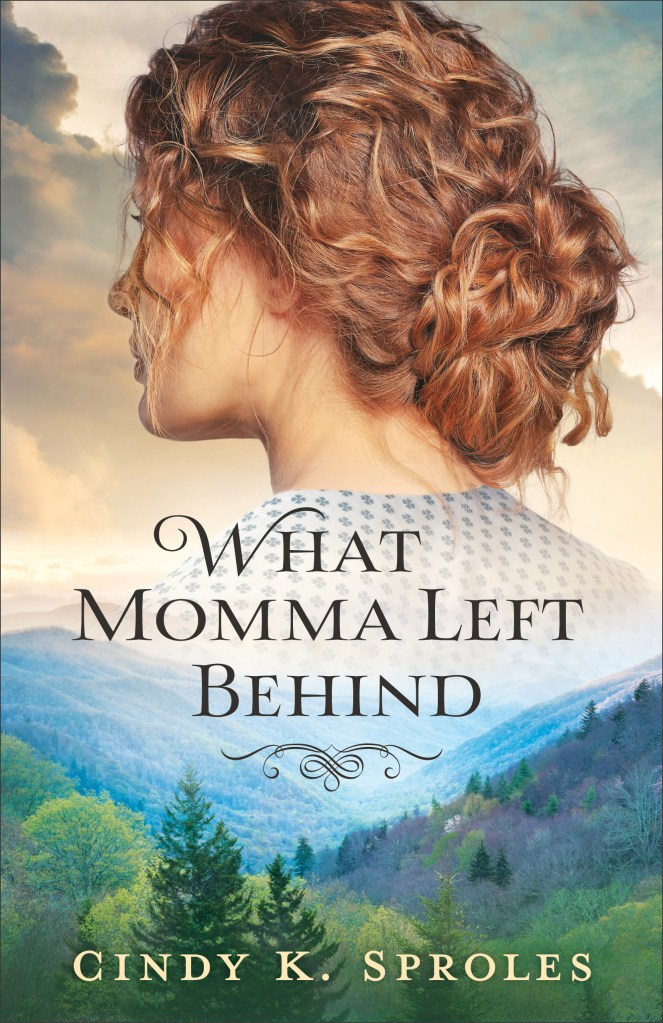
The Appalachian Mountain community of Sourwood, Tennessee, has been ravaged by death and disease, leaving many orphans behind. When Worie Dressar’s mother dies suddenly, Worie is inundated with orphaned children who keep showing up at her door. With barely any resources of her own, Worie must figure out how and why her mother was able to care for these little ones. As Worie fights to save her home from a good-for-nothing brother, she will discover the beauty of unconditional love and the power of forgiveness as she cares for all of Momma’s children.
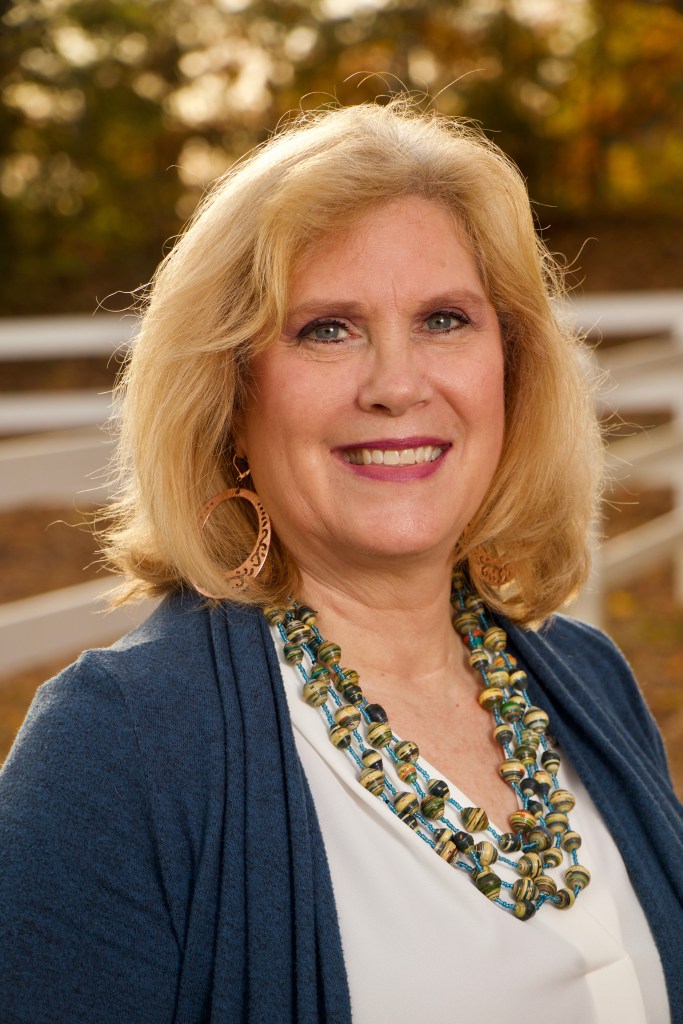
Cindy K. Sproles is the cofounder of Christian Devotions Ministries. An author, storyteller, and popular speaker, Cindy teaches at writers conferences across the country and directs the Asheville Christian Writers Conference in North Carolina. Editor of ChristianDevotions.us and managing editor for Straight Street Books and SonRise Devotionals, Cindy has a BA in business and journalism and lives in the mountains of East Tennessee with her family.
Welcome to Novel PASTimes! We are pleased you stopped by today.
Thank you. I’m honored that you thought to invite me.
Tell us something about where you live.
I live in the home my husband Norman and I purchased shortly after he returned home from the war in his hometown of LaFontaine, Michigan. It’s a nice place to live. Not too big, not too small. It’s just right.
If ever I need something that only a city could provide, I’m just a forty-five minute drive to Lansing in one direction and Detroit in the other.
Is there anything special about your name? Why do you think you were given that name?
I’m not sure that there really is anything special about the name Betty. I’m not an Elizabeth or a Bethany. Just plain old Betty. All my life, though, I’d longed for something a little more elegant or sophisticated. But no such luck.
At least when I married Norman I gained the last name Sweet, which I like very much.
Do you have an occupation? What do you like or dislike about your work?
Well, I’ve mostly just been a little housewife since I married Norm. Between you and me, I’m not especially good at it. That’s not to say that I keep a messy home. But I’d rather spend my time reading or writing or even sitting outside in the yard, enjoying the sunshine on my face.
Who are the special people in your life?
Oh, I am such a fortunate woman to have a family who loves me. Of course, it’s a family I married into, but as far as I’m concerned it still counts. I don’t know that I’d have anything close to this kind of joy without my darling Norman. He’s the only man I’ve ever loved and he has given me more in this life than I could have ever dreamed.
What is your heart’s deepest desire?
The deep desires of my heart have changed as I’ve grown older. I suppose that’s normal. When I was a young girl I wanted nothing more than the love of my parents. Then, as I teetered on the ledge between childhood and womanhood, I longed for the love of a husband. After I got married, I wanted so badly to have the love a child all my own.
It seems that my deepest desire — to be loved — has also grown in me a yearning to love others deeply.
What are you most afraid of?
Oh goodness. This is the kind of question that makes me feel a bit antsy. There are so many things in this life to fear. Aren’t there?
I suppose that my greatest fear is that something bad will happen to someone I love dearly. Even more than that, I fear that I wouldn’t be able to do anything for them. It’s the helplessness that frightens me.
Do you have a cherished possession?
Would you think me terribly superficial if I said that my pink and gunmetal gray Chevy Bel Air is my favorite possession? It’s pretty and shiny and I feel so sophisticated when I drive it around town. Does it help if I tell you that it was a gift from my Norman?
What do you expect the future will hold for you?
Isn’t it fun to daydream? That’s when I let myself wonder about what might happen in the future. Sometimes I imagine that the little stories I tell my nephews will end up in a book. Other days I picture myself working more and more at the family bakery. Still other times I dream of growing old in the house Norm and I have always loved, watching the sunset from my porch.
I don’t have big dreams. Not really. I guess that’s because the life I have is as much — if not better — than what I’d imagined as a child.
What have you learned about yourself in the course of your story?
I never considered myself a particularly strong person. That was always the part my sister Clara played. She was the determined one, the fighter. Clara the Conqueror, I like to call her.
But there are times when even a weak person is called on to show great strength. And in those moments, she does well to remember that her might isn’t her own. It comes from the Lord who is glad to have our burdens cast upon him.
If I’ve learned one thing, it’s that I am strong, but only through the power of my Father in heaven.
Thanks for allowing us to get know you a little better!
How very kind of you to have me!
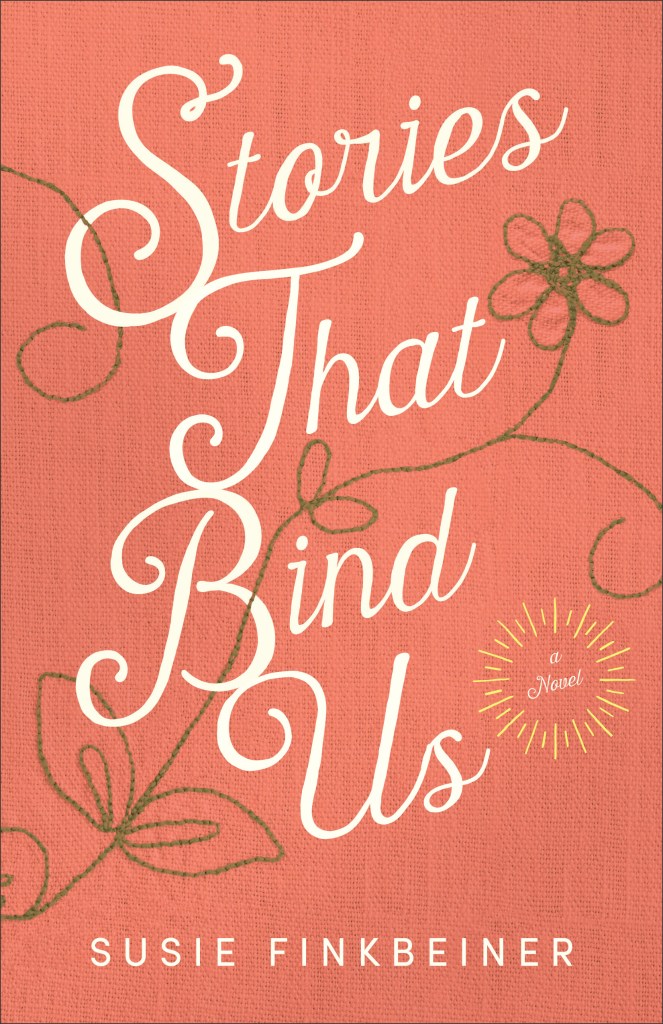
Betty Sweet is a pleasantly plump forty-year-old, but when this 1960s suburban woman loses her husband unexpectantly, she struggles to find her purpose in life. She can’t imagine what God has in mind when she finds herself the soul caretaker of a five-year-old nephew she never knew she had.
Betty and her nephew make an odd pair. But more powerful than what makes them different is what they share: the heartache of an empty space in their lives. As Betty and Hugo struggle through their grief and the difficulties that life can bring, they slowly learn to trust one another as they discover hope and commonality through the magic of storytelling.
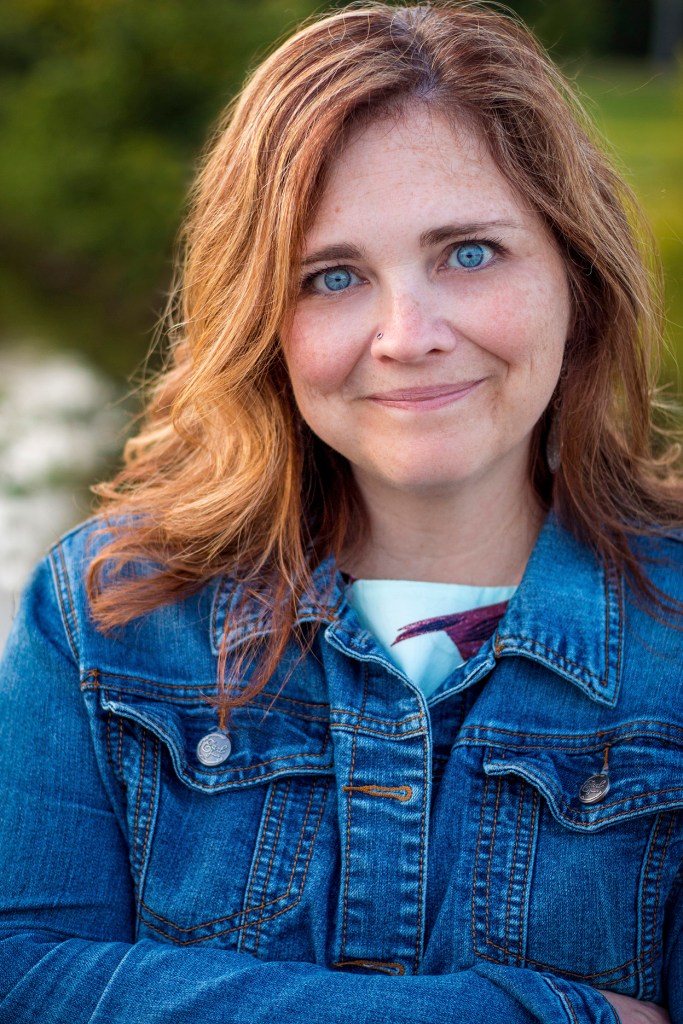
Susie Finkbeiner is the CBA bestselling author of All Manner of Things, as well as A Cup of Dust, A Trail of Crumbs, and A Song of Home. She serves on the Fiction Readers Summit planning committee, volunteers her time at Ada Bible Church in Grand Rapids, Michigan, and speaks at retreats and women’s events across the country. Susie and her husband have three children and live in West Michigan.
NPT: Welcome to Novel PASTimes! We are pleased you stopped by today.
AURORA: Thank you! I’m always happy to talk. About anything.
NPT: All right. Then let’s start with your beautiful name. Why do you think you were given that name? Does it mean anything special?
AURORA: Well, in mythology, Aurora was the goddess of the dawn, announcing the arrival of the sun. My sisters tease me by calling me the “Princess of Rainbows” because I’m a bit of an optimist. All right, I’m a lot of an optimist. They also call me “Pete,” for unknown reasons. Maybe it’s easier to pronounce than Aurora.
NPT: Tell us something about where you live.
AURORA: I live on the outskirts of Tupelo, Mississippi, at Daughtry House Hotel, which I own with my two sisters. Daughtry House was once our family plantation, Ithaca, until the War Between the States took both our parents, leaving us floundering for a way to support ourselves. Turning the Big House into a hotel was my oldest sister Selah’s idea. We hired former slaves to help renovate and staff the place, and it has been a thrilling enterprise. Some of our neighbors still think we’re crazy—in fact, we’ve fought off attacks by local and out-of-state racists.
NPT: Tell us how you view your sisters. We’ve interviewed them both, with mixed results. Selah was unforthcoming, even cryptic. Joelle was a bit more communicative, though we got the impression she’s uncomfortable with attention.
AURORA: Both those assessments are accurate. Selah is used to being in charge, and can come across as bossy and protective. She recently got married to a Pinkerton agent named Levi Riggins, whom I absolutely adore. Our middle sister, Joelle, is now engaged to our business partner, Schuyler Beaumont. I don’t like to brag, but my sisters can thank me for facilitating their romances. Neither one is very socially adept. I, on the other hand, was reared by my grandmother to be a gentlewoman and hostess, as my mother was before the war destroyed everything.
NPT: I imagine social skills come in useful in the running of a hotel.
AURORA: Indeed they do. But I’m not just a giddy belle. Growing up in a a doctor’s household in Memphis, a city under Union occupation, prepared me for the hard cold realities of life. Some people don’t take me nearly seriously enough.
NPT: That is an intriguing remark. Are you thinking of some particular person who treats you lightly?
AURORA: Well, there is a certain federal lawman who has come to Tupelo to assist in the trial of local Klan terrorists. Deputy Marshal Sager seems to be under the impression that I’m some fragile Southern flower who can’t defend or think for herself. I’m working on disabusing him of that notion.
NPT: Oh really?
AURORA: Yes. It’s not his fault. Once he gets to know me better, he’ll realize how much he needs a steady feminine influence in his life. Like I told him—brains and creativity, not hardware!
NPT: It sounds like a fairly combustible situation. What do you expect the future will hold for you and the Deputy Marshal?
AURORA: Zane seems to worry about some bad man he crossed during the war coming after me. And he can’t believe I can overlook a minor physical deformity like a missing eye covered by a very intriguing patch. But I know a hero when I see one. And I believe God has got miraculous things in store for both Zane and me. Mark my words.
NPT: Miss Aurora, you seem to be a young lady of remarkable courage and faith. Either that, or you are in for a very rude awakening. Or possibly both. Thanks for allowing us to get know you a little better, and we wish you and Deputy Marshal Sager all the best.
AURORA: Wait a minute, what did you mean by—
NPT: I’m sorry, but we’re out of time. Perhaps you’ll stop by and let us know how things turn out. If you survive.
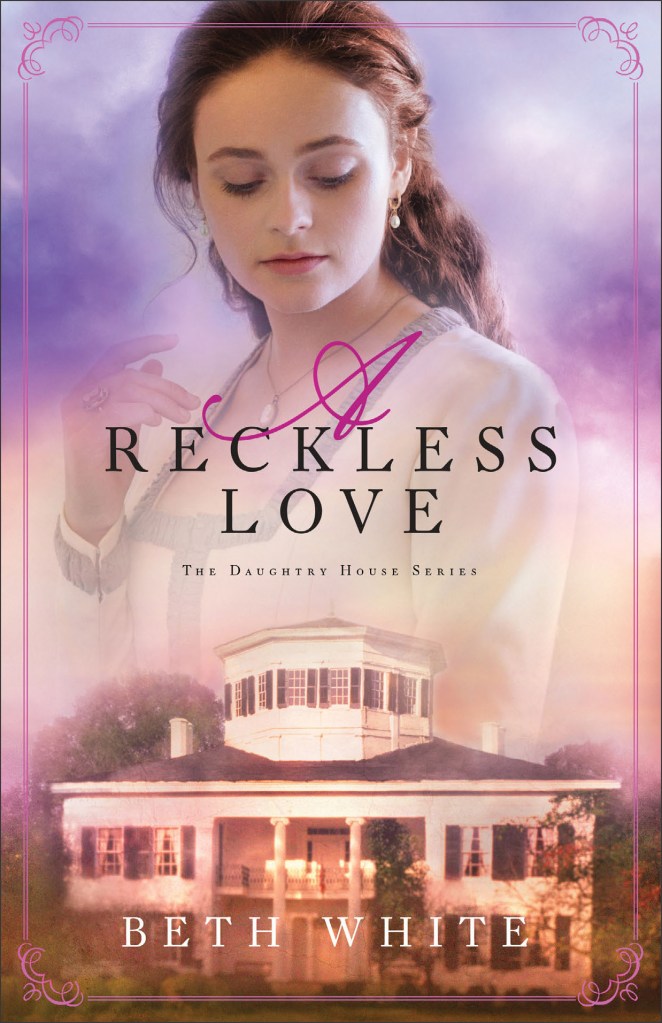
Beth White’s day job is teaching music at an inner-city high school in historic Mobile, Alabama. A native Mississippian, she writes historical romance with a Southern drawl and is the author of The Pelican Bride, The Creole Princess, The Magnolia Duchess, and A Rebel Heart, and A Reluctant Belle. Her novels have won the American Christian Fiction Writers Carol Award, the RT Book Club Reviewers’ Choice Award, and the Inspirational Reader’s Choice Award. Learn more at www.bethwhite.net.