
On July 2, 1839, illegally captured Africans aboard the slave ship Amistad bound for Cuba escaped their bonds. They killed Captain Ferrer and one of the crew members. Two other crew members either escaped or were thrown overboard. The two remaining crew members were forced by the Africans to sail back to Africa.
Except they didn’t. They sailed east during the day but turned the ship back to the west at night. After two months of this see-sawing across the Atlantic, the ship was spotted by U.S. Navy Brig USS Washington. Escorted to New London, Connecticut, the two crew members were freed, and the Africans were imprisoned pending a hearing.
The importation of slaves had been illegal in the States since 1807. Northern Abolitionists came to the defense of these displaced Africans, demanding that they be given free transport back to their homeland. President Martin Van Buren was against this and favored sending the Africans on to Cuba, who was demanding their return. He appealed two lower court rulings on the matter.
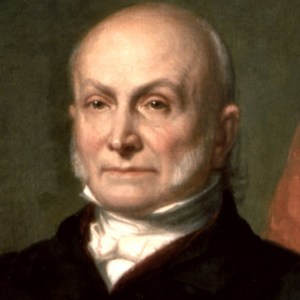
The case when all the way to the U.S. Supreme Court. Former president John Quincy Adams joined the Africans’ defense team. On March 9, 1841, the court ruled that the Africans had been illegally taken from their homeland and exercised their natural right to fight for their freedom. They were returned to West Africa where some founded a Christian mission at Sierra Leone.
 Pegg Thomas – Writing History with a Touch of Humor
Managing Editor for Smitten Historical Romance, Lighthouse Publishing of the Carolinas
Find Pegg on Facebook and Amazon



 Known for his purchase of Alaska, an unpopular event in its time, William Seward was also a major player behind the scenes during the Civil War.
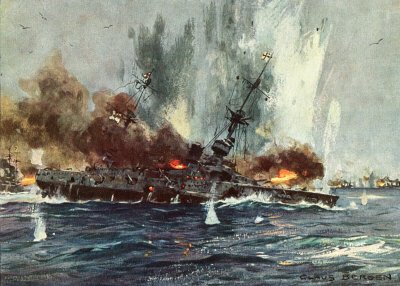 World War I has become a popular era for historical fiction novels.
 I’d love to tell you that I can pronounce friggatriskaidekaphobia, but let’s be real. At least I know it means fear of Friday the 13th. Since we’re a history blog, let’s look at why this date is so vilified – and has been for centuries.
 Novel PASTimes