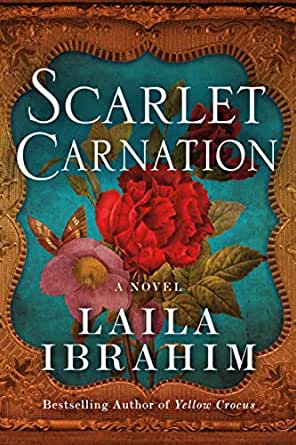
Interview with Evan Sinclair from Wages of Empire by Michael J. Cooper

book cover

Having run away from home in the summer of 1914 to join the Great War for Civilization, 16-year-old Evan Sinclair managed to cross the country by train, the Atlantic by steamer, and having crossed through France into occupied Belgium, he found himself with the Flemish resistance in the dangerous mission of flooding the lowlandsโ€”a singular act that stopped the Germans from reaching the northern ports and turned the tide of the war. Having played a key role in that critical mission, Evan was badly wounded and spent some weeks in a field hospital in northern France. Discharged from hospital, he and other recovering wounded soldiers are being sent back to England by hospital ship.


Ten minutes out of Calais and bound for Dover, theย HMHS Austriumย pitched on the Chanel swells onย a cold morning in late November. Sixteen-year-old Evan Sinclair stowed his gear on theย upper berth of a cramped cabin, and grasping the worn handrail, headed up the narrow steel stairwell to the shipโ€™s deck. He stepped to the side as a deckhand descended the stairs and asked, โ€œYโ€™know where I might find Evan Sinclair?โ€

โ€œRight here. Thatโ€™s me.โ€

The man handed him a piece of paper. โ€œThis just arrived for you.โ€

In the half-light he could make out the words. 

NOVEL PASTIMES WISHES TO INTERVIEW EVAN SINCLAIR PLEASE RESPOND

Evan frowned and thought, โ€œWhat the hell does that mean? Then he called out to the deckhand who had begun climbing back up the steps. โ€œHey! They want me to respond. How am I supposed to do that?โ€

โ€œAt the wireless office. Come with me.โ€

Evan followed the deck hand up the stairs and soon found himself on the bridge. There the deckhand nodded at a closed door.

Pushing it open, Evan saw a young man reading as he reclined, feet up on a low desk between a typewriter and a burnished brass telegraphy set. Looking up from his copy of Argosy All-Story Magazine, he asked, โ€œAre you Evan Sinclair?โ€ 

โ€œYes.โ€ He held up the paper. โ€œI believe this came from you. What do you make of it?โ€

The young man shrugged. โ€œThey want to interview you.โ€

โ€œAbout what?โ€

โ€œIf youโ€™d like, we can find out right now.โ€ The telegraph operator sat forward and readied his hand over the key-type transmitter. โ€œShall we?โ€

โ€œDo you have time for that?โ€

โ€œFor now, I do. Thereโ€™s nothing in the queue, and theyโ€™re waiting for your response at the destination station in Londonโ€”โ€

โ€œLondon? Isnโ€™t that too far away?โ€

โ€œNot at allโ€”we can transmit wireless over twice that distance.โ€

โ€œHow?โ€

โ€œMorse code by radio waves. Do you want to do this or not?โ€

โ€œSure,โ€ he said and watched as the operator began tapping the brass key. Once he stopped, Evan asked, โ€œWhat did you transmit?โ€

โ€œI told them that Evan Sinclair is standing by for the interview with Novel PASTimes.โ€ The operator moved his headphones up from his neck to his ears and reached out to bring the typewriter forward. โ€œTheyโ€™ll get back to us soon enough and Iโ€™ll type out the responses for youโ€”โ€ 

Before he finished speaking, Evan could hear the shrill staccato of the Morse code from the operatorโ€™s earphones. As he began typing, Evan leaned down and read the message.

WELCOME HOME HOW DOES IT FEEL TO BE A HERO

         A hero? he thought. Are they referring to what I did to help flood the polders? Evan said nothing for a few seconds while the images flashed through his headโ€”the bright moon over the lowlands, the partisans exposed by the sluice gate, the German machinegun from within the protecting nest of sandbags, firing and firing, smoke from the gun rising in the air, desperate and failed attempts by the partisans to silence it, with pistol, with grenade. He remembered crawling over smooth stones in the mud, trying to reach the dark shelter of the poplars, there the foliage blocked out the moonlight and he was able to stand and hurl smooth stones with his sling into the machinegun nest, again and again, drawing their attention away from the partisans at the sluice gate. And, finally, moonlight shining on rising water as the polders floodedโ€”

         The telegraph operator cleared his throat. โ€œDo you want to reply?โ€

         Evan nodded. โ€œTell them โ€“ Iโ€™m not sure what they mean.โ€

         The operator tapped out the message, and the reply came quickly, and the young man typed it out.

FLOODING POLDERS KEPT GERMANS FROM TAKING NORTHERN PORTS AND WINNING THE WAR NOW THEY WONT NOT NOW NOT EVER

He knew that was true. The key to a quick German victory was to seize the port cities of northern France and Belgium. But slowed and stopped with the flooding of the lowlands, their progress had ground to a halt. And everyone knew that without a quick victory, Germany would have none. And though the subsequent trench warfare was horrific and grinding, it contained Germany and drew out the war, and a longer war would end in Germanyโ€™s defeat.  

Which is why I left home to join the Great War for Civilization, he thought. To make a difference. And I did

He spoke a shortened version of those thoughts to the operator who tapped them out into the wireless radio waves bound for London. After a few minutes the next question came.

THERES TALK OF YOU RECEIVING THE VC

 The Victoria Cross? Evan shook his head in disbelief. Britainโ€™s most prestigious decoration? Theyโ€™d give it to me for throwing rocks at Germans? The ones who really deserve a medal are the Flemish partisans who died at the sluice gate, the ones who actually flooded the poldersโ€”Emile Peeters and Hendrik Geeraert.

Evan proceeded to dictate these thoughts to the operator who tapped them out. Evan made sure that he got the spelling of their names right.

After a few minutes the next question came, the shrillness of the code less jarring as Evan was getting used to it. He read the typed transcription.

WHAT DO YOU PLAN TO DO ONCE YOU GET BACK TO ENGLAND

Before speaking, Evan considered how to reply. Iโ€™m pretty sure my dad left Utah to look for me in England. Heโ€™s probably back nowโ€”at our old house in Oxford. I definitely want to spend some time with himโ€”to mend fences after the way I ran off. And once Iโ€™m fit for service I want to get back to the fight, that is, if the war is still going on. But not on the Western Frontโ€”Iโ€™ll ask for them to send me to Cairo. 

         Dictating these thoughts to the operator, Evan hoped that his father might hear the news before he arrived at the front door in Oxford. As he waited for the tapping to stop, his thoughts turned to a beautiful young nurse he had met while hospitalized in France. Iโ€™d really like to get back there for a quick visitโ€”to see her againโ€”

         โ€œUh-oh!โ€ the operator cut into his thoughts. โ€œIโ€™ve got someone in the queue now. Iโ€™ve got to sign out with NOVEL PASTimes, and take this.โ€

         โ€œNo problem. Iโ€™m glad weโ€™re done,โ€ Evan said as he watched the operator hunch over listening as he typed out the incoming message.

GERMAN U BOATS SIGHTED IN CHANNEL BEGIN EVASIVE MANEUVERS

Evanโ€™s breath caught as the operator grabbed the message and ran out to the bridge, yelling for the captain.


Wireless Telegraphy Communication between ship and shore was by Morse code, as it was for conventional telegraphy. The equipment only transmitted messages for about 300 miles in daylight, although that figure doubled or tripled after dark thanks to the refraction of long-wave radiation in the ionosphere. The wireless operators sending these messages were independent young men of the modern age who had been recruited with the promise of escaping “blind alley careers”. They chatted to wireless operators in other ships in a jaunty, mock public school slang, calling each other “old man”.


Michael J. Cooperย emigrated to Israel in 1966 and lived in Jerusalem during the last year the city was divided between Israel and Jordan. He graduated from Tel Aviv University Medical School, and after a 40-year career as a pediatric cardiologist in Northern California, he continues to do volunteer missions serving Palestinian children who lack access to care. His historical fiction novels include โ€œFoxes in the Vineyard,โ€ set in 1948 Jerusalem, which won the 2011 Indie Publishing Contest grand prize, and โ€œThe Rabbiโ€™s Knight,โ€ set in the Holy Land in 1290. โ€œWages of Empireโ€ won the 2022 CIBA Rossetti Award for YA fiction along with first- place honors for the 2022 CIBA Hemingway award for wartime historical fiction. He lives in Northern California with his wife and a spoiled-rotten cat. Three adult children occasionally drop by. Learn more atย michaeljcooper.net.ย 

Book Review: The Ways We Hide by Kristina McMorris

Amazon affiliate link used.
Following this link earns a little for the blog but does not cost you more.

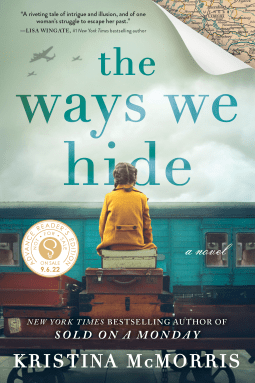
The Ways We Hide by Kristina McMorris

Pub Dateย 06 Sep 2022ย  SOURCEBOOKS Landmark

The Ways We Hide features the protagonist Ida Vos, a woman we first meet as a magician, having designed and created illusions for the stage in the early 1940s. This alone is interesting but as we get to know her we learn that she carries with her a sense of loneliness and independence due to bringing raised in an orphanage after her alcoholic father dies. Prior to his death she experienced a trauma that only the young boy, Arie, who suffered it with her understands. She ends up living with his family. As she grows up Arie is her stability and the two of them practice magic tricks together.

Without giving away too much, I’ll tell you that they are separated and then during the war their paths cross again in London. He is in intelligence, and she’s been recruited to help develop tools that can be hidden to help Allied Forces, maps, knives, and all sorts of things a soldier behind enemy lines might need.

Ida ends up pushing herself into a mission that she thinks will help save Arie in Nazi occupied Holland. Nothing ends up as she imagined. Ida is confronted with the horrors of war and she and Arie must save a young girl who lives with a Nazi officer but who has Jewish roots that may soon be discovered. How Ida manages to overcome the trauma from her childhood that still haunts her, danger from being discovered by the Nazis, her natural distrust of strangers that she now must depend upon (the Dutch resistance during WWII was incredible and deserves attention), grief that continues to find her, together make for a thrilling tale that once I got halfway through the book kept me intrigued as though I watched it unfold on a screen.

The author does a superb job with descriptions and characterizations. Her notes at the end are not to be missed as so much is explained and examined. An incredible amount of research was put into this novel and it shines because of that effort. I thoroughly enjoyed this one and recommend it to all who enjoy historical fiction.

I received an advance complimentary copy of the novel from the publisher through NetGalley without obligation of any review.

Reviewed by Cindy Thomson, http://www.cindyswriting.com

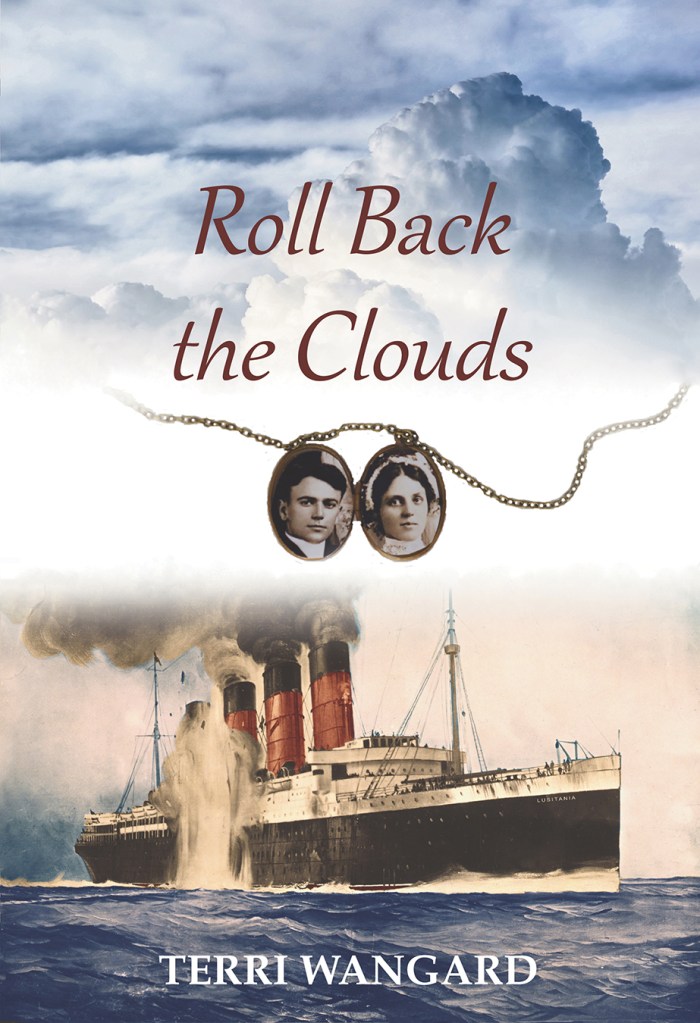
Meet Rosaleen Bonnard from Roll Back the Clouds by Terri Vanguard

Our guest today is Rosaleen Bonnard, a survivor of the tragic sinking of theย Lusitaniaย last May. She was traveling with her husband, Geoff, who was badly injured in the disaster. Tell us, Mrs. Bonnard, how is he doing?

He is so much better, thank you. Every day we walk, sometimes for as long as an hour. Weโ€™re frequently interrupted though. Since Geoff collaborated with our neighbor Peter Bloch, a reporter for the Sentinel, heโ€™s well recognized and folks seem to think that having touched the war, heโ€™s now an expert on the fighting in Europe and theyโ€™re always asking for his insights.

How did you meet your husband?

We were classmates at school and he invited me to attend an ice cream social at church. When I told my mother heโ€™d asked, she quizzed me about him. I told her it was just ice cream, and she said, โ€œYes, and your father and I met at a church ice cream social.โ€ After that night, I knew I would marry him.

The Cunard Line upgraded you from second class to first, is that right? [Rosaleen nods.] What was that like for you?

At first, I was thrilled. We had a beautiful stateroom with a window. Oh, excuse me, a porthole. That was special. And we had access to the Saloon Writing Room and Library and the Saloon Lounge and Music Room. They were exquisite. The two-tiered first-class dining room was a gorgeous setting to eat in, but I must admit, I would have been more at ease in second class. I didnโ€™t feel comfortable with the first-class passengers. Even the food was unfamiliar. I had two new dresses for the journey, all so pretty, but I definitely didnโ€™t have the elegant wardrobe possessed by the other first-class ladies.

Did you go shopping specifically for your voyage?

Oh, yes. My oldest and youngest sisters went shopping with me at Gimbels. I found two beautiful gowns. My grandmother gave me $10, and that made it possible to buy both fancy dresses. Plus a traveling outfit, a couple of new skirts and blouses, shoes, hats. Had I known weโ€™d be in first class, goodness, I donโ€™t know what I would have done. The ladies in first class wear a different gown to dinner every night. I couldnโ€™t have afforded so many gowns. And now my lovely new wardrobe is on the bottom of the ocean.

Did you note much panic after the ship was torpedoed?

At first, everyone was stunned. After hearing all week about the likelihood of being attacked, when it actually happened, it was hard to believe. The sudden listing to starboard was alarming. It made walking difficult, especially on the stairs. When the power failed and people were trapped in the fancy grillwork elevator, they started screaming. We knew theyโ€™d drown. The scene at the lifeboats was so chaotic, watching some spill out their passengers or drop down on other lifeboats. It was scary. The ship sank in eighteen minutes, less time than it takes to bake a cake. So many people were still aboard when it sank. I suspect they thought theyโ€™d have more time, or that help would come from Ireland. We could see Ireland; it was that close.

What was it like in the lifeboat?

Numbing. We sat on hard wooden benches. The emergency rations were inadequate and too old. We dearly wanted more water, fresh water. We pulled in as many survivors from the sea as possible, and they were so cold. This happened in May, you know. Here daffodils and tulips are blooming; the days are warming. But in Milwaukee, of course, itโ€™s cooler by the lake. There, we were out on the ocean. It was cold. Many people, if they hadnโ€™t drowned, died from hypothermia. We saw them lose their grip on whatever they clung to and slip under the water. And all this time, I didnโ€™t know what had happened to Geoff.

You didnโ€™t make it to England, but Ireland. With an Irish mother, wasnโ€™t that a treat?

Definitely. Mumโ€™s family lived not far from Queenstown. I traveled by train to meet them. My grandparents, aunts and uncles, cousins. I couldnโ€™t keep all the names straight. I thought about Mum the whole time, how she would love to be there. Two cousins took me to see the Cliffs of Moher. And then, Granda decided he and Nana would come visit after the war. I couldnโ€™t wait to tell Mum.

As 1916 dawns, what are you looking forward to?

The war continues in what seems like a stalemate. We hope it doesnโ€™t pull in the United States. Geoff and I both have brothers who would be affected. In our own home, weโ€™re busy decorating a nursery.

Congratulations! And thank you for joining us today.


Terri Wangard grew up in Green Bay, Wisconsin, during the Lombardi Glory Years. Her first Girl Scout badge was the Writer. These days she is writing historical fiction, and won the 2013 historical First Impressions, as well as being a 2012 Genesis finalist. Holder of a bachelorโ€™s degree in history and a masterโ€™s degree in library science, she lives in Wisconsin. For twenty years, she globe-trotted during annual vacations to four continents. Her day job is withย Classic Boatingย Magazine, a family business since 1984.

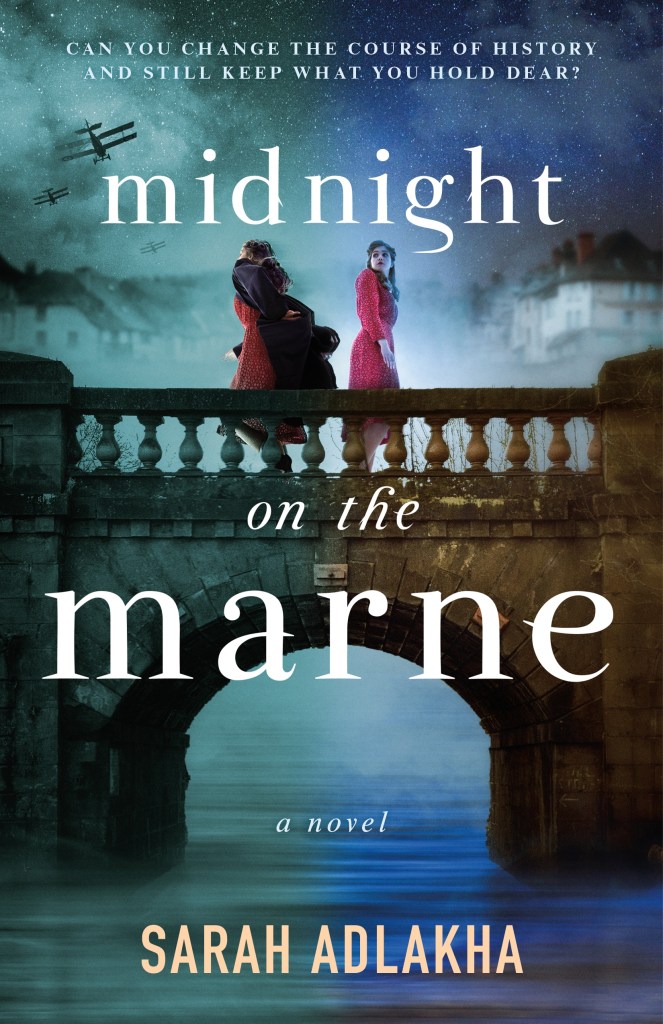
An Interview with Marcelle Marchand from Midnight on the Marne by Sarah Adlakha

Bonsoir, Mademoiselle Marchand. Thank you for agreeing to this interview. I know you do so at great risk to your safety.

Of course. People need to know what is happening here in France so close to the front. Four years of German occupation is too long. And thank you for meeting me after dark. This city has eyes everywhere.

I havenโ€™t seen many women in the streets this close to the front. Is there a reason you havenโ€™t fled to Paris with the rest of the refugees?

My duty is with the Croix-Rouge franรงaise as a nurse. And I already fled to Paris in 1914 with my family โ€“ my maman and papa and my twin sister Rosalie โ€“ after the Germans bombed my hometown of Soissons four years ago. Paris had no use for me. Or my sister. We have been here with the troops for the past two years, and we will not abandon the men now in their hour of need. The Germans will be making a move to cross the Marne River soon, theyโ€™ll be pushing toward Paris within the week. I am certain of it.

Is this common knowledge or is this information you gleaned from your other line of work?

I believe this is common knowledge. Butโ€ฆwellโ€ฆletโ€™s just say I have my sources to verify the accuracy of this information.

Can you share with us some specifics about the work you do with a certain British unit stationed here at the front? And the nickname โ€“ or is it a codename โ€“ that theyโ€™ve given to you?

I have been working with British Intelligence for about a year now. I am fluent in German which has been particularly useful with prisoner interrogations. I cannot share my codename with you, but I imagine it is the nickname that the Germans have given to me that is of more interest to you. Even my sister has heard about la sorciรจre de la riviรจre, although she has no idea that I am that woman. She would not approve of my espionage work, and I imagine she would have me packing and returning to our parents in Paris if she found out about it.

Iโ€™m sorry, but I donโ€™t speak French. Could you translate la sorciรจre de la riviรจre for me?

Of course. In German, La sorciรจre de la riviรจre is die Hexe des Flusses. But in English, I would be known as The Witch of the River. I guess you could say that my interrogation tactics are effective. I have been told that German officers are to take their own lives if capture is imminent so they will not have to face me. And they all assume I am a witch sinceโ€ฆwell, how could a woman so small and unassuming as myself possibly outsmart a man? Especially the brilliant and courageous men of the Kaiser Reich?

You are a very brave woman indeed, Mademoiselle Marchand. Iโ€™m not sure I could stand up under the pressure of interrogating a German officer.

They bleed just like us, monsieur. They fear for their lives and tremble at the inevitability of death. When their uniforms are removed, they are no different than the men on our side of the river. Most of them just want to go home. And speaking of going home, I must get a message delivered so I can get home to my sister before she starts wondering where I am. Take care of yourself, monsieur. The Germans will be occupying these streets by this time next week, so you would be wise to follow the rest of the refugees to Paris.

And what about you? When will you be retreating?

That is a complicated question. There are other forces keeping me here besides my sister and the troops. There is a manโ€ฆwell, letโ€™s just say that sometimes the past wraps itself around your life and snakes its way into the present sending you on a course you never imagined possible.


Purchase the book:

Amazon

Macmillan

indiebound

Barnes and Noble

Sarah Adlakha is a native of Chicago who now lives along the Mississippi Gulf Coast with her husband, three daughters, two horses, and one dog. She started writing fiction shortly after retiring from her psychiatry practice. Her debut novel,ย She Wouldnโ€™t Change a Thing, was a CNN most anticipated book of 2021.ย Midnight on the Marneย is her second novel.

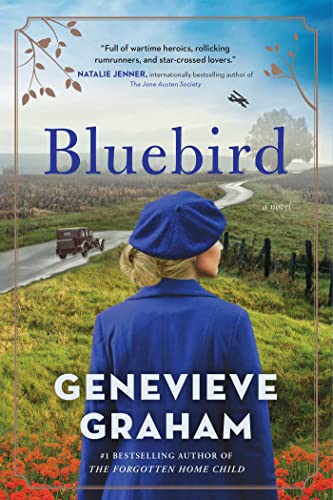
Book Review: Bluebird by Genevieve Graham

ย Simon & Schuster (April 5, 2022)

This novel opens in WWI with Adele Savard, a nurse from Canada, who is treating injured soldiers. She meets Corporal Jeremiah Bailey of the 1st Canadian Tunnelling Company and they make an immediate connection. They are both from the same town. Adele and her fellow nursing sisters are nicknamed Bluebirds from the color of their uniforms, thus the title of the book. Jerry goes back to the front and they aren’t sure they’ll see each other again, but they hope to. After the war Jerry and his brother return home to discover their parents have died from Spanish Flu. It’s Prohibition and everyone in town, including Jerry’s late father, have been making money rumrunning. Adele works for a local doctor and she and Jerry reunite after he saves her from his devious rival, a man he has a history with since childhood.

Their romance is tender and sweet, and best of all in my opinion, it is not rushed. They form a friendship that blooms with time.

The story contains a present day thread in which a young woman named Cassie is a historian who used to live in the Bailey House but lost her mother there in an accident. When the current owner finds bottles of whiskey hidden in the walls of the house, the two work to unfold the mystery, which is part of Cassie’s family history. I love family history connections!

I found the modern thread to be brief and while interesting, not too well developed. However, the story of Adele and Jerry is compelling and I love a book that teaches me history I wasn’t aware of. The rumrunning in Windsor, Canada was linked to the US due to its proximity to the border across the Detroit River and the fact that Prohibition ended in Canada long before it did in the US. (The author’s note at the end is not to be missed!)

The story is gritty at times, but just enough to draw you into the story. It involves two bloody periods in history after all. The ending is quite intense, but the conclusion unveils hope and illustrates how those who lived it endured and continued to live their lives. Those who love history, like all of our readers on this blog, will enjoy this one.

I received an advance copy from the publisher for the purpose of review and all opinions are my own.

Reviewed by Cindy Thomson

www.cindyswriting.com

Laila Ibrahim interviews her characters from Scarlet Carnation

Laila: Iโ€™m so glad we get to continue our conversation from Women Writers, Women’s Books.

Naomi: Us too!

Laila: Many readers have noticed that the time you lived in parallels current times because there was such an upheaval during World War 1, and the 1918 flu pandemic.

May:  Oh, dear! Did you say World War 1? Does that mean there are more?

Laila: Oh my goodness! Iโ€™m so sorry to give away information about your future. Yes, there is another great war that impacts so much of the world; the second one included Asia, North Africa and what we now call Oceana and you called Australia.

Naomi: Will we never learn how to live as one people in peace and with justice?

Laila: My understanding is that fewer people die from warfare, hunger, and disease than ever before in human history. So in some ways we have learned to live with more peace and more justice. But we are far from a goal to have 100% peace and 100% justice.

May: Until this moment I thought Iโ€™d like to know about the future, to better prepare, but suddenly I see the disadvantage.

Naomi: If we are honest with ourselves we always know there will be difficult times ahead. Whether those challenges are personal or societal, to be human we must face change, loss and uncertainty.

Laila: Do either of you have any wisdom about adapting?

May: I can pass on the best wisdom from my grandmother. She said we humans are all more like the wizard behind the curtain in the Wizard of Oz, pretending we know what we are doing. She always told me to take the time to listen to my still small voiceโ€”she says it’s the spirit of God. 

Naomi: Be kind. To yourself and to everyone around you. Kindness does not cost you anything. If you canโ€™t be kind, take a nap.

Laila: Sometimes I fear that I come across as too serious or only focusing on the painful. What do you do to be in touch with the joy of life?

Naomi:  Being with a baby or little one always raises my spirits. Itโ€™s hard to believe this life isnโ€™t a blessing when you are around the wonder and joy of a small child.

May: Each day I look for something beautiful to be grateful for: a flower, my children, the delicious taste of a peach. This life really is a wonder.

Laila: Now you have given away the futureโ€ฆyou have more than one child?

May: Yes I do. But I wonโ€™t share more than that. You might just have to write another book to find out what happens to us.

Laila: I think you are right about that.

About the book:

In an early twentieth-century America roiling with racial injustice, class divides, and WWI, two women fight for their dreams in a galvanizing novel by the bestselling author of Golden Poppies.

ย May and Naomi are extended family, their grandmothersโ€™ lives inseparably entwined on a Virginia plantation in the volatile time leading up to the Civil War. For both women, the twentieth century promises social transformation and equal opportunity.

May, a young white woman, is on the brink of achieving the independent life sheโ€™s dreamed of since childhood. Naomi, a nurse, mother, and leader of the NAACP, has fulfilled her own dearest desire: buying a home for her family. But they both are about to learn that dreams can be destroyed in an instant. Mayโ€™s future is upended, and she is forced to rely once again on her mother. Meanwhile, the white-majority neighborhood into which Naomi has moved is organizing against her while her sons are away fighting for their country.

ย In the tumult of a changing nation, these two womenโ€•whose grandmothers survived the Civil Warโ€•support each otherโ€™s quest for liberation and dignity. Both find the strength to confront injustice and the faith to thrive on their chosen paths.


Author information:

Laila Ibrahim is the bestselling author of Golden Poppies, Paper Wife, Mustard Seed, and Yellow Crocus. She spent much of her career as a preschool director, a birth doula, and a religious educator. That work, coupled with her education in developmental psychology and attachment theory, provided ample fodder for her novels.

Sheโ€™s a devout Unitarian Universalist, determined to do her part to add a little more love and justice to our beautiful and painful world. She lives with her wonderful wife, Rinda, and two other families in a small cohousing community in Berkeley, California. Her young adult children are her pride and joy.

Laila is blessed to be working full-time as a novelist. When she isnโ€™t writing, she likes to take walks with friends, do jigsaw puzzles, play games, work in the garden, travel, cook, and eat all kinds of delicious food. Visit the author at www.lailaibrahim.com.

Book Review: Last Christmas in Paris: A Novel of World War I by Hazel Gaynor and Heather Webb

Published October 2017 by William Morrow Paperbacks

34150794. sy475
Affiliate link used. If you purchase through the link, I will receive a small kickback but it won’t cost you any more.

This story, told mostly as an epistolary novel, was so well done and so touching that I was completely engrossed by the characters of Evie and Thomas as they corresponded throughout the war. The letters are filled with humor and fun banter between childhood friends and as the war progresses they turn more serious at times and deep with soul-searching thoughts and ideas and finally with desperation. Sprinkled throughout we see the elderly Thomas in 1968, obviously without Evie but it isn’t until the end we understand why he’s come back to Paris to read all the letters they had exchanged plus a new one he doesn’t open until he finishes the wartime letters. The description of the agonies the characters endured plus their hopes and dreams feels so real as I imagine they were, although not usually spoken, for those who lived through those times.

I can imagine these two authors, quite successful as solo novelists, took on particular characters as the voices are as distinct as they would be with real people, and that is the strength of this novel, in my opinion. It’s a love story, but not just a love story. It’s filled with history, as we who love to read historical fiction look forward to when we open a book.

Highly recommended!

—Reviewed by Cindy Thomson

Meet Bess Crawford from Charles Todd’s A Forgotten Place

Thanks for joining us!

41GH+Si0kELPeople have described you as independent, steadfast, intelligent, and resilient. You always seem to find a patient who needs your help and you never turn your back on them, even if it means risking your life. You are a nurse who will not back down from a situation or a mystery.ย  But you also have scars from being on the front lines and seeing so many men maimed and killed during this Great War.

Elise Cooper: Why did you choose to become a nurse?ย 

ย 

Bess Crawford:ย After my father retired from the army we went back to England. Then war came.ย Of course,ย I couldnโ€™t marchย offย with the regiment to France, however much it meant to me. The next best thing was to be aย nursing Sister, and save as many of the wounded as I could.ย Unfortunately,ย some of those we saved had to go back into the line and were killed. But we did what we could, and I believe we made their dying easier even when we couldnโ€™t make them well.ย  It was difficult, not an easy task, there on the front lines. I saw some terrible things, and sometimes I dream about them. But I have no regrets. And I am so grateful to my parents for letting me train for the Queen Alexandraโ€™s. They could have said no, but they understood why I felt I must do this.


EC: Do you think WWI brought more power to women, as many took on professions?ย 

ย 

BC:ย The answer must be no.ย  We didnโ€™t achieve any power at all, not really. It was always made clear that we were replacing men who were needed in the field.ย Even the nurses knew that many Army officers were appalled at the thought of women so close to the Front, and theyโ€™d have been just as happy to have orderlies take over our work. The fact that we were trained to deal with wounds didnโ€™t enter into it. We wereย women.ย  Iโ€™ve heard that some of the Australian nurses in Egypt were denied resources, to force them to give up. They didnโ€™t, of course, but it was a rough patch, and it was the patients who suffered.ย  However, I think we showed our country that we could pull our weight when England was in danger, and she didnโ€™t collapse from our mismanagement. (Bess smiles.)

We grew vegetables, we took over desks where men could be spared, we worked in factories and drove omnibusesโ€”and we did it all well. That was what mattered. And after the war, some women will beย allowed to vote,ย if the Governmentย keeps its promise to the Suffragettes. There will be restrictions, Iโ€™m sure, and I probably shanโ€™t be old enough.ย  Nor do I own property or stand as head of a household.ย Still, itย will be a beginning.ย Although some menย will go on claimingย we arenโ€™tย emotionallyย capable of wise decisions. I ask you!


EC: When the War is finally over would you like to be a detective?ย 

ย 

BC:(Laughing.)ย  I donโ€™t think so. Heavens, no.ย  I did what I had to do, out of duty and a sense of what was right.ย  But my cousin, Melinda Trent, also a soldierโ€™s daughter, tells me that trouble always knows where to find me.ย  (Laughter fades.) That could be true. I was part of a regiment, however small a part that was. And I expect that will shape my life for a long time. When someone is in very great trouble, how do you shake your head and just walk away?ย  The Army never runs. How could I?


EC: How has your dad influenced you?ย 

ย 

BC:ย We call him Colonel Sahib, which is what the native soldiers called him. Itโ€™s a term of respect, rather like Colonel Sir.ย He was such a good officer, and theย Armyย called him back during the war to do certain missions and deal with certain mattersโ€”my mother and I never knew whatย these were.ย But he continues to serve in any way he can. And thatโ€™s good, because heโ€™s wise and experienced and level-headed. I have always admired and loved him, and I can speak to him on any subject, and he listens to me and gives me his honest opinion. He dealt with a regiment and he still found time for a small daughter.


EC:ย  Do you think he admired you for serving during WWI?

ย 

BC:Although heโ€™s never said it, I think he was very proud of what I did in the war. Even though he must have been terrified for me there in the forward aid stations, he gave me permission to go. He didnโ€™t want me to have my own motorcar, either, but he just shook his head and accepted it when I drove up.


EC: How has your mom influenced you?ย 

ย 

BC:ย My motherโ€™s rather exceptional too!ย  As the Colonelโ€™s Lady, she had a good deal of responsibility toward the wives and children of the men in our regiment, and she took that quite seriously.ย  Sheโ€™s the daughter of a country squire, well-educated, brought up with great marriage prospects because there was money in the family. And then she fell in love with a handsome Army officer, and my poor grandparents were appalled!ย  But they had the good sense to see that it was really love, not just the uniform, and they agreed to the marriage. She insisted I learn toย play the piano, draw,ย sew and cook and run a household, while I was more interested in riding and other exciting things.ย ย And I am so glad she did, because even wild little girls grow up to be women. Sheโ€™s warm-hearted, sensible, calm in emergencies, a good tennis player, and I love her more than I can say.ย  She married a man with responsibilities, grave ones, and sheโ€™s given him the support and love he needed to be his best. I hope I can do the sameย oneย day.


EC: How come you have not had any intimate relationships?ย 

ย 

BC:(Laughing).ย  This isย earlyย 1919, Elise, nice women donโ€™t have โ€œintimate relationships.โ€ And I respect my parents too much to be anything but the woman they want me to be. Iโ€™ve had so many friends, many of them men because of my upbringing, and I enjoy working with them and talking to them. I didnโ€™t expect Sergeant Lassiter to propose, you know.


EC:ย  Why didnโ€™t you accept it?

ย 

BC:That was such a terrible moment, because I knew he meant his proposal, and I wasnโ€™t ready to fall in love. Well, I couldnโ€™t, could I? Iโ€™d have been dismissed from the Queen Alexandraโ€™s. And this was my work, my duty–Iโ€™d taken it on and I wanted to keep serving as long as the wounded needed care. Several of my friends, including my flat mate, Diana, had to keep an engagement secret for several years, or lose her own place. I didnโ€™t feel I could do that. I tried to let him down as gently as I could, but thatโ€™s painfulย all the same.


EC: How would you describe Simon and your interactions?ย 

ย 

BC:ย (Smiling.)ย  Simon is Simon.ย  He lied about his age, you know. Tall and strong as he was, he got away with it, but he was just a wild boy. He exasperated my father, but the Colonel Sahib could see beyond the wildness, and he knew what Simon could be capable of.ย  He took him under his wing, made him a man, and he asked him to go back to England to train as an officer, but Simon refused.ย  I think my father knows something about him that my mother and I donโ€™t, because he never insisted on Simon going back. My mother did something for Simon out in India that he owes her for. Something rather serious, I think, but I donโ€™t know about that either. And itโ€™s Simonโ€™s secret, not mine. Heโ€™s become the son my father never had. And thatโ€™s precious to me.


EC:ย  So do you consider him a brother?

ย 

BC:Simon is also the brother I never had, in and out of my life since India, since I was small. (Looking away.) Iโ€™m terribly fond of him.ย ย And heโ€™s been such a rockโ€ฆ


EC: What effect has the war had on you?ย 

ย 

BC:ย There was fighting out in India, wounds, men dying, trouble with the tribes along the Frontier with Afghanistan.ย We saw that and I thought Iโ€™d seen war. But the Great War was so much worse. And I was grown, a nurse. No one spared me the bad news, as they tried to do in India when I wasย small.ย  I have nightmares, as Iโ€™ve mentioned. And I have had to learn to put my emotions aside and try to help a patient, no matter how terrible his wound might be.ย  A nurse must remain calm, no matter what. And the discipline I learned in India, where it could be so dangerous, and the discipline I learned in nursing, to be objective and sensible, have helped.ย  I hope some of what Iโ€™ve seen will fade with time. One day Iโ€™ll want to marry, have children, and I donโ€™t want them to see the shadows of war in me.ย  My mother is a good model thereโ€”she never let me feel threatened or afraid of anything, even when she was most worried about my father out in the field in India.


EC: From your viewpoint what effect has the war had on the fighting men?ย 

ย 

BC:ย Of course,ย there are the dead, so many, many of them.ย  And the missing. Many men were taken prisoner during the fighting too. This is never good for morale, butย they were all so brave, the men I worked with.ย  You know, they didnโ€™t fear death as much as they didย losingย a limb or being terribly disfiguredโ€”burns, facial wounds,ย uglyย scars. I have worked with so many amputees and burnย victims, and I have sometimes seenย them break.ย Especially when they realize they canโ€™t support their family. The last thing they want is to be a burden.ย Even now since the war is over, weโ€™veย lost too many to depression. I find it so sad.


EC:ย  There are emotional wounds?

ย 

BC:ย  These are the other wounds you donโ€™t see. Of the mind. Shell shock. People who donโ€™t know anything about war call that cowardice. I know too well that it is the shock of losing so many men in too short a time.ย  The officers felt this most particularly.ย  New recruits wouldย arrive,ย and before anyone could learn more than their names, they were killed. And an officer had to send men back over the top even whenย heย knewย it was useless to try again. There were the men caught in shell blasts, who died without a mark on them. Others deafened or shocked senseless by the tunnels going up.ย  I was so proud of our Army. But when a battle lasts for months, as it did on the Somme, men will break. Some will be stronger afterward, though.ย  I have seen that too.


EC: What have you learned about yourself after serving in the War?ย 

ย 

BC:ย I went into nursing with great hopes of saving lives. I had to learn that one canโ€™t save them all, no matter how skilled the doctors and nurses might be. I had to learnย how to sit beside a dying manย and keep his spirits up to the end, with smiles and a brave front.ย ย I had to face German soldiers taking over my aid station and keep calm, keep my patients safe.ย  I had to watch over them in ambulances being fired upon from the air, or crossing countryside where there were no roads and my patients suffered. Iโ€™ve crossed seas whereย U-boats were waiting, and knew that if we went down, I might not survive, but none of my patients had a chance. Iโ€™ve had other problems to cope with, of course, helping people in various ways. Iโ€™ve learned to be braver than I thought I could be, but I try never to be foolish.ย Still,ย I hate injustice, I hate to see people being hurt or taken advantage of. I always have. The war hasnโ€™t changed that.


EC: If you could travel anywhere in the world where would you want to go considering you have been to many places?ย 

ย 

BC:ย Iโ€™ve had an invitation to a wedding in Ireland!ย  A nurse Iย servedย with onย Britannic. The ship sank, but we survived.ย  Iโ€™m so happy for her.ย ย First,ย I must go back to France for a few weeks. Matron has something she wants me to help her to do there. And I want to go back to India. Melinda Crawford, my cousin, would like me to travel with her when itโ€™s safe to go. We want Simon to come with us. Heโ€™s reluctant to return to India. But Melinda will persuade him, I think. And my parents would feel happier if we werenโ€™t traveling so far alone.ย  Melinda was a heroine in the Great Indian Mutiny. Imagine that. Sheโ€™s traveled everywhere. Iโ€™d like to see South Africa. Perhaps Canada or America. So much of the world is unsettled now, so perhaps I shall have to be patient. (Smiles.)ย Or I might marry and never travel at all. Who knows?


EC: What do you do to relax?ย 


BC:ย I used to ride quite often in India. Horses didnโ€™t fare well in Africa, with the tsetse flies and other diseases, and so I didnโ€™t learn to ride until I was in India. I enjoy a fast game of tennis. I enjoy reading. I hadย a very good governess who made readingย exciting.ย My father taught me to play chess, too.ย As a child, I liked putting up fruits and jams with my mother and our cook, but my favorite thing was helping make our Christmas Puddings.ย  And eating them too, of course.ย (Smiles.) I love to drive my own motorcar but donโ€™t have many opportunities at present. Iโ€™ve driven Simonโ€™sโ€”itโ€™s larger and more powerful than mine, but I canย manageย it.ย Although the first time I turned the crank on that one, I thought my elbow would break!ย ย My mother drives as well. I enjoy parties, but we havenโ€™t had many since the war began. Iโ€™m quite a good dancer, and I rather enjoy that too. But so many of my dancing partners are dead now. So sad.


EC: If you had a crystal ball what would your life be like in five years?ย 

ย 

BC:ย Oh my!ย  In five years?ย  I shall surely have finished nursing. Unless there is another war, of course.ย  Married?ย  I shanโ€™t even be thirty by then. Before the war Iโ€™d be considered a spinster now! (Laughs.) Ah well. Perhaps someone will still wish to marry me. Simon tells me that Iโ€™m too stubborn. Well, he isnโ€™t married either, so there!


EC: What are your hopes and dreams?ย 

ย 

BC:For peace. Iโ€™ve seen enough death. Itโ€™s time the world learned to get along.


EC: Anything else you would like to say that has not been asked?ย 

ย 

BC:ย  Youโ€™ve been quite formidably thorough, you know. Iโ€™ve found myself thinking about things I havenโ€™t put into words even to myself.ย  I just got back from a most beautiful part of Wales. There were some rather awful things going on there, but some happiness came of that too.ย  Iโ€™m glad. Iโ€™ve been summoned to London to the Queen Alexandraโ€™s HQ to speak to Matron about an assignment in France. Theyโ€™re talkingย about Peace there, but they donโ€™t seem to be very friendly about it. I donโ€™t know just what Iโ€™m to do there, but Iโ€™ll find out in London.ย ย Wish me luck. But thereโ€™s the Irish wedding in June, thatโ€™s to look forward to. My parents are a little worried about Ireland, but I shall manage, After all, Iโ€™m an Army Nursing Sister. What harm could come to me in Ireland? I nursed Irish troops during the warโ€ฆ


BC:ย Thank you, Elise. Itโ€™s been a pleasure. (Laughs) I donโ€™t believe Iโ€™ve ever been interviewed before. Life is always full of unexpected things. And thereโ€™s Simon, arriving to drive me home. Heโ€™s amused by all this. I shanโ€™t hear the end of it, you know.

ย 

ย EC:Thank you for doing this, much appreciated!

***

Charles and Caroline Todd are a mother-and-son writing team who live on the east coast of the United States. Caroline has a BA in English Literature and History, and a Masters in International Relations. Charles has a BA in Communication Studies with an emphasis on Business Management, and a culinary arts degree that means he can boil more than water. Caroline has been married (to the same man) for umpteen years, and Charles is divorced.Charles Todd is theย New York Timesย bestselling author of the Inspector Ian Rutledge mysteries, the Bess Crawford mysteries, and two stand-alone novels.CharlesTodd_7861_retouched


WWI – Battle of the Falkland Islands

World War I has become a popular era for historical fiction novels. Smitten Historical Romance has one releasing in June titled Among the Poppies by J’nell Ciesielski. Watch for it!
WWI – The Great War – saw many changes in the way wars were fought with the introduction of airplanes, submarines, and the use of underwater mines. But on December 8, 1914, in the waters around the Falkland Islands off the tip of South America, the last old-fashioned naval battle was waged.

The Germans, fresh off an unexpected navalย victory off the coast of Chile where the British fleet received its first defeat in more than a century, approached the Falkland Islands intent on destroying the radio tower there to knock out Brittian’s communication in the South Atlantic.

What they didn’t know was that British reinforcements had arrived before them, re-coaled their ships, and were ready for battle. Instead of a few large, slowย British Dreadnoughts, the Germans faced the HMSย Inflexibleย and HMSย Invincible,ย  two swift battlecruisers.

In this final naval battle of just ship against ship, sailor against sailor, the Germans lost four warships and 2,000 sailors. The British lost only 10 sailors and saved their radio communication capability.

Pegg Thomas โ€“ Writing History with a Touch ofย Humor

Managing Editor for Smitten Historical Romance, Lighthouse Publishing of the Carolinas

Find Pegg onย Facebookย andย Amazon

ย ย