Meet Mira Covington from The Song of Sourwood by Ann H. Gabhart

Mira Dean is reconciled to her life as a spinster schoolteacher until preacher Gordon Covington shows up in town with an audacious marriage proposal. Following him to the mountains takes courage, but Mira will see that doors she thought closed forever may be opening after all.

Welcome to Novel PASTimes! We are pleased you stopped by today, Mira.

Thank you so much for having me. I love to talk about The Song of Sourwood Mountain. It is so incredible to have people interested in my story. 

Tell us something about this Sourwood Mountain.

You should come visit. It is the most beautiful place with the best people. There is a Sourwood Mountain, but most of the people live in the hollow. The people there would shake their heads at me saying hollow. They would definitely say they live in Sourwood Holler. I am what they call “brought in.” That is, not from that area. I went there from the big city of Louisville. That was quite a change for me. In Louisville I lived in some rented rooms in the upstairs of a brick house. In Sourwood I live in a log cabin like everyone else. We are surrounded by trees, and in the spring the rhododendron bushes cover the hillsides in blooms. Wildflowers pop up everywhere. Of course, the same as anywhere, everything isn’t all good there.

Wait. Maybe we should back up here and let you introduce yourself and let us know exactly why you went from Louisville to this Sourwood Mountain. 

Oh dear, I should have told you that first off. You have to understand I’m a little nervous talking about myself. My name is Mira Dean Covington. I’m a schoolteacher. Most women schoolteachers have to be unmarried. The administrators for the city schools think that is best so a woman’s thoughts won’t be divided between her family and her student. Anyway, whether you think that is sensible or not, I was resigned to being a spinster after my fiancé died a few years ago. 

But an old schoolmate came to my church to talk about his mission in the Eastern Kentucky Appalachian Mountains. He has established a church there and at the time, was hoping for contributions to help start a mission school as well. He needed a teacher, and before we had hardly said hello, he shocked me by saying the Lord had nudged him to ask me to be that teacher. I love teaching children, and when I thought about the poor children in those hills not having a way to learn to read, my heart was touched. Still, I might not have agreed to his outrageous plan – I hadn’t seen him for years – but I lost my teaching job and the rooms I was renting. It did feel as if the Lord was pushing me to be the Sourwood Mission schoolteacher. 

You say the place is beautiful, but somehow sourwood makes one wonder about that. Sourwood sounds unpleasant.

I suppose it does, but the name actually comes from a tree called sourwood that grows in the hills there. When they bloom, the trees are beautiful and the flowers have the most amazing scent. I know you would love the trees if you were to come to Sourwood Mountain in June when they are in bloom.

What do you like or dislike about being a teacher in Sourwood?

The children are what I love best about teaching. It’s wonderful when I see a child’s face light up when he or she suddenly understands something I’m teaching. I don’t like it when a child acts up or tries to bully another child. I make sure that doesn’t happen in my school, or at least I try to. Children, the same as any of us, are not perfect. They must learn proper behavior and good attitudes as well as arithmetic and reading.

Who are the special people in your life?

There are two children I do love more than the others. I try my best not to favor them over the others in the school room, but Joseph and Ada June are in and out of my house all the time. Joseph loves to be of help there and at the church. Ada June is a special little girl who lost her mother at a young age and has so wanted to be a true part of a family since then. She has the sweetest heart, and she has found a place in mine. 

What is your heart’s deepest desire?

Ever since I was a little girl, I wanted to have my own family. To marry and have children to love. And then the man I thought I would marry died of tuberculosis. I thought my dream was forever lost and that the children I taught would be the only children I would have to love. But sometimes the Lord opens a door you didn’t know was there and finds a way to give you the desires of your heart.

 Do you have a cherished possession?

I do. My mother had a ceramic blue bird that she treasured. Before she died, she gave it to me and told me to remember how much she loved me whenever I looked at it. It is on the mantel in my cabin in Sourwood. When I hold it, I somehow get courage to face whatever challenges come my way. I have to admit that I’ve held it so much over the years, that some of the ceramic feathers have lost a little of their blue. 

It’s so wonderful to see the blue birds in the mountains. One built a nest in a small hollow in the oak next to our school. Seeing them brings the happiness promised when you see a blue bird.  

What do you expect the future will hold for you?

I hope to teach for many years and learn more about my Sourwood neighbors. And that dream of having my own family may be in my future too. 

What have you learned about yourself in the course of your story?

Maybe what I have learned most about myself is that I should always trust the Lord and embrace the blessings He showers down on me and mine.

Is there anything else you’d like people to know about you?

Oh heavens, I think I have already told you more than anyone could ever want to know about me. I am simply so happy that the Lord opened the opportunity for me to teach the children in Sourwood. He aimed good for me and for that I am more than thankful.

Thanks for allowing us to get know you a little better!

Thank you for inviting me over to talk with you.


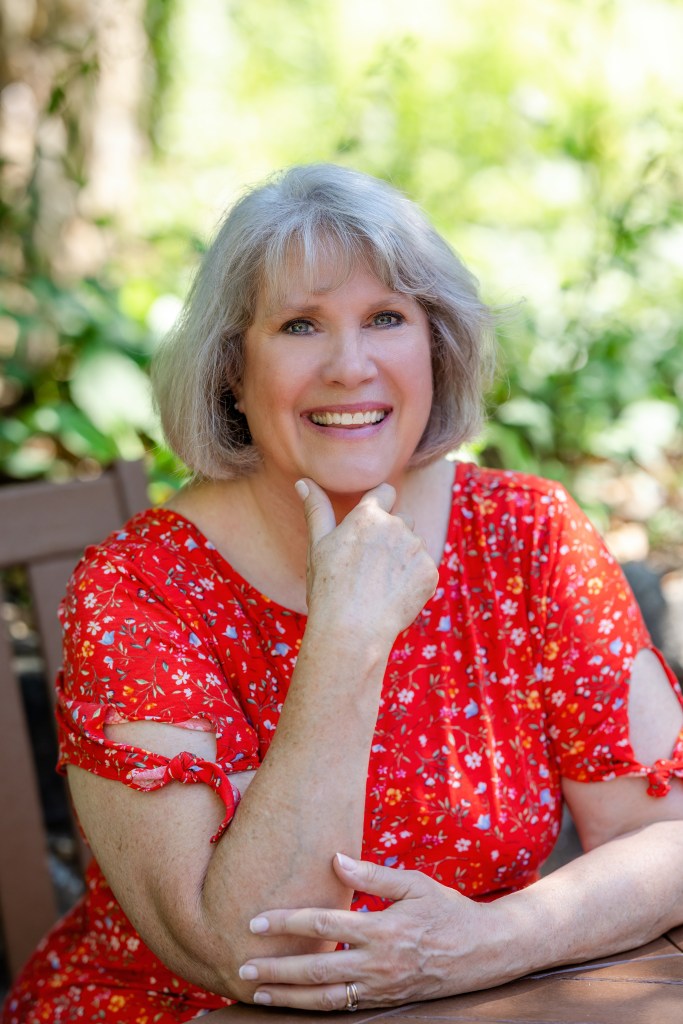
Ann H. Gabhart is the bestselling author of many novels, including
In the Shadow of the River, When the Meadow Blooms, Along a
Storied Trail, An Appalachian Summer, River to Redemption, These
Healing Hills,
and Angel Sister. She and her husband live on a farm
a mile from where she was born in rural Kentucky. Ann enjoys
discovering the everyday wonders of nature while hiking in her
farm’s fields and woods with her grandchildren and her dogs,
Frankie and Marley. Learn more at AnnHGabhart.com.

Introducing Harl Adams from The Rejected Mail-Order Bride by Greta Picklesimer

Amazon Affiliate Link used to benefit blog. Purchasing through this link will not cost you more. Thank you!

Name’s Harl Adams. I was born, raised and live in Harrisville, Kentucky in the southeastern part of the state. It’s pretty with rolling hills and mountains. I own and work the family apple orchard on our land. I enjoy the work. It keeps me occupied and helps keep my mind from thinking over things that happened and that I done in the war of the states. I’m not proud of what I done—killing men for the cause, but it’s what orders made me do. My father and me was on our way to sign up to enlist for the north when some renegade southern sympathizers cut him down. He took a bullet to the heart and dropped right there beside me. He was dead before he hit the dirt. I still have nightmares about it and headaches. I take each day as it comes and I don’t want to talk about that part of my life anymore. 

I live on the old homestead with my mother. She keeps an eye on me and me on her. She’s a sweet woman. She keeps hoping that when I marry I’ll settle down on the place with her. Marriage is the furthest thing on my mind. I haven’t been lucky in that way. Every time I find me a girl, she up and marries someone else. I’ve been in love twice in my life. One time to a girl I went to school with and one time to the new school teacher. Maybe the Lord don’t have marriage in the books for me. Then again I hope that ain’t the case. 

The other day I met a woman come down from Michigan to marry up with that town scoundrel, Cletus Tooth. She didn’t know what a scoundrel he was or she wouldn’t a come all this way. He took one look at her size and left her and her trunk standing on the train platform. Cletus threw her picture in the dirt at my feet as I was loading sacks of grain for the animals on the farm. He told me he left her there and didn’t want no part of her. So, I went over to the train depot and found her. Since she had come down on the last train for the day, I offered to buy her a room over at the hotel. She accepted. That night, we had us an ice storm to beat all ice storms. In the morning, she went out to check when the next train would be due, but fell and sprained her ankle. The doctor thought it would be best if she could recuperate with a family in the area is how mama and me got her to come stay with us. On the ride over to our place, she told me she doesn’t believe in God. I don’t know what to say about that. 

My deepest desire is to be married, but I think I need to keep on looking. This woman, Rose Henderson, ain’t no match for me lessen she turns her heart over to the Lord. I think the Lord’s got His job cut out for Him in that area. She’s a good woman and all once you get past all her lying and such, but being good don’t mean you’re saved.


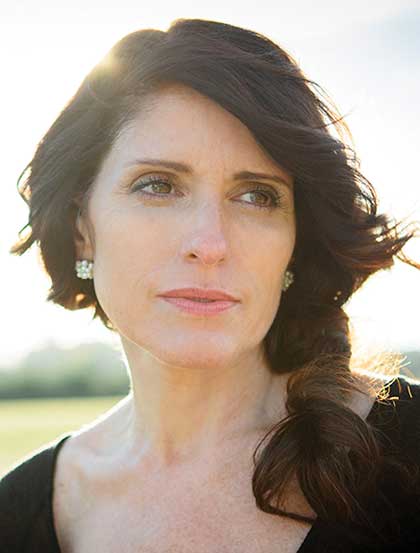
Author Greta Picklesimer is Michigan born and raised by Kentucky transplanted parents. Besides writing, Greta spends time working on her scrapbook/art journal, reading audiobooks and dreaming up her next novel. She is owned by one rescue cat by the name of Pearlie Blue who was named after one of her father’s favorite Bluegrass songs. Greta spent many happy summer vacations with her family visiting relatives in the hills of Kentucky. She was so impressed by those visits, that her books are set in Kentucky. By day, Greta works as an office assistant. At night, she writes.

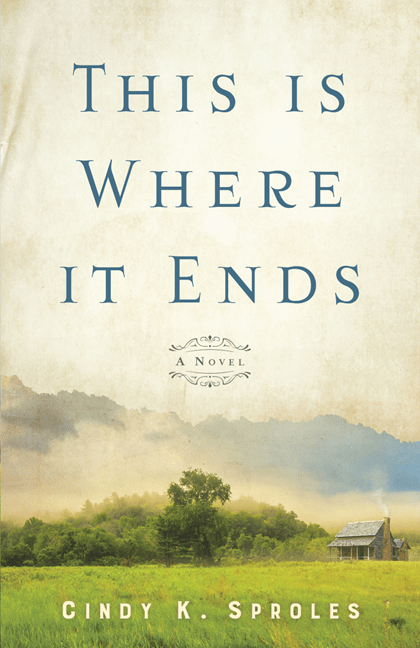
Meet Minerva Jane Jenkins from This is Where It Ends by Cindy K. Sproles

Widow Minerva Jenkins has lived alone in her small mountain home for 40 years where she has guarded her husband’s deathbed request. When a young reporter comes calling and inquires about a rumored box of gold on her property, an unlikely friendship forms. Will she go to her grave with her husband’s secret, or will the weight of it be the death of her?

My name is Minerva Jane Jenkins, and I reckon I’ve always been a force to be reckoned with. As we meet, in the spring of 1902, I have reached the ripe age of 94, and well, my days are numbered. I’ve lived on this mountain for the better part of my life. I can’t tell you why the good Lord opted to number my days to this length, and I sometimes spar that decision with Him. Still, the Lord knows what is best for us, and He’s seen fit to give me 94 years – even though they have been lonesome years, I’ve made do, and I’m happy.

About my family

Lordy, mercy, my family is long gone. Another reason I questioned the good Lord’s reasonin’ for leaving me here so long. I married Stately Jenkins when I was fifteen, and he was seventeen. He’d come from the war with a bummed-up leg and a sour attitude toward the north. But then, he was a true and faithful Confederate soldier. I lived in Lexington at the time, the daughter of a railroad laborer, so when I finished tenth grade, and they was no more school available, the timin’ was right for Stately to come into my life. We married, and he up and moved us to Shoal Mountain, six miles from the tiny town of Barbourville, Kentucky. I never saw my momma and daddy again, but that’s what happens when you marry and move away. I heard by way of a letter when daddy died and then by chance when momma passed. Lordy, I miss them to this day. Still, Stately built us a life on the side of a mountain overlooking the river, and though it was a beautiful place, I was never able to share it with children. I loved my husband, and I thought he loved me. After all, he married me and brought me to this mountain, not some floozy from Lexington.

What advice do you have to share about your 94 years?

Lawsy mercy, I suppose that would be the one thing that still nags me. The one question I’ve asked myself for years. How long does a body keep a promise, even if it’s detrimental? My momma told me once, don’t never make a promise you can’t keep. A promise is a person’s word, and your word is your integrity. She told me, don’t get loose-lipped and trust to tell when you’ve promised not to – and here I sit at 94 years old, holdin’ on to a promise, a secret I regretted making fifty years ago. See, Stately’s heart give out, and as I sat holding his dying body in my arms, he never said he loved me. Instead, he said, “Minerva, keep the secret. Promise me.” Before I had time to think it through like my momma told me, Stately grabbed my arm and shouted in his last breath, “Promise me!” And I did. It’s been a promise that has weighed me down for the remainder of my life. How long do you keep a promise? I’ve asked myself that question for over fifty years on this lonely mountain. Best I can determine is … you keep it to the grave. My advice – don’t make a promise you can’t keep. If you’re waiting for me to give out Stately’s secret, then it might just be until the death of you cause I’ll never utter a word. 

What would you say you are most afraid of?

Can’t say I’m rightly afraid of much. I’ve stared down that ole bear that lives up the holler – managed to draw a line in the dirt for the old cuss when I aimed my rifle at his rear and filled it with buckshot. He quit crossin’ over my line after that. This old woman ain’t got much, but I got smarts. Stately taught me farmin’ so can shoot a squirrel or rabbit. I’ve fished, raised myself a good garden, and stored away taters and green beans. I’ve ground my flour, made butter, traded for my sugar and salt, and cut years’ worth of wood for my fires, but if I was honest. If I was truly honest, my fear ain’t in dying. It’s in dying alone. Wouldn’t nary a soul know I’d passed on up here on this mountain. I’ll just drop dead one day and lay to the bone where I fell ’cause they ain’t a soul up here to bury me.

Is there anyone who has made a difference in your life?

I don’t have to think long on that question, for they’ve only come along in the last year. Oddly, what brought them into my life was that blessed old promise I made – Stately’s secret. The one I was bound to hold quiet by a promise. A young reporter, Delano Rankin, come up from Lexington looking for answers to a story he’d got wind of, one that said my Stately had a stash of gold and that he’d even murdered for the stash. My lips was sealed tight about anything Stately might have said or done, but the man kept hangin’ around. He did something a soul ain’t be able to do in fifty years. Del wormed his way into my heart, and in the few months I had with him, he grew to be like the child I’d never had. It took time for me to believe his intentions was true, but once I come to know his heart, I could see the good Lord had answered the one prayer I’d prayed since Stately died. “Don’t let me die alone.” Del was there. Then there was Robert Jr. and Cherry Blessing. I can only say, Robert Jr. was the spittin’ image of his daddy Robert, Sr. who helped me bury Stately. Robert and Cherry was balm for my soul, the comfort and peace that a good man and his wife could be as an old woman lay dying. Yes, they was the peace my soul needed.

Is there anything else you’d like to share with us that has brought meaning to your life?

I’d have to steal a few words from Del about that. And that is that wealth ain’t always found in a would-be box of gold. It’s found in the relationships we build with others. It’s found deep in the hearts of them “old people” that city folks call “elderly.” There’s a lifetime of experience, insight, and wisdom. There’s a gift of the story in their lives, and the fulfillment of a life well-lived. I’d have to say, spend time with them old coggers that you might consider troublesome or wearin’ on you because when you don’t, you’re passin’ up a wealth that money can’t bring. The gold is in lives of them old folks. Seek it out. Find it. You might just be surprised how your life is changed by knowin’ them.


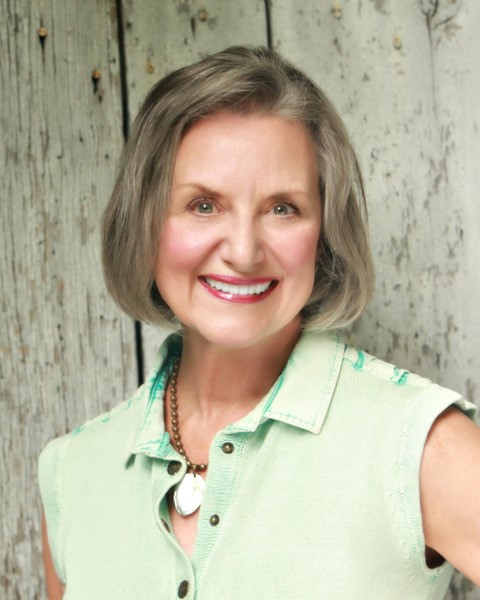
Cindy K. Sproles is an author, speaker, and conference teacher. Having served for several years as a managing editor for Lighthouse Publishing of the Carolinas and Ironstream Media. Cindy now works as a mentor, coach, and freelance editor. She co-founded Writing Right Author Mentoring Services with Lori Marett, and Cindy is the director of the Asheville Christian Writers Conference. Cindy is also the co-founder of Christian Devotions Ministries and www.christiandevotions.us, as well as www.inspireafire.com. Her devotions are in newspapers and magazines nationwide, and her novels have become award-winning best-selling works. She is a popular speaker at conferences and a natural encourager. Cindy is a mountain girl, born and raised in the Appalachian mountains, where she and her husband reside. She has raised four sons and now resorts to raising chickens where the pecking order is easier to manage. You can visit Cindy at www.cindysproles.com or www.wramsforwriters.com.

Introducing Grace Mockingbird from Cindy Morgan’s The Year of Jubilee

book cover image

My guest today for Novel PASTtimes is an exceptional young lady named Grace Mockingbird. Grace, thank you for agreeing to talk with me today.

You’re welcome.

Wow, Grace, don’t knock me over with enthusiasm (wink wink).

Oh, I’m sorry. I guess the truth is, I don’t always feel comfortable talking about myself.

Well, I think that’s perfectly understandable. Even though the teen years are way back in the rearview mirror for me, I remember it being a tricky time. 

Yes, you can say that again.

(Interviewer pauses for a sip of water… thinking, This is gonna be tougher than I thought.

So Grace, tell me a little bit about yourself—your interests, where you live.

Okay, well, I just turned fourteen. I live in Eastern Kentucky in a place called Jubilee. It’s a coal-mining town, but believe it or not, we have a nice little downtown area with a movie theater, a diner, and some nice shops on Main Street. I like to ride my bike downtown sometimes. As for my interests, I like to read fiction and sometimes poetry. I also like to journal and write poetry. 

Oh, I also love to read, Grace! Something we have in common. And how wonderful that you’re a writer! I know that lots of people who are creative find that writing can be a very therapeutic exercise for dealing with difficult experiences in life. I understand that this has been a tough summer for you and your family?

Yes, a very sad year. We lost my younger brother, Isaac.

I’m so sorry, Grace. I can’t imagine how difficult that must be.

Yes. Sometimes it’s surreal to think that he’s no longer here and that I can’t play with him in the backyard anymore. He had a pet rooster name Rojo that he loved. I can tell Rojo really misses him too. 

How old was Issac when he passed? 

Seven, almost eight. 

So young. (Interviewer pauses and takes a deep breath to calm her emotions) Grace, I practice a tradition of keeping the memories of those we have lost alive by sharing things about them that were special. Would you mind sharing the thing that you remember most about your brother? 

That’s a cool tradition. I think I remember his curiosity the most. He was extremely intelligent. Genius IQ actually. He read constantly. Anything he could get his hands on. He loved to learn. I really miss the conversations we used to have. Even though he was young, he was so wise for his age.

It sounds like you had a very special relationship with him. Thank you for sharing that special memory you have of him. Grace, I also hear that there are some very special things going on in the town of Jubilee that you live in. Could you share some of those things?

Yes, 1963 is a strange time to be living in our part of the world, obviously, with all of the marches that Dr. King has been leading for equality and integration. Many Southerners are not in favor of this. To tell you the truth, I hadn’t really thought very much about it until my English teacher, Miss Adams, challenged me and my other classmates to think outside of the traditions that we have been raised in.

She sounds like a really special teacher. 

She definitely is. She’s very different from the other people in Jubilee. My dad also likes to hear Dr. King speak. My Aunt June loves his preaching. But a lot of people in Jubilee are afraid of the changes that it might bring. 

Yes, people often like for things to stay the same. Grace, I was going to ask you about your last name, it’s very unusual. Can you tell me about its origin?

Yes, Mockingbird is from my dad’s Native American heritage. He’s very proud of it. His dad was Rowdy Mockingbird. He’s kind of infamous in this area. 

Well, with a name like that, I’m not surprised. (Takes another sip of water) Do you have other siblings?

Yes, my sister, Sissy. She’s sixteen and very bossy.

Oh my! I had one of those too. What are her interests?

Herself.

Ouch! I guess that’s a point for the little sis, eh? Grace, not to return you to a difficult topic, but how are your parents dealing with the loss of your brother?

I mean, that’s a pretty personal question for me to answer on my parents’ behalf, but I guess I think they’re trying to work through all of it the very best that they can. My aunt June says that beautiful things come from suffering. My mom cries a lot. She’s also creating a beautiful garden in his honor. She says she likes to have her hands in the dirt. She says something about it is healing.

Oh yes, I agree with that. 

My dad works a lot. There were so many hospital bills from Isaac’s treatment. Aunt June, she’s the bright spot. She tries to cheer us all up. We love having her around even though she’s a terrible cook.

Oh! Well, I’m not much of a chef myself. Grace, I’m glad Aunt June is there to encourage you. I also had a favorite aunt. Her name is Doris. She also lives in Kentucky.

Cool. 

Any last thoughts about what your family has been through? And speaking of Aunt June and the words of wisdom on beauty coming from suffering she shared with you, can you talk more about that?

Can I have a drink of your water first? My throat is so dry…

Oh, of course! (interviewer slides water glass across to Grace, who drinks every last drop of water)

Thanks! Okay…. I guess when I think about what my family has been through— losing Isaac has forced us to deal with things we had avoided for years. In some strange way it has brought us closer together. I also think it has given us more compassion for other people who are going through difficulties. 

Yes, Grace, if there is ever a silver lining in tragedy, it is that suffering can soften our hearts to be more sensitive to what other people are going through. 

Yes. Before, I only thought about myself, and my own worries and struggles. But now I think it’s easier for me to notice when other people are struggling too.

Grace, I want to thank you for being so transparent today and sharing these very special things with me and with our audience. I have a feeling we will be hearing more from you in the future. You keep reading those good books and writing poems in your journal. Maybe we’ll see one of them in print.

I certainly hope so. 

Thank you again, Grace Mockingbird, for sharing a little part of your journey with us today. 


The Mockingbird family has always lived peacefully in Jubilee, Kentucky, despite the divisions that mark their small town. Until the tense summer of 1963, when their youngest child, Isaac, falls gravely ill. Middle sister Grace, nearly fourteen, is determined to do whatever it takes to save her little brother. With her father and mother away at the hospital, Grace is left under the loving but inexperienced eye of her aunt June, with little to do but wait and worry. Inspired by a young teacher’s mission for change, she begins to flirt with danger—and with a gifted boy named Golden, who just might be the key to saving Isaac’s life. Then the unthinkable happens, and the world as she knows it shifts in ways she never could have imagined. Grace must decide what she believes amid the swirling, conflicting voices of those she loves the most.

 About the Author

Singer/songwriter Cindy Morgan is a two-time Grammy nominee, a thirteen-time Dove winner, and a recipient of the prestigious Songwriter of the Year trophy. An East Tennessee native, her evocative melodies and lyrics have mined the depths of life and love both in her own recording and through songwriting for noteworthy artists around the globe, including Vince Gill, India.Arie, Rascal Flatts, Amy Grant, Sandra McCracken, and Glen Campbell. Cindy is the author of two works of adult nonfiction—the memoir How Could I Ask for More: Stories of Blessings, Battles and Beauty (Worthy Inspired, 2015) and Barefoot on Barbed Wire: A Journey Out of Fear into Freedom (Harvest House Publishers, 2001)—and of the children’s picture book Dance Me, Daddy (ZonderKidz, 2009). The Year of Jubilee is her debut novel. Cindy is a cocreator of the charitable Hymns for Hunger Tour, which has raised awareness and resources for hunger relief organizations across the globe. Cindy has two daughters and splits her time between a small town near Nashville and Holly Springs, North Carolina, with her husband, Jonathan. For more information visit cindymorganmusic.com. 

Helpful links: 

Cindy’s website

Her Facebook

Her Twitter

Her Instagram

To order The Year of Jubilee

Meet Calla from Ann H. Gabhart’s new novel, When the Meadow Blooms

Welcome to Novel PASTimes, Calla! We are pleased you stopped by today.

I am so glad to be here to talk about what’s been happening in my life and that of my sister, Sienhttp://www.bakerpublishinggroup.com/books/when-the-meadow-blooms/399000/affiliatesna, and my mother, Rose. They said I should be the one to come talk to you since I’m the older sister at 15. Sienna is only nine. And too much talking sometimes is difficult for my mother, Rose, since she had tuberculosis.

So introduce yourself, dear. Is there anything special about your name? Why do you think you were given that name?

My name is Calla Rose Meadows, and yes, there is definitely something very special about my name. My second name is after my mother, Rose. Since her name is a flower, she wanted flower names for Sienna and me. She chose Calla for me because her mother loved calla lilies. She had some bulbs she dug up each fall and planted again in the spring. While I never saw them, Mama said the flowers were white and seemed to represent peace to her mother. When her mother died, Mama planted the bulbs on her grave. I like to imagine them still blooming there, but Mama says the bulbs wouldn’t have survived our cold Kentucky winters. But I can still imagine them there.

I’m so sorry to hear that your mother had tuberculosis. I’m sure that was a very difficult time for her and for you. Can you tell us about it?

Oh yes, it was terrible. Mama had to go to a sanitarium since the best treatment according to the doctors is fresh air, sunshine and good food. My father died during the flu epidemic in 1918 and we didn’t have any other family to take in Sienna and me while Mama was getting treatment there. I couldn’t take care of Sienna myself since I was only twelve when Mama got sick. So, Mama had to take us to an orphanage. She thought it would just be for a few weeks, maybe a couple of months, until she would be better and able to come back for us. But sadly, the treatment wasn’t that quick and we were at the Home for Girls for almost two years. That was very difficult for my sister. 

You sound as if that was only difficult for her and not you. Why is that?

Sienna has always been a little different. Mama says she simply thinks about things in unique ways. Sienna loves anything to do with nature–flowers, birds, animals. She even loves spiders and snakes. I cannot understand that. Anyway, while I had no trouble following the many rules of behavior in the orphanage, Sienna’s mind would wander to those spiders and birds. She would forget about the rules and constantly get in trouble. I hated it when I knew she was going to be punished, but I could never seem to keep it from happening.

Poor child. I am so sorry.

Well, things are better now. 

What made things better for you? Did your mother get well?

Mama says she will never be as healthy as she was before the tuberculosis. She did get well enough to leave the sanitarium but her doctor said she wouldn’t be well enough to work making hats as she did before. Without that income, we couldn’t rent a place to live. Something, perhaps the Lord’s nudging, made me remember that my father had a brother. While my uncle had long lived a reclusive life and I had never met him, I took a chance and wrote him. I begged him to let us come to his farm, Meadowland. I was that sure a farm with lots of fresh air and sunshine would be the perfect place for Mama and for Sienna too. Don’t you think a place called Meadowland would be like that?

It does make one think of blue skies and fields of flowers. So did you get to go and was it as nice as you imagined?

Yes, Uncle Dirk didn’t just send for us. He came to the orphanage himself. And Meadowland was even more beautiful than I had imagined. Wide fields. Butterflies and flowers. A river flowing past it. I could not have wished a better place for Sienna.

But weren’t you a little nervous going to live with an uncle you had never met? One who had been, as you said earlier, a reclusive person?

Maybe a little at first because of the way he looked. The scars on his face and all. But Sienna wasn’t bothered at all. At first sight, she surprised him with a hug as though she’d known him forever.

Scars?  Oh my. I think you need to tell me more about your uncle. 

When he was a young man he was badly burned in a barn fire. Mama said he would have probably died if my father, only fourteen at the time, hadn’t pulled him out of the fire. Uncle Dirk was trying to save his one true love, Anneliese. He believed she was in the barn. Mama says nobody thought he would survive except his mother who sent up many prayers for him while nursing him back to health. But Uncle Dirk has many scars from that battle.

Did he save Anneliese? 

It turned out she wasn’t in the barn. It’s a long story and one better told by Uncle Dirk. While I’ve always been very curious about it, Mama forbade me to ask my uncle anything about Anneliese. Don’t you just love that name? Anyway, all I know is that she disappeared and Uncle Dirk could never find her. I think his broken heart even more than his scarred face is what caused him to hide away from people on his farm.   

That does sound like a story worth hearing. 

Perhaps you can get the full story from him someday. I do know she was beautiful and Uncle Dirk loved her very much.

All right. Let’s think about you and your sister again. Tell me about Sienna.

 Oh, that’s much easier to answer. I would do anything for Sienna. She is such a special girl. Mama says she’s a pure soul. I’m not sure what that means exactly, but Sienna does have a loving heart for any and all living creatures. She wanted to make friends with a mouse while we were still at the Home for Girls and couldn’t wait to get to the farm to meet some farm mice. It turns out that mice are shyer than she thought. So, she made friends with some crows first. She even named them, and those crows were amazing. Almost as amazing as my little sister. 

She does sound like someone we would all like to get to know better. While I’m intrigued by all your troubles and adventures, it’s time to wrap up our interview. What is something you have wanted more than anything? 

A forever home. Even before Mama got sick and Sienna and I had to go to the Home for Girls, we continually had to move to cheaper rooms because Mama couldn’t make enough money making her hats. And then we had no home at all while we were separated from Mama. So we, all of us, dreamed of having a forever home together. We hoped Meadowland might be that, but then something happened to upset Uncle Dirk. Something I did and I thought I had ruined it all. And then there was a storm and… But I can’t tell it all. You’ll just have to read our story to find out what happened. 

We certainly want to do that to find out more about your story. Thanks for coming to talk to us, Calla, and sharing about your family and Meadowland. 


After a tragic fire and the loss of his one true love, Dirk Meadows has lived a reclusive life,
but when his late brother’s family needs a place to stay, he opens up his home even as he
intends to keep his heart closed. Rose has known much loss in her life, but the hardest thing
she ever had to do was leave her daughters at an orphanage while she is treated at a
tuberculosis sanatorium. So she is happy to accept Dirk’s offer of shelter once she is well
enough to reclaim her children. Calla and Sienna have difficult experiences at the orphanage
but feel rescued when they go to Meadowland, their uncle’s farm. Sienna, nine, has a special
feel for animals and birds. Her friendship with a couple of crows, who bring her gifts, cause
a crisis threatening the happiness Rose and her daughters have found at Meadowland. But
then the crows’ gifts open a door to the past to help Dirk find healing as he faces the truth
of what happened years before. His nieces’ love breaks through the shield around his heart
and opens him up to love again.


Ann H. Gabhart is the bestselling author of Along a Storied Trail,
An Appalachian Summer, River to Redemption, These Healing Hills, and
Angel Sister, along with several Shaker novels—The Refuge, The
Outsider, The Believer, The Seeker, The Blessed
, and The Gifted. She and
her husband live on a farm a mile from where she was born in
rural Kentucky. Ann enjoys discovering the everyday wonders of
nature while hiking in her farm’s fields and woods with her
grandchildren and her dogs, Frankie and Marley. Learn more at
www.annhgabhart.com.

A Chat with Geoffrey Hagan of Down to the Potter’s House by Annette Valentine

Taking us to the idyllic town of Elkton, Kentucky for a behind the scenes chat with Geoffrey Hagan of Down to the Potter’s House by Annette Valentine:

Mr. Hagan, it is certainly a pleasure to speak with you again about folks in Todd County. Last time we chatted, our conversation was mostly about your son, Simon. What can you tell us about his returning to his roots and how that might have changed him? 

Now that question brings me a smile and a mighty fine chuckle as well. You see, Simon met a young woman within days of his return to Elkton. Yessiree! Gracie Maxwell was a head-turner alright, and my son took a right-quick liking to her. It appeared they might be made for each other, but Gracie had some commitments and a pretty hard head to go with them if you know what I mean. Darned near broke Simon’s heart. I’m not saying I stepped in, playing God or getting in His way, but I did have to do what a father has to sometimes do to help matters.

It’s intriguing to see two people who have fallen in love needing to find a way to overcome or sidestep commitments. You indicated Miss Maxwell might have had to face some obstacles. Would you comment?

Of course. Elkton’s a small town. Towns don’t get any better than Elkton, Kentucky. Folks know other folks’s business and knowing about your neighbors and friends has its up side and its down side. The Maxwells are a good family. Gracie grew up on a fine stretch of tobacco land just south of town, and I’ve known her father for years—a senator and a gentleman involved in breeding Thoroughbred horses, racing, and such. But it only takes one bad seed to grow a bunch of weeds. Gracie had to make her peace with some weeds, and her commitments to outgrow them was highest priority. 

Would you say your son, Simon, made a worthwhile decision returning to Elkton?

If I were to choose the direction for my child, I’d want it to include a place where foundational strength can be nurtured. No one town or location is single-handedly gonna provide what a person requires for life’s journey, but folks around here still respect others and value decency. Simon had those qualities reinforced when he came back, and Gracie Maxwell played a mighty big role in helping him embrace a life worth living.  

I’m curious about a relationship that has such power. Was Gracie out of the ordinary in some way?

Ah! You may’ve touched on something there! That gal definitely has a power source most of her family can’t hold a candle to. Don’t misunderstand—the Senator has plenty but compromise can undermine strength in a heartbeat. It’s always interesting to see who has real strength when push comes to shove, and Gracie is out of the ordinary for sure.    

Once again, Mr. Hagan, it’s been a pleasure speaking with you.

Annette Valentine’s novel “Down to the Potter’s House” (Morgan James, November 2020) is a 1921-1942 historical tale set on a tobacco farm turned racehorse breeding stable in rural Kentucky, and follows the tenacious Gracie Maxwell to higher ground as she climbs and never stops. A fast-moving novel of romance and redemption, intrigue and revenge, the book showcases a finely-tuned protagonist who grows from naive schoolgirl to committed missionary to loving wife and mother. Written in an exquisite style, “Down to the Potter’s House” is an astute study of the contrast between good and evil inside an extended family.

Annette Valentine is an inspirational storyteller with a flair for the unexpected. By age eleven, she knew that writing was an integral part of her creative nature. Annette graduated with distinction from Purdue and founded an interior design firm which spanned a 34-year career in Lafayette, Indiana and Brentwood, Tennessee. Annette has used her 18-year affiliation with Toastmasters International to prepare her for her position with the Speakers’ Bureau for End Slavery Tennessee and is an advocate for victims and survivors of human trafficking and is the volunteer group leader for Brentwood, Tennessee. Annette writes through the varied lens of colorful personal experience and the absorbing reality of humanity’s search for meaning. Mother to one son and daughter, and a grandparent of six amazing kids, Annette now lives in Brentwood, a suburb of Nashville, Tennessee, with her husband and their 5-year-old Boxer. To learn more about Annette’s life and work, please visit https://annettehvalentine.com

Interview with Adria Starr of River to Redemption by Ann H. Gabhart 

River to Redemption-Book CoverHello, Adria. What a pretty name! Do you know why your parents named you that?

No, I’m sorry I don’t. My parents both died in the 1833 cholera epidemic. Since I was only seven at the time, I didn’t realize my name was a bit unusual. I never asked my mother about it. Her name was Ava and my father Edward. No clues there. My mother wrote some names of her family and my father’s family down in her Bible, but no Adrias. It’s not a Bible name either. Perhaps my mother found it in a book and liked it because it has a melodic sound. I do remember that my mother liked to sing.

That must have been really hard to lose your parents when you were so young. I don’t mean to ask hard questions, but can you tell me what it was like living through a cholera epidemic?

Just the word cholera strikes terror in my heart and it did for the people in our town in 1833. Cholera was an epidemic that year all over the country. Thousands died, but of course, you always hope the disease won’t come to your town. We weren’t that fortunate in Springfield, Kentucky. I was young so I really didn’t know that much about cholera, but I saw the fear on my parents’ faces when they found out someone in town had cholera. They say it’s caused by bad air because of rotting vegetables in the summertime. So everybody tries to get away from the bad air. My mother was packing to escape to the country but then my father was too sick to leave. Before the day was over my little brother became ill and then so did Mama. They all died. I don’t know why I didn’t die too, but Louis said it must be because the Lord had more for me to do here on earth. He found me in my house and took me to the hotel where he and Aunt Tildy took care of me. They were both slaves, but they were so kind to me. I don’t know what would have become of me if not for them. They helped me find a new home with my Aunt Ruth.

You lived with your adopted aunt for many years. What was Ruth like? She must have been strong to take you in without a husband to help her. Women didn’t have many opportunities or rights in 1833.

Women still don’t have many rights here in 1845. We can’t vote. We can’t even stand up in public and express our opinions about how things need to be changed in our country. If we try, we get shouted down. And not only by men but by other women too who think a woman should keep to her place. I say what place is that. I certainly don’t believe allowing a woman to be educated the same as men will make a woman go insane the way some people say. More likely the other way around.

I’m sorry. You have to forgive me. I didn’t intend to get on my soapbox. Aunt Ruth says I have a problem with that. She is every bit a lady. Her husband, who died in the cholera epidemic, was the school teacher. Aunt Ruth took over that job and has taught many Springfield children. She also learned to bake to supplement our income since teaching doesn’t pay that well. When I came of age I took a job at a general store much to my friend, Carlton’s distress. But having a job and drawing a wage does give a woman some freedom of choice. I can only hope that someday women will have the same freedoms to express their opinions and work at various jobs as men do today.

I may get you back on that soapbox, but we want to know how and why you became an abolitionist in a Southern town where slavery is legal and accepted by most people as how things are meant to be.        

Surely you don’t think it is right for a person to own another person. To be able to sell that person like he or she is no more than property. Anybody who examines with an open mind the institution of slavery has to see that everything about it is wrong. Everything. And it is not the way things are meant to be. Aunt Tildy helped me understand that when I was just a child. She deserved freedom. Louis deserves freedom. We all deserve freedom.

Tell us about Louis. I hear he became something of a hero in your town of Spriugfield during the cholera epidemic.

Louis is a wonderful man. Gentle and strong. Committed to the Lord. He found me after my parents died and he and Aunt Tildy took care of me. From the very beginning, I knew he meant nothing but good for me. During the cholera epidemic, he did what no one else could or would do. Even though he was a slave who might have taken advantage of the cholera epidemic to escape to the north and find freedom, instead he stayed to help those who were sick and to bury all those who died. Over fifty people died in 1833 in our little town of Springfield. He dug graves to give each of them a proper burial. He is just a genuinely good man. The safest I have ever felt was when I was a little girl with my hand in his.

He must be quite a man to have been able to do all that. How do you think he did it?

Louis has ever depended on the Lord to help him handle whatever comes his way. He has a deep faith. He taught me the value of praying with the belief the Lord will answer. The Bible does tell us that is true. Ask, and it shall be given to you, seek, and ye shall find. That’s in Matthew 7. Louis says we should listen to the Lord and put our faith in his plan for our lives.

What are your goals in life?

I have such conflicted thoughts at times. I would love to be married to a good man and have a houseful of children. At the same time, I would like to have the freedom to write and speak my opinions the same as men can do. I suppose my goal is to somehow combine those two desires and be a wife and mother while also being an independent woman. Do you think that is even possible?

I do hope so, Adria. For you. On a lighter note, have you ever had any pets?

Yes, I once wanted my own horse. Doesn’t every girl want her own horse? But we had no place or money for a horse. Aunt Ruth was right when she said we could walk everywhere we needed to go. So Aunt Tildy brought me a kitten. He was so sweet. All black except for a spot of white on his neck and a little touch of white on the tip of his tail. I named him Gulliver because Travels into Several Remote Nations of the World was one of the first books Aunt Ruth read to me. I loved those stories. Actually Gulliver turned out to be aptly named because once the cat got older, he took off for travels just like Gulliver in the stories. He did come home on occasion to let me pet him and to catch a few mice out in the shed.

So books helped you and your Aunt Ruth connect. I can almost see the two of you sitting on the couch reading by the light of the oil lamp. Why do you think reading together was so important to the two of you?

We did enjoy our reading times. Aunt Ruth loves books and the poetry of words. She opened up the world beyond our little town to me by sharing her love of reading. Those stories helped get me through the sad times early on when I missed my family so much. I do believe our many hours of reading together cemented the loving relationship Aunt Ruth and I eventually had.

After I learned to read, Aunt Ruth and I would take turns reading to one another. We still do sometimes. It’s wonderful how you can string words together to make a picture in someone’s head. Reading is good any way you do it, but when you read aloud, you can put feeling and music to the words of the writer and make those imagined pictures even better. I can’t imagine my life without books. Or without Aunt Ruth.

Thank you for answering our questions, Adria. We wish you the best as you seek love and independence. 

Ann H. GabhartAnn H. Gabhart is the bestselling and award-winning author of several Shaker novels—The Outsider, The Believer, The Seeker, The Blessed, The Gifted, and The Innocent—as well as These Healing Hills, Angel Sister, Small Town Girl, Love Comes Home, Words Spoken True, and The Heart of Hollyhill series. She is also the author of the popular Hidden Springs Mysteries series, as A. H. Gabhart. She has been a finalist for the ECPA Book of the Year and the Carol Awards, and has won two Selah Awards for Love Comes Home. Ann and her husband enjoy country life on a farm a mile from where she was born in rural Kentucky. Learn more at www.annhgabhart.com.