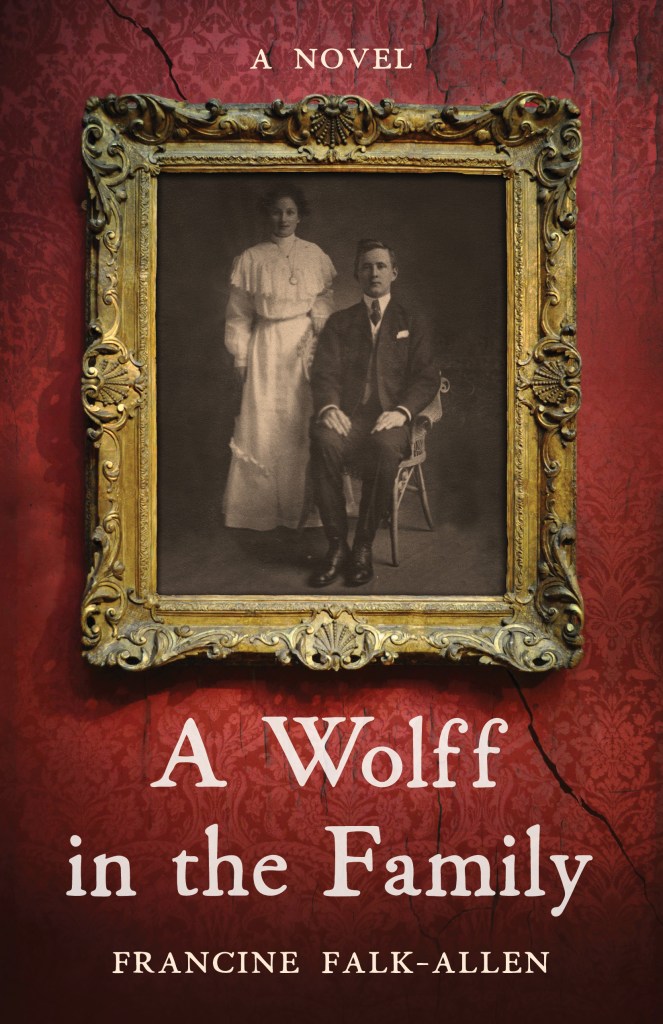
An Interview with Naomi Wolff from A Wolff in the Family by Francine Falk-Allen

Amazon Affiliate Link used supports the blog.

Interviewer: We’re here today with Naomi Wolff, whose exciting western American life was full of twists and turns, especially during the Depression. Naomi, what would you like us to know about yourself?

Naomi: Omigosh. My life exciting? I hardly think so! I just did whatever had to be done, puttin’ one foot in front of the other. I was born in Kansas, lived on farms a lot, except when I was livin’ in Ogden with my husband and family for… lessee, about eighteen years. I have been a mother most of my life. So most folks know how that sure takes up your time. It’s not like you get to do much else.

I: To start with, then, how did you meet your husband and what was it like marrying him?

N: I met Frank at a dance in Kansas City. If me and my family went anywhere at all, off the farm, we went to the little bitty town of Turner to buy feed and supplies, or we went to Kansas City for a day sometimes. Now, Frank was not really much of a dancer, but I think he went to these dances to see if he could meet a pretty girl! And I guess that’s what he did.

I: I can see you’ve always had a pretty face.

N: Well, I never had much time to fuss about my appearance. But Frank told me I had a nice face and I heard that from other people. It’s probably on the verge of sinful to brag, so I won’t say any more about that. Frank courted me a bit and then asked me to marry him pretty early on. He was handsome and had a good job with the railroad, so I thought, this is prob’ly as good as I’m gonna get around here and I said yes. I was eighteen and we married in early 1908. I think I loved him and I thought he loved me too.

Now, Frank was a little different once we got married. We were always amorous, if you know what I mean, when he come home from the rails. But he could be… whaddaya call it? Stern, I think. And given he was bringin’ home the bacon, he expected things a certain way… he wanted the kids quiet and his dinner at 6:00. I knew that was my job so I did things how he liked. Mostly.

I: How many children did you have?

N: Ha! A whole lot of ‘em. I had my firstborn, Frances (she was named after her daddy; his name was Frank Joseph and we named her Frances Josephine)…  Frances was born in November, 1908. And after that, I had eleven more, plus stillborn twins. That was a sad month for us. And then later on another one after those twelve; she was a surprise. 

I: How did you manage a houseful like that? 

N: Oh, I knew how to stretch a dollar real far. Plus we grew vegetables and berries… But with that many kids sometimes you gotta use a yardstick on ‘em, else they run roughshod. I never liked doin’ that but you got to. And Frances started helping me early on, as soon as she could fold a diaper or wash a dish. Anita was next, so I was lucky to have girls as my two oldest so they could help with the housework, the cooking, and taking care of the kids who were younger. Frances, I think she resented it a little…

I: How was your relationship with your children?

N: My relationship? I’m not sure what you mean. Did I love them? Of course I did! If you mean did we get along or were we close… well, Frances was her daddy’s girl. He was real attached to her. And since I was the one left home alone, I was the one who had to teach her right from wrong and tell her no. It wasn’t easy for me to see Frank pay more attention to Frances, either. But Anita and I, we were close. She didn’t always get along with her dad and she and Frances, bein’ so close in age, only a year apart, they butt heads a lot too.

My other kids… well, sometimes they maybe didn’t get enough attention. I loved ‘em so much, but things happened in the middle of my life that not everybody understood. So there came a time when I think some of the kids didn’t like me too much. But their dad was no saint. Lot of things he did, not all of ‘em knew about. He was gone so much… that was hard for me. 

I: Did you know Francine, who wrote this book about you?

N: Oh, for heaven’s sake. I can’t imagine why anyone would write a book about me. I’m just a mother from the country, like my mother was. But no, I never met Francine. I knew about her but my husband had died so I didn’t have a way to drive out to California to see her when she was born. I met her big sister and brother though; we went out there one time. I got to see a lot of my kids and grandkids. That was a real good time for me… prob’ly around 1941 or’42.

I: Do you want to tell me about the things that happened that people didn’t understand? 

N: Oh, no, I’d rather not. If Francine told that story, well, I just hope she told it fair. Frank… he had kind of a mean streak. He put our youngest kids in an orphanage… and I’ll just let people read the book to see why that happened. I have a few regrets in my life but mostly I think things turned out just the way God wanted. You don’t always know in your life how the cookie’s gonna crumble. We had a real hard time around 1929 but things got better.

I: That was the start of the Depression. I’m sure that was mostly what caused the strife in your life.

N: Ha! You might think. But there’s a whole lot more happened that had nothin’ to do with money or the Depression. Nothin’ at all. No, I didn’t have a whole lotta choices in my life, but I made one, changed my life, and the lives of a lotta other people. I guess that’s the story here. Yes, that would be a story worth tellin.’


FRANCINE FALK-ALLEN grew up in northern California, where she still lives. She had polio in 1951 and has lived her life as a disabled person efforting to be a “normie.” 

Falk-Allen was originally an art major and later completed her BA in Managerial Accounting, running her own business for over thirty years. She has always sought creative outlets, such as painting, singing, and writing.

She began doing extensive family genealogy research in 1999, and has traced both her maternal and paternal ancestors back to the 1600’s. 

Her two books, Not a Poster Child: Living Well with a Disability—A Memoir  and No Spring Chicken: Stories and Advice from a Wild Handicapper on Aging, and Disability, have received the Kirkus star for excellence and won other awards.

Her third book is A Wolff in the Family, a riveting early twentieth century saga set in the western United States and based on scandalous family history.
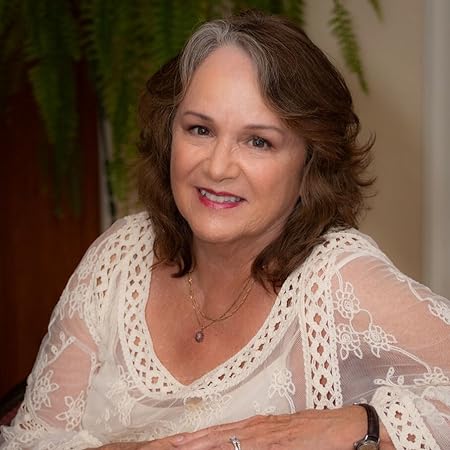
Francine facilitates a writing group and volunteers on her town’s Americans with Disabilities Act Accessibility Committee. She loves the outdoors, swimming, gardening, movies, well-written literature, being with friends and sharing British tea and a little champagne now and then. She resides in San Rafael, California, with her husband, Richard Falk.
Book Review: Maria by Michelle Moran

Amazon Affiliate Link Used to Support the Blog

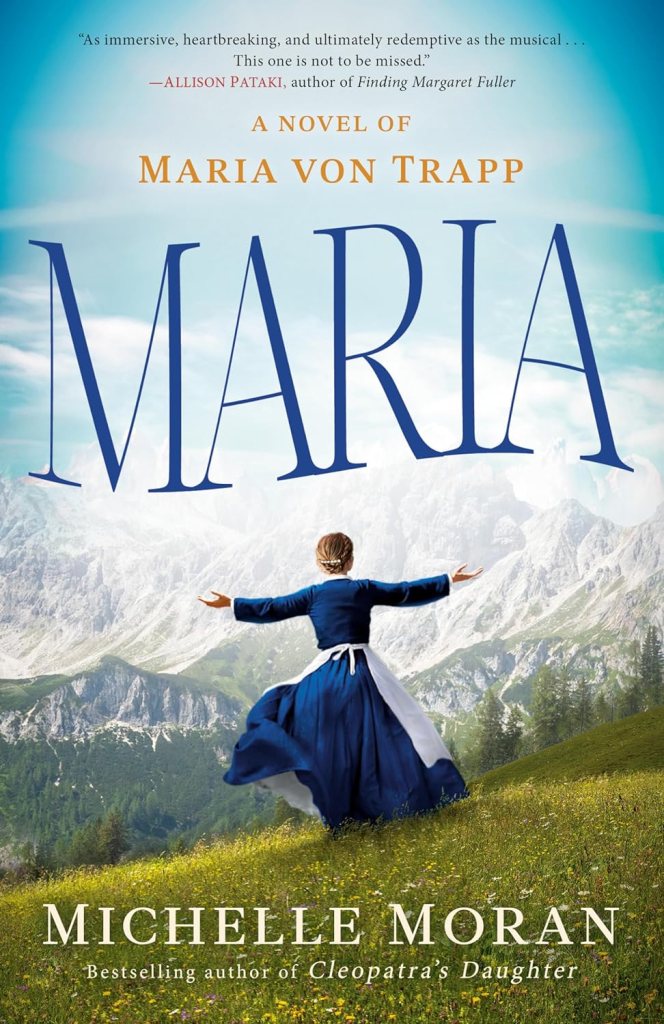
Maria von Trapp, a novel? Yes, please! Add to that it’s written by a highly skilled novelist and this is a must-read this summer.

I was excited to receive an advanced copy of this novel from the publisher. This is my unbiased opinion.

I admit, I knew very little about the real people in this story before reading Maria. Now I feel like I have the bigger picture. I love when a novel teaches me something. (You’ve heard me say that before if you’ve read my other reviews, but it’s still true!) What I did know, or thought I knew, came totally from the movie-or was it from watching high school musicals over the years? I’m not sure.

The story takes us to the real Maria, and her discontent with the play that has gone into rehearsals. The author created a character that is assistant to Oscar Hammerstein. The assistant, Fran meets with Maria and hears her concerns while knowing there isn’t much that can be changed at this point. I appreciated knowing about Maria’s pious nature, her sternness, her disapproval with how the family is portrayed (her husband as the strict disciplinarian that in fact Maria was, the oldest child as a girl when he was actually boy … and more) While we know deep down that stories inspired by someone’s life are not usually 100% factual, it’s still good to know what was real and what was Hollywood, or in this time setting, Broadway.

I love how we get to go back in time with Maria and experience her struggle to leave the nuns. Her backstory makes the elder Maria much more relatable. How her decision to marry The Captain came about. How he felt about her. How the children felt about her. The actual songs they sang together. If you knew someone about the von Trapps, this might not surprise you. It did me. The Sound of Music is so fun and entertaining that it’s easy to forget the story is loosely based on real people, so I for one appreciated learning all the backstory.

An important character both in this novel and in real life was Hammerstein. I enjoyed getting to know him and his genius. The last song written was an important factor in resolving Maria’s issues with the play and perhaps, as Moran has suggested, with her children.. You’ll have to read the book to find out which one. I mean, what fantastic musical scores were created!

The only down note, in my opinion, was the unexplored, brief relationship between the two fictional characters, Fran and Peter. I would have liked to have seen more of. a parallel drawn between Fran in the later timeline and Maria in the 1930s I thought that was going to happen seeing as Fran was in an unhappy relationship with a man named Jack and Maria’s early life was also unhappy. But there might not have been enough similarities for that. The ending seemed to be missing something. Maybe it was that. However, this novel was fun to read, educational, and entertaining. If you love The Sound of Music you must read this!

Reviewed by Cindy Thomson

Interview with Lena Condotti from House of Honor by Margaret Ann Philbrick

Amazon Affiliate Link Used Helps Support This Blog

“Lena Condotti, thanks for stopping by Novel PastTimes today! Were going to get right into it, tell us what first attracted you to Orazio Bordoni?”

“Without a doubt his boyish, messy look. I’d like to say it was his artistic skill since we met in the studio, but his hair, the bomber jacket, his massive smile caught me first.”

“You were modeling for a life drawing class the day you met. Was that a little bit awkward?”

(Laughs) “Maybe for him, I’m used to guys trying to take me out after class. I usually say no, but I couldn’t resist him.”

“How would you describe your relationship?”

“We both love adventure and doing the unexpected. We explore unknown spots in Rome and on the coast. I love to dress up and go out to dinner and go clubbing. Orazio is more casual. We try to strike a middle ground. I think he’d love camping in the mountains, but I can’t imagine getting all wet and grimy.” 

“Has Orazio met your family? What did they think?”

“We haven’t been together long enough to meet my parents. Maybe after summer is over. I’d love to meet his parents though.”

“Any plans for that?”

“No, he doesn’t really talk about his family much. I don’t want to push him. I’ll meet them when he’s ready.”

“Tell us what is your ideal date with Orazio looks like?”

“Our first date, when he paddled me around the pond at Borghese Gardens and then we went to the museum was romantic and unforgettable. We could both spend the rest of our lives, looking and talking about art and being outside.”

“Who are your favorite Italian artists?”

“I’m more contemporary. Orazio likes the old masters. I love Modigliani, De Chirico and a few of the street artists around Piazza de Popolo.””

“At this point in your relationship with Orazio what are your hopes and dreams?”

“I can’t believe I’m saying this, but I think that no matter how rough your family upbringing is, you still want children with the man you love. I do want a family someday, not huge, just a couple of little Orazio’s running around.”

“Oh boys! Does he want children too?”

“Yes, I think so. He can be a bit mysterious when talking about the future. One minute he wants to own his own gallery and the next he’s talking about leaving Italy for a long holiday, we’ll see.”

What about you? What would you say are the influences that have guided your life up to this point?”

“Because of Papa, I despise politics. I feel like I’ve spent a lot of time running from his spotlight. With Orazio, I’m free of that. He cares nothing for politics. I’m influenced by my heart and where it takes me.”

“Lucky you, I wish we could all say that. You’ve been quite a successful model, both in the studio and in Milan. Do you hope to keep modeling?”

“Definitely, as long as I can. Sophia Loren is my hero. She’s eternal, beautiful at every age.”

“You have a lot of inner confidence. Where does that come from?”

“Definitely my Nonna Condotti. My grandmothers practically raised me because Papa was traveling so much and Mama was busy at the theatre. I wear this Virgin Mary medallion to remind me that many mothers have blessed my life and made me strong.”

“Anything else you want to share?”

“Yes, thanks for chatting with me and I want readers to know, Viva Italia! Life is to be enjoyed. Don’t take it too seriously. Grazie!”

Viva Italia! Thanks for your time today, Lena.”


Margaret Ann Philbrick’s first novel, A Minor: A Novel of Love, Music, and Memory received critical praise from Kirkus Reviews: “An emotional story . . . clear prose . . . delicately constructed . . . nuanced characters . . . breaks the mold.” She is the contributing editor of Everbloom: Stories of Deeply Rooted and Transformed Lives, a collection of essays and poetry for women. Her poems and articles have been featured in numerous anthologies and publications, including Christianity Today, Relevant, The Redbud Hyphen, and Patheos. Her Christmas book, Back to the Manger, created in collaboration with her mother, has become a holiday classic. Margaret is a founding member of the Redbud Writers Guild NFP and a member of the Door County Published Author Collective. You can connect with her via her website, www.margaretphilbrick.com

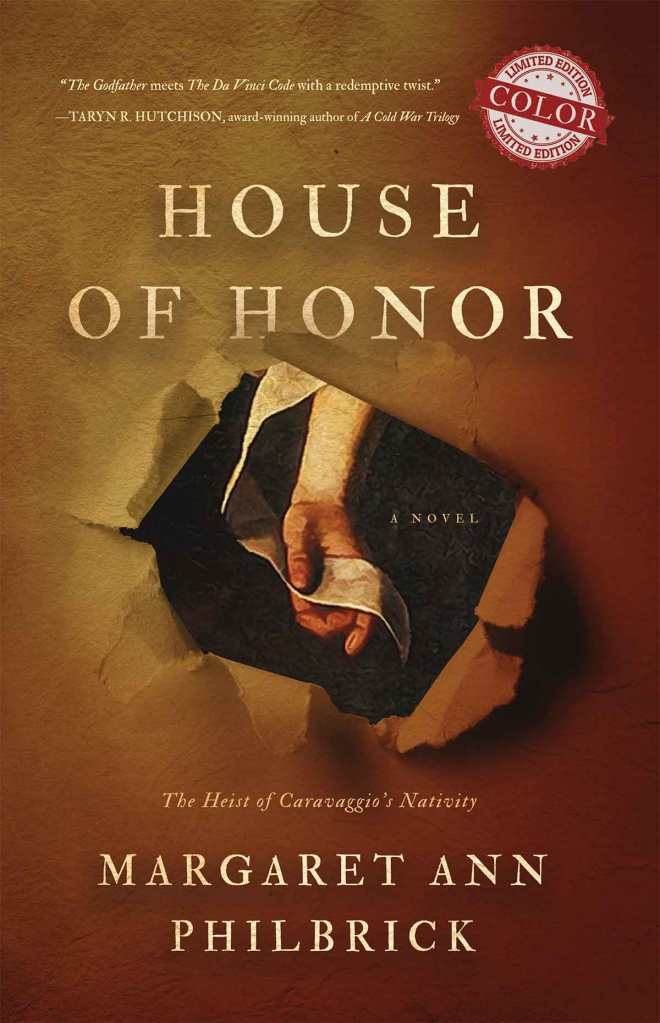
You can learn more about the painting featured in House of Honor at www.whostolethepainting.com

Purchase Links below:


House of Honor: The Heist of Caravaggio’s Nativity

House of Honor: The Heist of Caravaggio’s Nativity|eBook

Introducing Sheriff Ty Dawson from Baron Birtcher’s Ty Dawson Series

BY WAY OF INTRODUCTION, TELL US A LITTLE ABOUT YOURSELF:

            My name is Tyler Dawson, but most folks call me Ty. I reside in a small town in southeastern Oregon. Town by the name of Meridian. A couple years ago, my neighbors pressed me into service to act as their Sheriff, since the man who preceded me had turned out to be a lying bag of –. My apologies. Let’s just say he was a dishonest and disagreeable man. Before they made me their sheriff, I was a rancher. And a Korean War veteran. Three generations of my family has run a cattle and horse operation out here in the wilds since the late 1800s. Seen a lot of change in those years. Some of it good. Some not so much. 

What else do you want to know? 

YOU’RE NOT FROM CONTEMPORARY TIMES, ARE YOU?

            No, ma’am. The year I’m living in is 1976 – our nation’s Bicentennial. Like I said, I fought in Korea, returned to the States and worked in Hollywood as a wrangler for a time while I got my head back on straight after the war. Met my wife, Jesse, while I was working on the studio lot. We moved back to Oregon after we got hitched. We have a daughter, nearly grown. We call her Cricket. She’s in college now, over in Colorado.

YOUR EYES LIGHT UP WHEN YOU MENTION YOUR WIFE AND DAUGHTER.

            Can we talk about something else, please?

OKAY. YOU SAY YOU LIVE IN THE 1970s. WHAT CAN YOU TELL ME ABOUT THAT? 

            Listen, things in Meridian, Oregon, haven’t changed much since my grandfather started this ranch. For that matter, the whole county hasn’t changed much. Not until recently. 

WHAT DO YOU MEAN?

            What, are you kidding? Vietnam? Watergate? Woodstock, ‘free love,’ LSD, marijuana, chaos and bloodshed at Wounded Knee, students shot by the National Guard at Kent State… Five years ago, gas was 36 cents; it’s nearly double that now. The economy is a mess, and nobody trusts anything that comes out of Washington DC, not that I blame them. Don’t get me wrong, I’m not a political man. It just breaks my heart to see what has happened. 

YOU’RE A ‘LAW-AND-ORDER’ MAN, THEN?

            You think there’s something wrong with that? 

I CAN SEE YOU ARE A MAN WHO APPRECIATES PLAIN TALK. TELL ME WHAT YOU HAVE LEARNED ABOUT YOURSELF SINCE YOU’VE BEEN SHERIFF. 

            I’ve learned I don’t care to brook any bullcrap. People around here just want to live their lives. That goes for me, too. I love my wife and my family. I love my ranch and my town. Lately, we’ve had to put up with liars, thieves, murderers and interlopers of every stripe, and I’ll tell you this: If you want to get along in my town, you’d best treat the folks around here with respect, and we’ll do the same in return. You do that, we’ll get along fine; you don’t… well, that’s going to become a different kind of problem for you.

THAT SOUNDS LIKE A THREAT

            I’ve never made a threat in my life. I’m merely informing you beforehand as to what’s going to happen. I believe it’s only fair that people understand in advance how things work. It’s still a free country. Nobody has to stick around here if they don’t want to.

I UNDERSTAND THERE HAVE BEEN BOOKS WRITTEN ABOUT YOU, SHERIFF DAWSON.

            Yes, ma’am. Four of ’em so far: SOUTH CALIFORNIA PURPLES was the first one. Then there was FISTFUL OF RAIN, followed by RECKONING, and most recently, KNIFE RIVER

THE BOOKS HAVE EVEN WON SOME AWARDS?

            That is a fact. A number of them, actually. Turns out, we’ve got quite a few stories to tell, here in Meriwether County. 

IS THERE ANYTHING ELSE YOU’D LIKE PEOPLE TO KNOW ABOUT YOU, SHERIFF DAWSON?

            I prefer not to talk about myself all that much, if it’s all the same to you. Everything you need to know about me is written in those books I just mentioned. There’s more books coming, too, I understand. There’s no shortage of things going on around here, that’s for sure…  Hear that sound? That’s a radio call coming in. Sorry, but I’ve got to go. Nice to meet you, ma’am. Drop by again anytime. 


Baron Birtcher is the winner of the Silver Falchion Award (Hard Latitudes); Winner of Killer Nashville Readers Choice Award (South California Purples); and Best Book of the Year Award for Fistful Of Rain.

He has also been nominated for the Nero Award, the Lefty, the Foreword Indie, the Claymore, and the Pacific Northwest’s Spotted Owl Awards.

Baron’s writing has been hailed as “The real deal” by Publishers Weekly; “Fast Paced and Engaging” by Booklist; and “Solid, Fluent and Thrilling” by Kirkus. 

Bestselling author, Don Winslow, has said, “You want to read Baron’s books, then you want to live in them.”

NYT Bestseller, Reed Farrel Coleman says: “Birtcher is part poet, part philosopher, and a consummate writer. You need to read his books.”

I invite you to join me on the ride with Sheriff Ty Dawson, and to (re)visit those heady, turbulent, beautiful and terrifying times of the 1970s; and to join me on Facebook and Instagram at: 

            Facebook: www.facebook.com/BaronRBirtcher

            Instagram: www.instagram/BaronBirtcher_author

Books in the Ty Dawson series

            South California Purples

            Fistful Of Rain

            Reckoning

            Knife River

>>> They can be purchased by using this link:   https://linktr.ee/baronrbirtcher

Review: An Audiobook Musical: “19: The Musical” (Through the 4th Wall) from creators Jennifer Schwed and Doug Bradshaw

Amazon Affiliate Link used to benefit the blog.

This has to be the most unique historical fiction I’ve reviewed. You’ve all heard of the stage musical Hamilton, and probably most of you have either seen it live on stage or on TV. The musical 19 has a similar feel.

Here’s some info from the press release:

Delving into the contentious nature of the suffrage movement, the book highlights the marginalized roles of these women and focuses on the remarkable contributions of underappreciated figures such as Alice Paul, Carrie Chapman Catt and Ida B. Wells. Spanning the life of Alice Paul’s entrance into the suffrage movement in the early 1900s through to the ratification of the 19th Amendment in 1920, the musical chronicles the sacrifices and setbacks faced by suffrage luminaries. The racially diverse cast brings a contemporary spin to historical events.

I was excited to listen to this, but I was puzzled about how it would work. The key was not to expect a typical audiobook. You are listening to a musical with the help of stage directions and a narrator. It worked well. I found it very entertaining and educational, which is exactly what I look for in historical fiction. Like Hamilton, it the fun and humor balance very serious historical occurrences. For instance, President Wilson says, “Mansplaining, mansplaining, mansplaining…” You may not have read in the history books that Wilson was late jumping on the suffragist bandwagon. That, along with other issues with his policies, helped to elected Warren G. Harding once women were voting in 1920.

I recommend this, 5 stars! Scroll down to listen to a clip.

Reviewed by Cindy Thomson, Novel PASTimes


Book and lyrics by Jennifer Schwed and Doug Bradshaw | Music composed by Charlie Barnett March 2024 | Through the 4th Wall | Musical Theater / Historical

Audiobook, ISBN: 9798218392208

Officially launched in 2014, Through the 4th Wall has en­deavored to excite and challenge audiences with the fantastic, the unexpected and the thought-provoking. TT4W is an award-winning theater, film and media company that creates, writes, directs and produces its own original works. Princi­pals Jennifer Schwed and Doug Bradshaw are playwrights, filmmakers and multimedia storytellers. Past projects have spanned media and genres such as, “Jules & James,” a serialized audio drama podcast and multimedia story; “A Dream Within A Dream,” an immersive play about the mad genius of Edgar Allan Poe; and “The Upside of Iris,” an enchanting and whimsi­cal story about a girl who sees the world upside down, produced as an animated ebook. These past artistic ventures have garnered both critical and audi­ence acclaim. TT4W looks forward to introducing audiences to “19: The Musical,” a story 100 years in the making.

Social Media: Facebook: @19TheMusical | Instagram: @19_themusical

Listen to a clip

Meet Bertie Jenkins from Appalachian Song by Michelle Shocklee

Today we’re talking to Alberta “Bertie” Jenkins. Bertie, you’ve lived your entire life in the mountains of Appalachia, is that right?

Yes, my Papa and Mam were born in these parts, as were their folks. The Jenkins roots run deep in these hills. 

I’ve only been camping in the mountains, so I’m not sure what it would be like to live there permanently. 

It’s wonderful. Every mornin’ you wake up to the sound of birds and breezes and critters rather than noise from the city. All of us who are home gather ’round the big kitchen table and eat a hearty breakfast. Jennie does most of the cookin’, and she’s as fine a cook as Mam. After the meal, we have Bible readin’. When Papa was alive, he chose the Scripture passage for the day, but since he’s gone on to heaven, Jennie reads to us now. Sometimes we’ll discuss the Word, sometimes not. Someone will say a prayer of blessin’ over the day, and then we’ll scatter like ants. Everyone has their own chores to tend and things to get done before the sun disappears behind the mountain. When the boys were home, they’d go off huntin’ or fishin’ after chores were done. Us girls would pick bunches of wildflowers and wade in the creek. We’d have contests to see who could find the prettiest rock or find a robin’s nest or climb the highest tree. 

We went to school six months out of the year, mostly durin’ the fall and winter. Papa and some of the neighbors built a schoolhouse ’bout a mile down the mountain from our place. We children walked there or rode a mule, but soon as plantin’ season came, we were needed at home. 

What is your favorite season in the mountains?

I’m partial to autumn. God takes his paintbrush and touches nearly every growin’ thing with shades of red, yellow, and orange. Even those plants whose leaves turn brown are pretty in their own way. Springtime, too, is my favorite. Everything is new and fresh and bright. Flowers, baby birds, new fawns. Yes, springtime is mighty fine too. Summertime is full of tendin’ the garden, shearin’ the sheep, plowin’ and growin’ crops and then cannin’ it all so we’ll have plenty of vittles come winter, my least favorite season. 

Why is winter your least favorite?

Even though we don’t have the corn and wheat fields and the big garden to tend during the winter, the bitter weather and snow makes life hard here in the mountains. Don’t get me wrong, though. There’s beauty in every season, but winter brings hard work with it. The critters need extra feed since there’s no grass or bugs. Water freezes in buckets and troughs. Toes freeze when you’re outside too long. Firewood must be chopped several times a day. The house never really gets warm, even with Papa’s two fine fireplaces and the cookstove sendin’ out heat. But there are sweet times in the winter that we don’t usually get in the busy warmer months. Lots of sittin’ in the gatherin’ room, tellin’ stories and knittin’ or sewin’. I enjoy readin’ novels, although my elder sister says they’re silly and a waste of time.

Tell us about your family.

Papa and Mam had eleven children. I’m second to the youngest, with my sister Rubie bein’ the baby. Papa always said she was wise beyond her years, and I’d have to agree with him. Papa built our log cabin after he and Mam married. He’d been in the War Between the States—served in the Union Army like most East Tennesseans—and after he came home, they married and started their family. 

It must have been fun growing up with so many siblings.

Since I don’t know any other way of growin’ up, I’d say so. There was always chores to be done—gardenin’, cookin’, cleanin’, piles of laundry—but we had good times too. My brothers liked to tease us young’un’s by catchin’ snakes and lizards and bugs, but I wasn’t ever afraid of ’em the way my other sisters were. There were seven of us girls and four boys. After the boys were grown, they bought farms of their own and moved away, but only our sister Catherine married and left home. The rest of us girls live on the family homestead.

That’s fascinating. This might be too personal, but may I ask why you and your other sisters never married?

It ain’t too personal. It’s my story. My elder sister, Jennie, was a young girl when she decided not to marry, but three of my other sisters wanted husbands. Catie found a good man to wed, and the other two girls, Bonnie and Amelie, found fellas soon after. But those boys met with a terrible accident and were killed. My sisters never got over it. I watched each of them and the choices they made and concluded I wasn’t interested in marryin’ a fella and movin’ away. We sisters stayed on the homestead together, helpin’ each other and livin’ a good life. 

I’m sorry to hear about the tragedy. I suppose everyone suffers loss at one time or another. 

That’s true. Jesus said in this world we’ll have trouble, but he also says he’s overcome any troubles we face, includin’ death. In all my years as a midwife, I saw many miracles, but I also saw sadness. 

Tell me how you came to be a midwife. 

Mam was trained as a midwife by her mama. And her mama by her mama. We mountain folk tend not to trust fancy doctors and hospitals. We’d rather have our own people care for us, if possible. I was just a young’un when I first saw a baby bein’ born. Whoo-wee, that was somethin’. I couldn’t imagine how that little fellow got inside his mama’s belly and came out lookin’ so perfect. From then on, I asked Mam to train me in midwifery too. 

How many babies have you delivered?

Too many to count.

Do you have a favorite among them?

I sure do. One hot summer day back in 1943, a young gal showed up at our place. She was pregnant and alone, so my sisters and I took her in. When her time came, I tended the birth. I’ll never forget the moment I looked in that child’s eyes. I fell in love. 

What happened to the baby?

Well, that’s a story for another day, I think. 

Thank you for sharing your mountain life with us, Bertie. It sure makes me want to visit Appalachia soon. 

You’re welcome in our beautiful part of the world anytime. There’s always somethin’ to do in the mountains. Hikin’, bikin’, picnickin’, or just sittin’ and enjoin’ God’s handiwork. 

It sounds perfect.

It is

.


Michelle Shocklee is the author of several historical novels, including Count the Nights by Stars, a Christianity Today fiction book award winner, and Under the Tulip Tree, a Christy and Selah Awards finalist. Her work has been featured in numerous Chicken Soup for the Soul books, magazines, and blogs. Married to her college sweetheart and the mother of two grown sons, she makes her home in Tennessee, not far from the historical sites she writes about. 

Helpful Links:

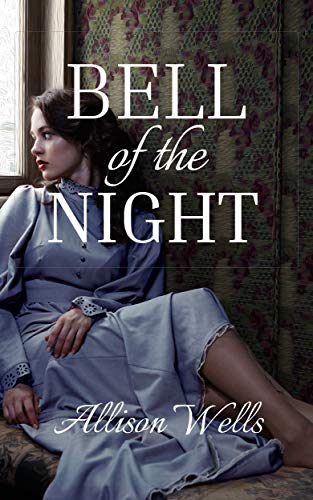
Introducing Bell Night from Bell of the Night by Allison Wells

Tell us something about where you live: 

You would never guess it from the plush furnishings and the opulent décor, but I live in a prison where a few dollars will buy you more than a pound of flesh. It will purchase a piece of my torn-apart soul. 

Is there anything special about your name? Why do you think you were given that name? 

Madam Knight erased the name my parents had given me and replaced it with Bluebell. We all have flower names because we’re all her precious flowers. Most of the girls call me Bell. I think she just has a rotation of names that she works through – Daisy, Rose, Lily, Poppy, Clover, Jasmine – Bluebell is just part of the rotation. It means nothing to her. Or to me.

Do you have an occupation? What do you like or dislike about your work? 

I live and work in Storyville. Do I have an occupation? Sure. I’m what they call a soiled dove. What you don’t know is that a soiled dove is just a pigeon. A plain old pigeon. Do I like it? Of course not. Who would choose this life? I was sold into this slavery when I was a child, but I’ve become numb. I just count the days until I’m used up and cast out.

Who are the special people in your life?  

My best friend, Astrid. She’s also my roommate. She talks about her faith in God, and while I don’t get it, her hope gives me hope. 

What is your heart’s deepest desire?   

To get as far away from the brothel and Storyville as possible.

What are you most afraid of? 

Nothing. I’ve lost it all already.

Do you have a cherished possession? 

Only the memories of my parents before the fire. Before I was handed over to my greedy uncle who sold me for two dollars to Madam Victoria Knight. Those memories are all I have left. 

What do you expect the future will hold for you?  

I have no idea. Part of me wants to fight and run, but the other part of me is tired to the bone and weary.

What have you learned about yourself in the course of your story?  

There’s this guy who came in the other day. A religious type, spouting on and on about Jesus loving us. But he doesn’t do it to condemn us, he does it to give us – me – hope. I don’t know, I actually felt like he saw me. The real me. Not only did my heart give a little flutter, which it’s never done, but it also felt hopeful. 

Is there anything else you’d like people to know about you? 

People think we chose to do this. Live like this. This is a last resort for some who had no other way of staying alive or caring for their children. Or some like me who were sold to a hardened madam who went through this herself. We don’t choose or love this. We don’t relish in it. We don’t enjoy being leered at, let alone being abused. We want a better life. And I will fight tooth and nail to give that to these girls, even if it means I don’t get it.


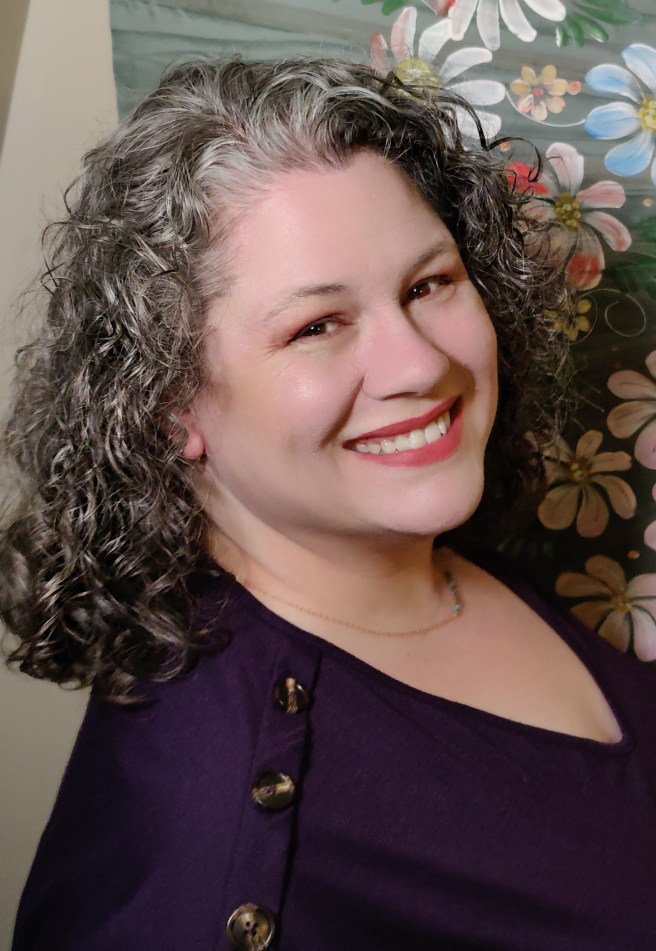
Allison Wells is a wife, mother, and sweet tea addict. Allison writes in two genres – Christian Women’s FIction and Sweet Romance. She writes what she calls “gritty Christian fiction,” books that show the hard truths of life but ultimately are stories of redemption in the end. Her sweet romances are clean and fun with a dose of laughter (the best medicine). She loves to bring a word of hope to readers worldwide. Her motto is, “Life is short, eat the Oreos.” Visit her website at www.whatallisonwrote.com.

http://whatallisonwrote.com

http://instagram.com/whatallisonwrote