Amazon Affiliate link used to benefit the blog. Please click on the image. It does not cost you more.
384 pages Publisher Berkley Publication date June 13, 2023
This novel was inspired by actual events using fictional characters. We’ve all heard of the evacuation of British children during WWII but I for one hadn’t heard about the attack and subsequent sinking of a ship carrying evacuees to Canada. The story begins with two women: Alice doing her part by volunteering to escort these children and Lily, a mother making the difficult decision to send her children away to where she’d thought they’d be safer. There was an escort convoy but the problem was the escort ships left before the children’s ship was safe. The parents hadn’t been told they wouldn’t be escorted all the way to Canada. Of course everyone knew it was dangerous but choices had to be made and the best hoped for. One article I read said 15,000 children were killed or seriously injured in Britain during the Blitz.
We see the Blitz on London, travel with the characters to shelters in the middle of the night, nearly every night for a time. It’s understandable that the British people thought their children needed to be sent to somewhere safer. They didn’t know if, like France, they might be invaded by the Nazis.
When the unthinkable happens, Alice and some of the children she is responsible for, along with some other adults, board the last lifeboat to leave the sinking ship. After they realize they wouldn’t be rescued (in real life it took until the next day for a ship to come to the site looking for survivors) they made a plan to sail to Ireland. They had drifted away from the search area and assumed to have not survived. There are storms, ill passengers, too little food and water. The author is so skilled with painting the story that the reader can imagine it all. It’s heart wrenching. There are moments of insanity brought on by too little nourishment and sleep. There is nothing they can do to help the sick. But there are wondrous moments too. Alice retelling the story of Moby Dick to the children to entertain them. A sometimes brunt but charming man named Owen who takes daily swims outside the lifeboat, incredibly beautiful sunrises and visits from curious whales. Alice learns more about herself than she ever would have without this experience and grows to believe in herself and her purpose in life. Lily, back at home, is a recent widow. She must deal with guilt, fear, and depression. Obviously the sinking of the ship with her children on it is devastating and life changing. So much happens in just eight days! There are times in the story where I couldn’t see how they could possibly find healing, but as with other Hazel Gaynor novels, there is hope and a satisfying ending.
Don’t miss the author’s note. This is a part of history that was a failure on the British government’s part but also something that was learned from. So many children (and adults) lost their lives in this attack (Only 13 of the 90 children onboard through the evacuation scheme survived.) and their memory deserves to be preserved. The authors does this with this well-written, intense, and stirring novel. Highly recommended.
Welcome to Novel PASTimes! We are pleased you stopped by today.
Tell us something about where yourself:
My name is Daniel Hawkins. My wifeโs name is Maggie, and we have a wee one on the way. We make our home in a modest cabin in Loudoun County, Virginia.
Ah! You have a wife. I enjoy love stories. How did you meet, and how long have you been married?
It seems Iโve always loved Maggie. We grew up as neighbors and attended the same church services as children. When Maggie blossomed into a young woman, I found countless reasons to stop by her home for a visit. She welcomed my company, and soon we became inseparable. Sadly, we were married but a few months when I joined the militia to fight against the British in the spring of 1814.
So you are a soldier? Is that your profession?
I was a farmer by trade before joining the militia. My stint in the army ended prematurely due to a devastating injury that changed the direction of my life entirely.
Iโm sorry to hear that. How was your life altered by your injury?
I returned home a broken man, having lost my will to try or even live. Farming was no longer an option, so I withdrew from everyone, including Maggie. I saw no purpose in living and basically gave up for a time.
Sounds miserable. What brought you out of such a slump?
I credit my dear wifeโs earnest prayers, along with my brother-in-law, Jonathanโs, tenacious attempts to pry me from my self-pity. On a trip into town, the Lord began to stir my heart to renewed purpose. I noticed a wooden cradle in the store that would have been perfect for our coming child. As Christmas neared, I wished to surprise Maggie with it. But money was scarce, so I gave up the notion and decided instead to try my hand at fashioning one myself.
Wow! But you said you were a farmer. Did you have any sort of carpentry skills?
I come from a family of whittlers and carvers. As a boy, I watched my father carve and build, but never really caught interest in trying the craft myself. But I had inherited my fatherโs carving tools which had been passed down to him from his uncle Silas. When I mentioned the idea of building a cradle to Jonathan, he was all for it and agreed to supply the wood.
Thatโs great. And did your cradle turn out well? Did you carve anything else?
I shall leave that for readers to assess and discover as they delve into my story, A Lasting Legacy.
Sounds good. What have you learned about yourself in the course of your story?
That on my own strength, I am nothing. The Lord is the Master Craftsman of my soul. He alone brings strength, purpose, and healing to our lives. We only need look to Him in our time of need, and He will supply what we need. Instead of giving up, we must look up to our Heavenly Father.
Wonderful insights for us all. Thanks for allowing us to get know you a little better, Daniel!
About: A Lasting Legacy is one of four novellas included in Chiseled on the Heart Christmas Novella Collection: A Christmas Legacy Novella Collection
The Gift of a Lamb by Elaine Cooper
In 1776, 14-year-old Charlotte Hawkins and her brother, 10-year-old Elias, are still grieving the death of their parents. Their parents left instructions to be sent from their home state of Virginia to live with relatives they barely know, in Connecticut. The trip was dangerous, as war raged between the Redcoats and the Americans. To make matters worse, the churches in Connecticut donโt celebrate Christmas at all. Will this be the orphansโ worst Christmas ever?
A Lasting Legacy by Cynthia Roemer
Loudoun County, Virginia, 1814. After a disabling injury sends Daniel Hawkins home from war, he struggles how to provide for his young wife, Maggie and the child sheโs carrying. As Christmas approaches, he finds a sheep his grandfather carved and attempts to carve a nativity set for Maggie. When she goes into labor during a Christmas Eve blizzard, Daniel is forced to face his feelings of inadequacy. And perhaps learn that God has a plan for his life after all.
Healing within the Pieces by Candace West
Prison shackles haunt Nathaniel Hawkins upon his return home only to discover it occupied by a woman in hiding. Bad men are no strangers to Delia Evans, but the intruder who barged into the farmhouse shrinks from her. With no other refuge, they must endure each other. But have they misjudged? When the past shadows their doorstep, is a grudge worth the price of a manโs life?
The Christmas Carving by Kelly Goshorn
Wyatt Hawkins dreads Christmas. Memories from the fatal shooting of his childhood friend on Christmas Eve, 1864, has left a bitter taste in Wyattโs mouth toward God, the holiday season, and his former fiancรฉe, Madelyn Cunningham. As Christmas draws near, can the star heโs carving for his familyโs heirloom nativity point Wyatt back to the woman heโs never forgotten and the faith heโs left behind?
Author Bio:
Cynthia Roemer is an inspirational, award-winning author who enjoys planting seeds of hope into the hearts of readers. Raised in the cornfields of rural Illinois, she enjoys spinning tales set in the backdrop of the mid-1800’s prairie and Civil War era. Cynthia feels blessed the Lord has fulfilled her life-long dream of being a published novelist. It’s her prayer that her stories will encourage readers in their faith. She and her husband reside on the family farm and will soon celebrate their 30th Anniversary. They have two grown sons, a daughter-in-love, and a spoiled cat named, Chad. Visit Cynthia online at: http://www.cynthiaroemer.com
Merry Christmas 1966 from US First Lady, Lady Bird Johnson
โIโll start this interview by saying with Lyndon in the White House, my favorite roles as First Lady are decorating the White House Christmas Tree and supporting my national Wildflower Initiative to save Americaโs native plants and beautify our landscapes. Iโm combining those this year by decorating our White House tree with hand-painted wildflower ornaments. Did you like the sneak peek I gave you?โ
โAbsolutely. Youโre outdone yourself and we got great photos. How did you choose the tree?โ
โThatโs my favorite part. I love a good love story. Donโt you?โ
โIโll say! And so do our readers.โ
โOur White House Tree, like the Rockefeller Tree, is chosen through a contest with growers all over the country submitting their trees. This year it boiled down to two neighboring farms in Wisconsin.โ
โNeighbors? Imagine the competition.โ
โEven more when theyโre feuding because oneโs Norwegian and the other Swedish.โ
โThat sounds like a bad movie. I can tell where this is heading.โ
โNot this time. This oneโs different. The Norwegianโs forestry major niece, Marcy, and the Swedeโs financial planner son, Kris, dated in high school and heโd carved their initials inside a heart on the trunk of one tree before they graduated and went separate ways.โ
โHow sad.โ
โBut if a romance is meant to be, it works out.โ
โYouโre right, Mrs. Johnson. So more was going on than raising Christmas trees?โ
โCall me Lady Bird, and yes there was.โ Her dimples flashed. โBut let the young people share their story as they told me. Marcie? Fill our reporter in.โ
Marcie: โSure. Uncle Halvorโs problem with tree blights inspired me to study forestry to find answers. When the blight and his finances reached their worst, I arranged to do my last university semester at home to help. Now Kris should tell you his part.โ
Kris: โGladly. When Dad sent an S.O.S. that he needed me home short-term or our farm could go under, he didnโt say Marcie had come back.โ He squeezed her hand. โThat was a great surprise. It didnโt take us long to reconnect.โ
Marcie: โIโll say. And then Kris told me about the contests and if we competed to supply the White House Tree, it could increase sales and publicity.โ
โEven though you knew only one of you could win?โ
Kris: โThat was the hardest part. At first I promised myself Iโd go back to professional life in New York City if it wasnโt the Lundquist Farms tree. But by then I was loving our small town more than everโand also a certain special forestry major.โ He gave Marcie a quick hug. โUntil I finally realized there was something I could do about who won.โ
โWhat do you mean?โ
Marcie blushed. โDonโt give it away, Kris. Make them read our story.โ
โYouโre right.โ
Lady Bird: โTheyโll love it when they do. And Iโll do even more when you two come see me again after Christmas.โ
Kris: โYou will?โ
Lady Bird: โYes. You didnโt think the fun would end here, did you?โ
Marcie: โWow. I canโt wait to find out.โ
Delores Topliff grew up in Washington state but married a Canadian so enjoys dual citizenship. She teaches Christian university classes online, travels, and published childrenโs books and non-fiction stories before finding her stride writing historic fiction. Books Afloat, Christmas Tree Wars, Wilderness Wife, and Strong Currents have been published since January 2021. Delores loves her two doctor sons and five grandchildren and divides her year between a central Minnesota farm and the gentle climate and people in Northeastern Mississippi. I used to make fun of snowbirds and now I am one.
Welcome to Novel PASTimes! We are pleased you stopped by today. How will you be spending Christmas in 1942?
Thereโs a war on, so things arenโt quite as exciting as they once were. I took a lot of leave from my job at RAF Bottesford earlier in the year when my mother died, so I canโt go home for the holiday. I do get to spend the evening with my best friend Grace. She has invited me and some of the men we work with to celebrate with her family.
Any of those men special to you?
Absolutely not! The airmen I work with are dreadful! Donโt even get me started โฆ Except Alec Thomas will be there. Iโm trying so hard not to like him, because Iโm worried heโs the same kind of man as my ex-boyfriend, who turned out to be a real scoundrel. Alec is incredibly good-looking. You know Clark Gable from Gone with the Wind? He looks just like him, except heโs Australian so when he speaks he sounds more like Errol Flynn might. Grace says I should give him a chance, but I donโt know that I can risk it. He is such a flirt!
So you are in the Womenโs Auxiliary Air Force?
Yes, but we just call it the WAAF. I joined up in โ40, as soon as I turned 18. I wanted to do something to help the war effort and preferred air force blue to khaki and brown! Now Iโm an officer. I have a little responsibility over the enlisted women, which is daunting when Iโm not that much older than most of them.
And you work at RAF Bottesford? What can you tell us about your job?
RAF Bottesford is a heavy bomber station with Bomber Command, which means that our crews fly large aircraft on bombing raids over occupied Europe, mostly Avro Lancasters. Itโs dangerous work, but itโs the only way we can take the fight to Hitler right now. We send the men out on night time operations in sub-zero skies, and many times they donโt return. In fact, many of them leave notes on their pillows to be sent to their families in case the worst happens. Despite having sworn off pilots romantically, I canโt deny that what they do is impossibly brave.
I work in the control tower, giving pilots permission to take off and land, and relaying messages from the ground. Mine is the last voice the pilots hear before they fly. I take that responsibility seriously because, in reality, mine might be the last voice they will ever hear.
What will Christmas at RAF Bottesford look like?
Since the new Australian squadron arrived weโve had terrible weather, but at least that means less flying and more socialising! Theyโve held several dances in December already, some people are rehearsing a pantomime and I know the kitchen staff are planning a smashing Christmas dinner with ham and turkey, which is almost unheard of at the moment! I hope there will be seconds! On New Yearโs Eve, weโll go to the dance hall in Grantham. I canโt wait.
What about your family? Will you miss them?
Very much. I only have one sister, Rosie. Sheโs sixteen and currently at home with our father. I know itโs not really polite to speak about these things in public, but he is grieving my mother so very deeply right now and he has retreated into himself. Rosie only has our housekeeper Mrs. Bickham for company, and although Mrs. Bickham makes the best Christmas gingerbread in all of Warwickshire, she’s a poor substitute for our mother. At least, Iโll have Grace and her family, and all my chums from the WAAF this Christmas.
What about Alec Thomas?
Weโll see what Christmas brings, shall we?
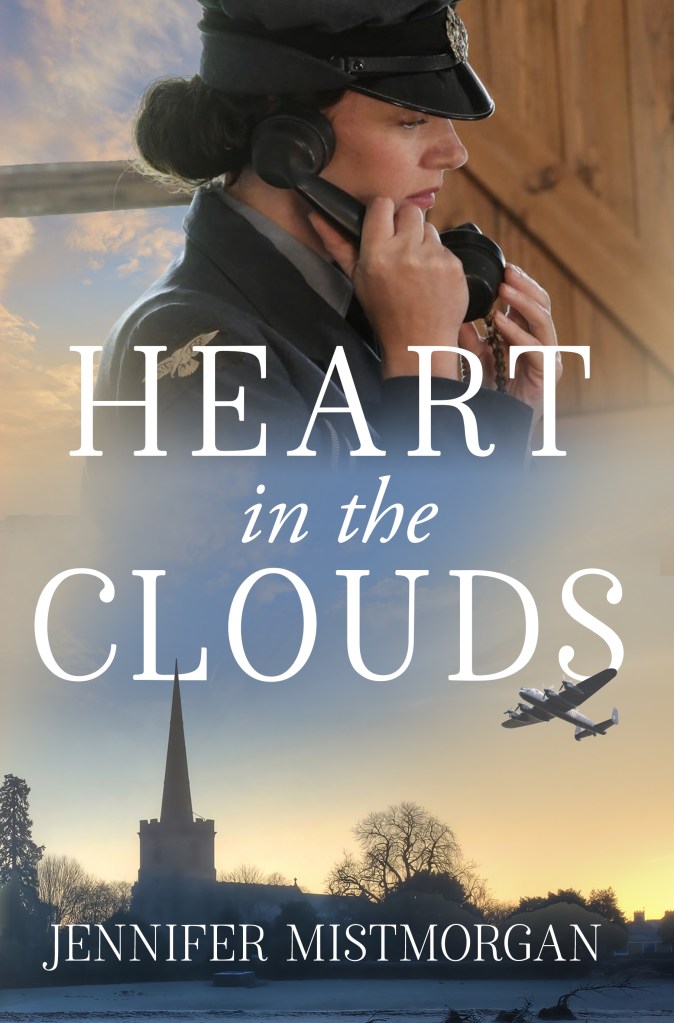
Read about Maggieโs wartime Christmas in Heart in the Clouds, available at Amazon and other retailers.
____________
About the author:
Australian author Jennifer Mistmorgan sometimes feels like she was born in the wrong era. So she writes romantic historical fiction set in the 1940s, against the backdrop of WWII and its aftermath. Her romances are always sweet but sometimes gritty, infused with hard-core historical research, gentle faith and foodish flair. She lives in Canberra with her family and a wonky-eared West Highland terrier. Find out more atjennifermistmorgan.com, or onFacebookorInstagram.
Having run away from home in the summer of 1914 to join the Great War for Civilization, 16-year-old Evan Sinclair managed to cross the country by train, the Atlantic by steamer, and having crossed through France into occupied Belgium, he found himself with the Flemish resistance in the dangerous mission of flooding the lowlandsโa singular act that stopped the Germans from reaching the northern ports and turned the tide of the war. Having played a key role in that critical mission, Evan was badly wounded and spent some weeks in a field hospital in northern France. Discharged from hospital, he and other recovering wounded soldiers are being sent back to England by hospital ship.
Ten minutes out of Calais and bound for Dover, theย HMHS Austriumย pitched on the Chanel swells onย a cold morning in late November. Sixteen-year-old Evan Sinclair stowed his gear on theย upper berth of a cramped cabin, and grasping the worn handrail, headed up the narrow steel stairwell to the shipโs deck. He stepped to the side as a deckhand descended the stairs and asked, โYโknow where I might find Evan Sinclair?โ
โRight here. Thatโs me.โ
The man handed him a piece of paper. โThis just arrived for you.โ
In the half-light he could make out the words.
NOVEL PASTIMES WISHES TO INTERVIEW EVAN SINCLAIR PLEASE RESPOND
Evan frowned and thought, โWhat the hell does that mean? Then he called out to the deckhand who had begun climbing back up the steps. โHey! They want me to respond. How am I supposed to do that?โ
โAt the wireless office. Come with me.โ
Evan followed the deck hand up the stairs and soon found himself on the bridge. There the deckhand nodded at a closed door.
Pushing it open, Evan saw a young man reading as he reclined, feet up on a low desk between a typewriter and a burnished brass telegraphy set. Looking up from his copy of Argosy All-Story Magazine, he asked,โAre you Evan Sinclair?โ
โYes.โ He held up the paper. โI believe this came from you. What do you make of it?โ
The young man shrugged. โThey want to interview you.โ
โAbout what?โ
โIf youโd like, we can find out right now.โ The telegraph operator sat forward and readied his hand over the key-type transmitter. โShall we?โ
โDo you have time for that?โ
โFor now, I do. Thereโs nothing in the queue, and theyโre waiting for your response at the destination station in Londonโโ
โLondon? Isnโt that too far away?โ
โNot at allโwe can transmit wireless over twice that distance.โ
โHow?โ
โMorse code by radio waves. Do you want to do this or not?โ
โSure,โ he said and watched as the operator began tapping the brass key. Once he stopped, Evan asked, โWhat did you transmit?โ
โI told them that Evan Sinclair is standing by for the interview with Novel PASTimes.โ The operator moved his headphones up from his neck to his ears and reached out to bring the typewriter forward. โTheyโll get back to us soon enough and Iโll type out the responses for youโโ
Before he finished speaking, Evan could hear the shrill staccato of the Morse code from the operatorโs earphones. As he began typing, Evan leaned down and read the message.
WELCOME HOME HOW DOES IT FEEL TO BE A HERO
A hero? he thought. Are they referring to what I did to help flood the polders? Evan said nothing for a few seconds while the images flashed through his headโthe bright moon over the lowlands, the partisans exposed by the sluice gate, the German machinegun from within the protecting nest of sandbags, firing and firing, smoke from the gun rising in the air, desperate and failed attempts by the partisans to silence it, with pistol, with grenade. He remembered crawling over smooth stones in the mud, trying to reach the dark shelter of the poplars, there the foliage blocked out the moonlight and he was able to stand and hurl smooth stones with his sling into the machinegun nest, again and again, drawing their attention away from the partisans at the sluice gate. And, finally, moonlight shining on rising water as the polders floodedโ
The telegraph operator cleared his throat. โDo you want to reply?โ
Evan nodded. โTell them โ Iโm not sure what they mean.โ
The operator tapped out the message, and the reply came quickly, and the young man typed it out.
FLOODING POLDERS KEPT GERMANS FROM TAKING NORTHERN PORTS AND WINNING THE WAR NOW THEY WONT NOT NOW NOT EVER
He knew that was true. The key to a quick German victory was to seize the port cities of northern France and Belgium. But slowed and stopped with the flooding of the lowlands, their progress had ground to a halt. And everyone knew that without a quick victory, Germany would have none. And though the subsequent trench warfare was horrific and grinding, it contained Germany and drew out the war, and a longer war would end in Germanyโs defeat.
Which is why I left home to join the Great War for Civilization, he thought. To make a difference. And I did.
He spoke a shortened version of those thoughts to the operator who tapped them out into the wireless radio waves bound for London. After a few minutes the next question came.
THERES TALK OF YOU RECEIVING THE VC
The Victoria Cross? Evan shook his head in disbelief. Britainโs most prestigious decoration? Theyโd give it to me for throwing rocks at Germans? The ones who really deserve a medal are the Flemish partisans who died at the sluice gate, the ones who actually flooded the poldersโEmile Peeters and Hendrik Geeraert.
Evan proceeded to dictate these thoughts to the operator who tapped them out. Evan made sure that he got the spelling of their names right.
After a few minutes the next question came, the shrillness of the code less jarring as Evan was getting used to it. He read the typed transcription.
WHAT DO YOU PLAN TO DO ONCE YOU GET BACK TO ENGLAND
Before speaking, Evan considered how to reply. Iโm pretty sure my dad left Utah to look for me in England. Heโs probably back nowโat our old house in Oxford. I definitely want to spend some time with himโto mend fences after the way I ran off. And once Iโm fit for service I want to get back to the fight, that is, if the war is still going on. But not on the Western FrontโIโll ask for them to send me to Cairo.
Dictating these thoughts to the operator, Evan hoped that his father might hear the news before he arrived at the front door in Oxford. As he waited for the tapping to stop, his thoughts turned to a beautiful young nurse he had met while hospitalized in France. Iโd really like to get back there for a quick visitโto see her againโ
โUh-oh!โ the operator cut into his thoughts. โIโve got someone in the queue now. Iโve got to sign out with NOVEL PASTimes, and take this.โ
โNo problem. Iโm glad weโre done,โ Evan said as he watched the operator hunch over listening as he typed out the incoming message.
GERMAN U BOATS SIGHTED IN CHANNEL BEGIN EVASIVE MANEUVERS
Evanโs breath caught as the operator grabbed the message and ran out to the bridge, yelling for the captain.
Wireless Telegraphy Communication between ship and shore was by Morse code, as it was for conventional telegraphy. The equipment only transmitted messages for about 300 miles in daylight, although that figure doubled or tripled after dark thanks to the refraction of long-wave radiation in the ionosphere. The wireless operators sending these messages were independent young men of the modern age who had been recruited with the promise of escaping “blind alley careers”. They chatted to wireless operators in other ships in a jaunty, mock public school slang, calling each other “old man”.
Photo of the HMHS Austrium
Michael J. Cooperย emigrated to Israel in 1966 and lived in Jerusalem during the last year the city was divided between Israel and Jordan. He graduated from Tel Aviv University Medical School, and after a 40-year career as a pediatric cardiologist in Northern California, he continues to do volunteer missions serving Palestinian children who lack access to care. His historical fiction novels include โFoxes in the Vineyard,โ set in 1948 Jerusalem, which won the 2011 Indie Publishing Contest grand prize, and โThe Rabbiโs Knight,โ set in the Holy Land in 1290. โWages of Empireโ won the 2022 CIBA Rossetti Award for YA fiction along with first- place honors for the 2022 CIBA Hemingway award for wartime historical fiction. He lives in Northern California with his wife and a spoiled-rotten cat. Three adult children occasionally drop by. Learn more atย michaeljcooper.net.ย
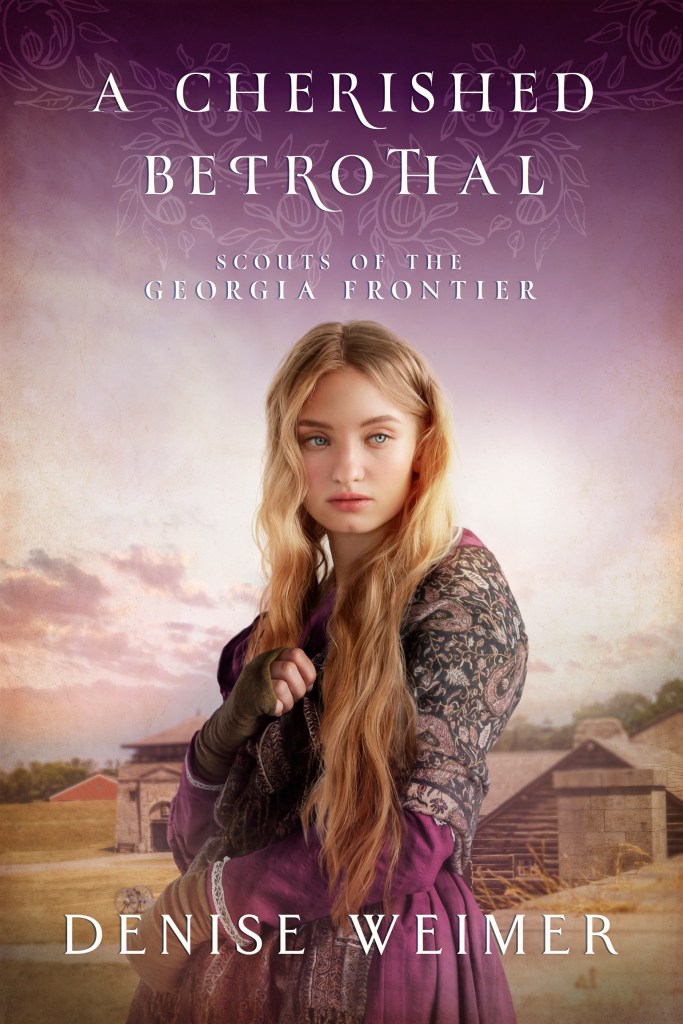
Today weโre hosting Jenny White, the heroine ofย A Courageous Betrothal, for a cup of tea. We catch up with her partway through her story as told in Book Two of the Scouts of the Georgia Frontier, the latest series launched by Denise Weimer and Wild Heart Books. Jenny is such a strong character, inspired by real-life Revolutionary War heroine Nancy Hart, that this short novella is written entirely from her point of view. It was originally released asย Across Three Autumnsย in the Backcountry Brides collection.
Miss White, are you all right? I thought for a moment there you were going to drop your teacup.
Jenny: Sorry about that. We donโt have such fine dishes on the frontier. And my hands are especially rough this time of year after the harvest. My father is with Elijah Clarkeโs militia, you know. Even my younger brother ran off to join them. That means most of the work falls to me. Maโs not been strong since the birth of my youngest sister, Liberty, and my other sister, Hesterโฆwell, sheโs best suited to needlework and such. Iโm used to it. God made me big and strong so I could handle a plow.
I also heard you know how to handle a rifle.
Jenny: Yes, Iโm a crack shot.
Does that have something to do with the nickname the Indians gave you? What was it?
Jenny: They call me Wahatchee. That means War Woman, on account of how I stood up to them one day Hester and I were cooling down in the creek. Now I have something of a reputation in the area. Folks come to our place to fort up when they hear the Indians allied to the British are stirred up.
Thatโs good, but it seems a lot to ask, for one woman to protect them.
Jenny: Iโm not always alone. Militia often comes and goes from here and Woburn, Clarkโs settlement. Weโre determined not to give Middle Georgia to the British, even though the fightingโs so fierce folks are calling these parts โthe Hornetโs Nest.โ But our Patriot militia will prevail. They fight like the Indians. And a lot of them are Scottish, like my fatherโs friend, Caylan McIntosh, who I nursed back to health after the Battle of Kettle Creek.
Your fatherโs friend? Is he a veteran of many fights, then?
Jenny: Oh, heโs much younger than father, but they did fight together in Florida. And he comes from warrior stock the governor brought in to protect Savannah from the Spanish and Indians.
You seem quite impressed with Caylan McIntosh. Maybe heโs also a particular friend of yours?
Jenny:ย I donโt know what youโre implying. Caylan and I respect each other, is all. I donโt fall for his Scottish charm. My sister is the type of woman men look forโฆsmall and delicate and ladylike.
It seems to me that on the frontier, especially in the middle of a war, a man like Caylan would value a strong and skilled woman at his side. And you already saved his life, from the sounds of it.
Jenny: He was grateful for my herb lore. I also have some pretty strong acting skills. Not only did I capture a spying Loyalist onceโฆI outwitted a passel of British soldiers when they were looking for my father and brother and Caylan. They were even going to make me cook them my last turkey! Can you imagine? I played a right smart trick on them, if I do say so myself.
I look forward to reading about that in your memoirs, Miss White. But it seems to me, you evaded the question just now.
Jenny:ย Well, maybe I did. I guess youโll just have to read my story to find out if that knavish Scottish scout ever weasels past my defenses. I can tell you thisโIโll not make it easy for him!
Red-haired, freckle-faced, and almost six feet tall, Jenny White has resigned herself to fame over love. Possessing the courage and wits to guard her younger siblings against nature, natives, and loyalists in Georgiaโs โHornetโs Nestโ gives life meaning until she meets Caylan McIntosh, scout to Colonel Elijah Clark.
From the time Jenny nurses the young lieutenant back to health after the Battle of Kettle Creek, she canโt deny her attraction to her fatherโs comrade. It doesnโt help that the vexing Highlander seems determined to dismantle her emotional armor. But when Georgia falls to the British and Caylan returns to guide Jennyโs family on a harrowing exodus into the North Carolina mountains, will his secrets and the ravages of smallpox prove stronger than his devotion? Or will a love as tough as their backwoods home lead them toย A Courageous Betrothal?
Author Bio:
Denise Weimer writes historical and contemporary romance from her home in North Georgia and also serves as a freelance editor and the Acquisitions & Editorial Liaison for Wild Heart Books. A wife and mother of two daughters, she always pauses for coffee, chocolate, and old houses.
Amazon Affiliate Link Used, helping to support the blog.
November 7, 2023; ISBN 9780800741716; Ebook ISBN 9781493443420; $17.99; Paper
In WWII Poland, two sisters fight against the darkness engulfing their homeland, one by entering a daring network of women sheltering Jewish children and the other by joining the ranks of Polandโs secret army. As Warsaw buckles under German oppression, they must rely on the courage that calls the ordinary to resist.
Welcome to Novel PASTimes! We are pleased you stopped by today.
Tell us something about where you live.ย
I live in Warsaw, Poland. When I was growing up, Warsaw was a vibrant city, full of beauty and life and freedom, but the German occupation has stripped so much away. When the first bombs fell in September 1939, it was only the beginning of the destruction that would descend upon our beloved capital. Life under occupation means endless restrictions and decrees. There is a curfew every evening. We can no longer own radios. We exist on a diet of black bread and potatoes, with the occasional bit of odorous meat. Civilians are rounded up in the streets and deported to forced labor in Germany while others are seized as hostages to be executed whenever anything happens that displeases the Germans. First our Jewish neighbors were forced to wear an armband marked with the Star of David, but in the autumn of 1940, all Jews in Warsaw were ordered to move to what the occupation authorities call a โJewish residential district.โ The ghetto is surrounded by a high brick wall crowned with barbed wire, and though I havenโt been inside, Iโve heard rumors about the overcrowding and starvation and disease. Warsaw is still the city of my heart, but sheโlike all of usโbears the cracks and scars of war.ย
Do you have an occupation? What do you like or dislike about your work?
ย Iโm a secretary at a German office. I didnโt want to work for the occupiers, but my sister and I must both earn or we will soon starve.ย
Who are the special people in your life?ย
My tata and I share a cherished bond. He calls me hisย kwiatuszekโhis little flower. He went off to fight just before the outbreak of war, but he was captured and sent to a prisoner of war camp. When he was with us, I always felt safe and protected, but now my sister and I are alone. Antonina and I used to be close, but sheโs been so distant of late and I donโt know why. We used to talk, but we donโt anymore, not about things that truly matter. War leaves everything in shards, even the bonds that should be the most abiding.ย
What is your heartโs deepest desire?ย
For the war to end and for Poland to be free. But thatโs what every citizen of Warsaw would say. Deep down, I suppose what I really mean is that I want the life we once had. When my tata was home and my sister and I still shared our secrets and hopes.ย ย When everything was simple and certain. When we trusted the future instead of feared it. But thatโs all gone now. Sometimes I doubt it will ever return.ย
What are you most afraid of?ย
Iโm afraid of losing the ones I love. Iโve already lost so much. It leaves you feeling small and frightened and powerless. Such pain reaches far deeper than any physical wound. It breaks the heart and a heart doesnโt heal. It grows numb, but not whole. This is what I have learned.
Do you have a cherished possession?ย
The letters my tata sent from the prisoner of war camp are very precious to me. I no longer need to fix my eyes upon them, for I carry every word in my heart already. But I never tire of reading them, of tracing his script with my fingertip. Itโs been so long since weโve had any word from him, and my heart aches with fear, even as I cling to hope.ย ย
What do you expect the future will hold for you?ย
Life is so uncertain. Fear is a daily reality, one weโve become so accustomed to itโs as if weโve forgotten what it is to live beyond its shadow. You asked about the future? I donโt know what it holds, but I wish I could fight back somehow. Iโm not certain what resistance really means, but I want to believe I can be more than the frightened girl watching the ones I love dragged into a relentless undertow. I want to believe I can give something that matters. I want to believe there is hope in defiance.ย
Thanks for allowing us to get know you a little better!
Bio:ย Amanda Barrattย is the bestselling author of numerous historical novels and novellas, includingย The White Rose Resistsย (a 2021 Christy Award winner) andย Within These Walls of Sorrow. She is passionate about illuminating oft-forgotten facets of history through a fictional narrative. Amanda lives in Michigan. Learn more at AmandaBarratt.net.
Heart in the Clouds is Jennifer Mistmorganโs debut novel, and at the risk of sounding clichรฉ, she hit it out of the park. Her writing is evocative, and I was immersed in the era from the first sentence. Descriptions were sprinkled, not poured into the story and I was able to hear, see, and smell what it was like to work at an airfield on the ground and in the planes. The author has obviously done her research and is quite knowledgeable of the era and military bases of the time. For example, sheโs fully versed in the slang of the pilots, who refer to their planes as kites and the channel as โthe drink.โ
There were lots of characters, but each one was unique to so there was no confusion about who was who, with secondary and minor characters being fully developed. Internal dialogue got me into the charactersโ heads and even though they were dealing with life and death issues, the story didnโt get maudlin. I enjoyed Alecโs journey from a cocky, reckless pilot to a confident integrity-filled man. His journey is littered with fits and starts, but heโs highly intelligent, and he begins to put the pieces together about God, His love, and His sovereignty. I loved his interactions with the vicar, a friend of Maggieโs, and who Alec thinks might be a competitor for her affections.
Maggie is delightful as she matures and comes into her own. As one of two daughters of a vicar, she has been somewhat sheltered her whole life. Then her mother dies, and her father is thrown into despair leaving Maggie to be somewhat in charge. He is angry that she joins the WAAFs, but she feels called to serve somewhere in the war. Having been โdumpedโ by a pilot, she is wary of all pilots, which is challenging since sheโs surrounded by them on the airbase. I loved Jonty, a pilot sheโd saved from his burning plane in the past. He helps her see she canโt lump all pilots together as being arrogant and out to get what they can from women.
As an author of WWII fiction, Iโve done my fair share of study and research, yet I did learn several things. As an American, I enjoyed seeing the war from another viewpoint, and it was fun to watch British Maggie interact with Australian Alec.
The only disappointment was the five or so instances of profanity. The words did nothing to further the plot or character development, and I prefer my Christian fiction to be void of such words. Despite this, the book is a worthwhile read.
Book Blurb:
Heโs a charismatic Australian bomber pilot used to beating the odds. Sheโs the radio operator he speaks to each night before he flies. He makes a bet that he can steal a kissโฆ.and ends up getting much more than he bargained for.
RAF Bottesford, November 1942:
Maggie Morrison joined the Womenโs Auxiliary Air Force for a free ticket into the romance she craved, away from her sleepy life as a vicarโs daughter. But the men of Bomber Command are careless with the hearts of women. She hides the pain of her broken heart and motherโs sudden death behind calm confidence on the airfield radio, as the last voice men hear before they fly into danger.
Australian pilot Alec Thomas is a gambling man on a winning streak. Every night when he flies with RAF Bomber Command, the odds of surviving are fifty-fifty. And every night so far, heโs made it back to English soil. But as the battles over Europe intensify, Alecโs luck feels less certain.
When Alec bets with his crew he can get Maggie to kiss him before the year is out, he has no idea itโs the most important wager heโll ever make. But pursuing her leads Alec to reexamine everything he believes about his so-called luck, prompting him to question whatโor whoโis behind it all. Even if Alec can win his bet, can his risk-taking ways win her heart? Or will his luck in the brutal air war over Europe run out before their first kiss?
Welcome Gertrude Miller. Tell us a little about yourself.
Hello! Thanks for allowing me to stop by today. I canโt stay long before I need to get back to my dress shop. I almost ready to open it, and Iโm hoping it will become a vital part of my hometown, Burrton Springs, Kansas. Itโs not normal for me to step out on my own, so Iโm praying this venture will be successful. The last thing I want to do is move back in with my parents.
What made you decide to open a dress shop?
Iโve had a love of sewing ever since I learned the skill when I was five years old. For a while I made dresses and sold them in the local general store. Those went over well so I decided to go a step further and open my own shop. I also sent off for a mail-order groom. He should be arriving on the stagecoach soon.
Why did you decide to send off for a husband?
There, uh, arenโt many available men in Burrton Springs, and those that are, my mother has scared off by always trying to get anyone under the age of fifty interested in me. Sheโs been known to chase men down and spout all my worthy traits. Itโs downright embarrassing. I thought Iโd do better if I tried to find one, instead of having a man thrust on me.
I hope that works out for you. What do you think youโll learn in the course of your story?
The author said something about finding peace in the middle of storms and how we can trust God to see us through. I hope that doesnโt mean she plans to create a lot of difficulty for me!
Chuckle. I guess people will have to pick up a copy of Wooing Gertrude to find out the rest of your story. Any final things youโd like readers to know about you?
I like to think of myself as a loyal friend. I tried to help Jules in Taming Julia and the heroine in Protecting Annie. Annie and I became very close during her tale. Iโm so glad the author finally gave me a story of my own though. I sure hope it has a happy ending! By the way, hereโs what the author wrote for the back cover of my story.
Enoch Valentine has given up finding peace for his past mistakes. He throws everything he has into being the new part-time deputy in Burrton Springs, Kansas while maintaining the foreman position at a local horse ranch. But when trouble stirs on the ranch, he questions whether he’s the right man for either job.
Peace has been elusive for most of Gertrude Miller’s life, especially under the oppressiveness of an overbearing mother. She takes matters into her own hands and sends for a potential husband, while also opening her own dress shop. Gertrude hopes to build a future where she’ll find peace and happiness.
Will either of them ever be able to find peace?
Thanks again for having me today. Sorry I canโt stay any longer. I think I hear the stagecoach.
You’re welcome, Gertrude. Good luck with finding the husband of your choosing! If the mail order husband doesn’t work out I hear the new deputy, Enoch Valentine, is kind of cute.
Can you share some information about the author?
Jodie Wolfe creates novels where hope and quirky meet. She is a member of American Christian Fiction Writers (ACFW), and Faith, Hope, & Love Christian Writers (FHLCW). She’s been a semi-finalist and finalist in various writing contests. A former columnist for Home School Enrichment magazine, her articles can be found online at: Crosswalk, Christian Devotions, and Heirloom Audio. When not writing she enjoys spending time with her husband in Pennsylvania, reading, walking, and being a Grammie. Learn more at www.jodiewolfe.com.
Today weโre talking to Alberta โBertieโ Jenkins. Bertie, youโve lived your entire life in the mountains of Appalachia, is that right?
Yes, my Papa and Mam were born in these parts, as were their folks. The Jenkins roots run deep in these hills.
Iโve only been camping in the mountains, so Iโm not sure what it would be like to live there permanently.
Itโs wonderful. Every morninโ you wake up to the sound of birds and breezes and critters rather than noise from the city. All of us who are home gather โround the big kitchen table and eat a hearty breakfast. Jennie does most of the cookinโ, and sheโs as fine a cook as Mam. After the meal, we have Bible readinโ. When Papa was alive, he chose the Scripture passage for the day, but since heโs gone on to heaven, Jennie reads to us now. Sometimes weโll discuss the Word, sometimes not. Someone will say a prayer of blessinโ over the day, and then weโll scatter like ants. Everyone has their own chores to tend and things to get done before the sun disappears behind the mountain. When the boys were home, theyโd go off huntinโ or fishinโ after chores were done. Us girls would pick bunches of wildflowers and wade in the creek. Weโd have contests to see who could find the prettiest rock or find a robinโs nest or climb the highest tree.
We went to school six months out of the year, mostly durinโ the fall and winter. Papa and some of the neighbors built a schoolhouse โbout a mile down the mountain from our place. We children walked there or rode a mule, but soon as plantinโ season came, we were needed at home.
What is your favorite season in the mountains?
Iโm partial to autumn. God takes his paintbrush and touches nearly every growinโ thing with shades of red, yellow, and orange. Even those plants whose leaves turn brown are pretty in their own way. Springtime, too, is my favorite. Everything is new and fresh and bright. Flowers, baby birds, new fawns. Yes, springtime is mighty fine too. Summertime is full of tendinโ the garden, shearinโ the sheep, plowinโ and growinโ crops and then canninโ it all so weโll have plenty of vittles come winter, my least favorite season.
Why is winter your least favorite?
Even though we donโt have the corn and wheat fields and the big garden to tend during the winter, the bitter weather and snow makes life hard here in the mountains. Donโt get me wrong, though. Thereโs beauty in every season, but winter brings hard work with it. The critters need extra feed since thereโs no grass or bugs. Water freezes in buckets and troughs. Toes freeze when youโre outside too long. Firewood must be chopped several times a day. The house never really gets warm, even with Papaโs two fine fireplaces and the cookstove sendinโ out heat. But there are sweet times in the winter that we donโt usually get in the busy warmer months. Lots of sittinโ in the gatherinโ room, tellinโ stories and knittinโ or sewinโ. I enjoy readinโ novels, although my elder sister says theyโre silly and a waste of time.
Tell us about your family.
Papa and Mam had eleven children. Iโm second to the youngest, with my sister Rubie beinโ the baby. Papa always said she was wise beyond her years, and Iโd have to agree with him. Papa built our log cabin after he and Mam married. Heโd been in the War Between the Statesโserved in the Union Army like most East Tennesseansโand after he came home, they married and started their family.
It must have been fun growing up with so many siblings.
Since I donโt know any other way of growinโ up, Iโd say so. There was always chores to be doneโgardeninโ, cookinโ, cleaninโ, piles of laundryโbut we had good times too. My brothers liked to tease us youngโunโs by catchinโ snakes and lizards and bugs, but I wasnโt ever afraid of โem the way my other sisters were. There were seven of us girls and four boys. After the boys were grown, they bought farms of their own and moved away, but only our sister Catherine married and left home. The rest of us girls live on the family homestead.
Thatโs fascinating. This might be too personal, but may I ask why you and your other sisters never married?
It ainโt too personal. Itโs my story. My elder sister, Jennie, was a young girl when she decided not to marry, but three of my other sisters wanted husbands. Catie found a good man to wed, and the other two girls, Bonnie and Amelie, found fellas soon after. But those boys met with a terrible accident and were killed. My sisters never got over it. I watched each of them and the choices they made and concluded I wasnโt interested in marryinโ a fella and movinโ away. We sisters stayed on the homestead together, helpinโ each other and livinโ a good life.
Iโm sorry to hear about the tragedy. I suppose everyone suffers loss at one time or another.
Thatโs true. Jesus said in this world weโll have trouble, but he also says heโs overcome any troubles we face, includinโ death. In all my years as a midwife, I saw many miracles, but I also saw sadness.
Tell me how you came to be a midwife.
Mam was trained as a midwife by her mama. And her mama by her mama. We mountain folk tend not to trust fancy doctors and hospitals. Weโd rather have our own people care for us, if possible. I was just a youngโun when I first saw a baby beinโ born. Whoo-wee, that was somethinโ. I couldnโt imagine how that little fellow got inside his mamaโs belly and came out lookinโ so perfect. From then on, I asked Mam to train me in midwifery too.
How many babies have you delivered?
Too many to count.
Do you have a favorite among them?
I sure do. One hot summer day back in 1943, a young gal showed up at our place. She was pregnant and alone, so my sisters and I took her in. When her time came, I tended the birth. Iโll never forget the moment I looked in that childโs eyes. I fell in love.
What happened to the baby?
Well, thatโs a story for another day, I think.
Thank you for sharing your mountain life with us, Bertie. It sure makes me want to visit Appalachia soon.
Youโre welcome in our beautiful part of the world anytime. Thereโs always somethinโ to do in the mountains. Hikinโ, bikinโ, picnickinโ, or just sittinโ and enjoinโ Godโs handiwork.
It sounds perfect.
It is
.
Michelle Shockleeย is the author of several historical novels, includingย Count the Nights by Stars, aย Christianity Todayย fiction book award winner, andย Under the Tulip Tree, a Christy and Selah Awards finalist. Her work has been featured in numerous Chicken Soup for the Soul books, magazines, and blogs. Married to her college sweetheart and the mother of two grown sons, she makes her home in Tennessee, not far from the historical sites she writes about.ย