Interview with Eugene Ely from Ely Air Lines by Mike Ely and Linda Street-Ely

January 18, 1911

San Francisco, California

Mike: Mr. Ely, it is a pleasure to speak with you. Congratulationsโ€”amid all this noise and celebrationโ€”on your significant contributions, not only to aviation, but to the world, as the first person to take off and land on a ship! How did events unfold to bring us to this point? 

Eugene Ely: I was traveling the air show circuit, performing what the promoters called โ€œfeats of great danger and thrillโ€ when I met Captain Chambers of the U.S. Navy. That was last October. He was convinced it would be possible to take off and land an airplane on a ship, and heโ€™d been appointed by Navy Secretary Meyer to look into how they could use aeroplanes for the military. So he approached me about doing it.

Linda: People have said that if there is one person in the world who would do it, you would be the one. Would you tell us what itโ€™s like to achieve these accomplishments?

Eugene Ely: Of course. First, the takeoff. That was back in November. The 14th. I took off from the USS Birmingham, in a Curtiss Pusher. The Birmingham is a light cruiser, you see, and they built an eighty-three-foot sloping wooden platform for me. It went over the bow like a runway and was just long enough for the Pusher to get airborne (mostly). I flew off the ship and stayed barely above the waves. In fact, my wheels dipped into the water just a little bit, but I was able to pull it up. I wasnโ€™t able to see too well though, because ocean spray splattered all over my goggles. So instead of circling the harbor and landing at the Norfolk Navy Yard as we had planned, I landed on the beach. But it all went well, and we proved what we set out to prove. 

Mike: It was amazing you kept the airplane flying!

Eugene Ely: Yes, well, thank you. Then, of course, we didnโ€™t try to do the landing that same day. I mean, I didnโ€™t land on a ship the same day I took off of one. You see, we wanted to really think this through, the landing part, because landing on a ship is a huge challenge. 

Linda: Yes, a moving target! And now here we are just two months later, in the San Francisco Bay, and youโ€™ve done it! Congratulations, again!

Eugene Ely: Right. Thank you. Well, eventually we will land on a moving target, but today, since weโ€™re just here to prove we can, they anchored the USS Pennsylvania to the bay. And the Curtiss Pusher came through again โ€“ itโ€™s a wonderful aeroplane built by Glenn Curtiss, a great designer and builder. 

Mike: And where did you take off from today?

Eugene Ely: I took off from the horse track down in San Bruno. Tanforan. Not far, about ten miles south of here. 

Mike: And this isnโ€™t only the first successful shipboard landing for an aeroplane, is it? Thereโ€™s something else special about it, too. Would you tell us what that is?

Eugene Ely: Oh yes, we just tested out a new system that Hugh Robinson built called โ€œtailhook.โ€ It caught the hooks on the bottom of my aeroplane to stop me from going into the bay. It was easy enough. I think the trick could be successfully turned nine times out of ten.

Linda: Mr. Ely, even with your reputation as a daring and natural flyer, we understand that most onlookers could not fathom a successful outcome to todayโ€™s landing attempt.

Eugene Ely: Thatโ€™s true. I think many people gathered here expecting to never see me fly again.

Mike: But indeed you will, and thankfully so. So whatโ€™s next for you?

Eugene Ely: Well, Iโ€™d like to go to work for the Navy, but weโ€™ll see. They need to get organized with an aviation department, and I think Iโ€™d be the best candidate to make that happen. So far, Captain Chambers says heโ€™ll keep me in mind, but I think heโ€™s a little uneasy about the kind of exhibition flying I do. But you know, I love this stuff. Itโ€™s what Iโ€™m made of. I guess I will be like the rest of them, keep at it until I am killed.

Linda: Well, weโ€™d say youโ€™ve had a successful day and a successful career so far. Sirens and whistles are going off on all the ships in the bay. Weโ€™re celebrating the birth of Naval Aviationโ€”delivered by a civilian. And it has all begun with a great pilot named Eugene Ely. Thank you, Mr. Ely, itโ€™s been an honor speaking with you.

Mike and Linda Elyโ€™s โ€œEly Air Linesโ€ (Paper Airplane Publishing, LLC, January 2020) is a collection of 100 short stories selected from the first ten years of the coupleโ€™s weekly newspaper column about aviation โ€“ but written specifically for the non-flying general public โ€“ YOU! The Elys aim to put a face to the flyerโ€™s world.  


Mike Ely has logged thousands of hours over more than forty years as a professional pilot. He holds an airline transport pilot certificate with multiple type ratings and a flight instructor certificate. Mike has taught people to fly in small single engine airplanes, gliders, turboprops, and corporate jets. As a freight pilot and an international corporate pilot, he has flown through all kinds of weather, to many places, both exotic and boring. His love for writing was instilled by his father at an early age.

Linda Street-Ely is an award-winning, multi-genre author and playwright. She also holds an airline transport pilot certificate, a commercial seaplane certificate and a tailwheel endorsement. She has air raced all over the U.S., including four times in the historic all-womenโ€™s transcontinental Air Race Classic. Besides flying, Linda has a keen appreciation for great storytelling. She loves to travel the world, meet people, and learn about other cultures because she believes great stories are everywhere.

Together,ย Linda and Mike are โ€œTeam Ely,โ€ five-time National Champions of the Sport Air Racing League, racing their Grumman Cheetah, named the โ€œElyminator,โ€ and dubbed โ€œThe Fastest Cheetah in the Known Universe.โ€ They live in Liberty, Texas.

SOCIAL MEDIA LINKS

Website: Paper Airplane Publishing

Facebook: Paper Airplane Publishing

Twitter: Paper Airplane Publishing

BOOK BLURB

Ely Air Lines: Select Stories from 10 Years of a Weekly Column

Volumes 1 and 2 (sold separately)

Delightful stories of flying adventures from around the globe. Adventurous and heartwarming. Written by pilots.

Ely Air Lines is a captivating 2-volume set of 100 short stories that inspire and educate, written by pilots Mike Ely and Linda Street-Ely. Step aboard to enjoy a collection of stories that explore the vast realm of the flyer’s world.

Buckle up and fly with Mike and Linda to discover amazing people, interesting places, and the conquest of flight. 
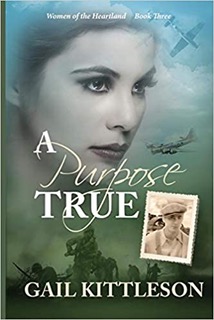
Meet Kate Isaacs from Gail Kittleson’s A Purpose True

Good morning, Miss Isaacs.

Just call me Kate. Actually Iโ€™m Mrs., but my husband โ€ฆ he was a pilot in the Royal Air Forceโ€ฆ

Is that a tear glinting?

Oh dear. Did you lose him in the war?

         Yes, and long story short, thatโ€™s why Iโ€™m here. 

A familiar tale these daysโ€”so many widows want to do their bit for the war effort. 

         Absolutely.

Iโ€™ve been told a little about you, that you and your husband eloped, and you searched for him throughout Londonโ€ฆ

         And found himโ€”we had a brief Christmas together, and then โ€ฆ

Your superiors say youโ€™re sharp-witted and well read. Tell me about your backgroundโ€ฆyour formative years and education. 

My Aunt provided so well for me. She had great aspirations for my future, but Iโ€™m afraid I disappointed her. Alexandre and I were rash to run off and marry, but Iโ€™ve always been impetuous. 

So you grew up in a small Midwestern town?

Yes, in Iowa, although I was born out on the East Coast just after the Great War. I still have a best friend there named Addie. We had great teachers, especially in literature class. Mrs. Morford did so much to instill a love of learning in us. 

Sounds idyllic, but we all have our โ€˜druthers, donโ€™t we? If there were one thing about your childhood you could change, what would it be? 

Iโ€™d have a normal childhood, with my mother and father alive and well. I have only the vaguest memory of them, you know.โ€ 

How did you lose them? 

In an airplane crash when I was very young. Itโ€™s all quite mysterious. I remember a woman taking me to my aunt in Iowa and that it all had something to do with the Great War, but doubt Iโ€™ll ever discover the truth. 

And now you are bound for service with the Secret Operations Executive? You must be very brave, indeed.

Or foolhardyโ€”thereโ€™s only a fine line between the two. However, you know quite well that Iโ€™m unable to disclose any other specifics. 

Indeed. But I am aware that you and your comrades have learned to parachute behind enemy lines. How did you like that portion of your training?

         Oh, it was the best! What a thrill to sail through the air, even for such a short time.

My, my, but you are adventurous! Does your friend Addie like wild escapades, too?

Not at all, yet sheโ€™s still courageous in her own way. You might say weโ€™re polar opposites, but still find so much in common. Addieโ€™s all the family I have now.

What a wonderful friendship! Oh, I see our time is up. Godspeed and a safe return to you.

A Secret Agentโ€™s Inner Life

On the outside, Kate Isaacs, the heroine of A Purpose True and With Each New Dawn, strikes us as an inveterate risk-taker, a woman able to do anything. She wastes no time pondering proposed actionsโ€”sheโ€™s too busy doing something! At first glance, she wastes not a moment watching life pass her by, and we applaud her โ€œgo for itโ€ attitude.

People are drawn to this sharp-witted, well-read young woman. She eloped with her husband straight out of high school, followed him to London after his Royal Air Force plane was downed, and searched for him far and wide. Nothing can stop her. 

But I caught her in one of her quieter moments and posed a simple question. โ€œIf you could change one thing about your life, what would it be?โ€ Her immediate response revealed a vast, yawning hunger in her soul. 

โ€œIโ€™d have a normal childhood, with my mother and father alive and well.โ€ 

Ah…when I was writing Kateโ€™s story, the old spiritual, โ€œSometimes I feel like a motherless child…โ€ never entered my mind. But looking back, itโ€™s clear that the huge hole in Kateโ€™s emotional being helped shape her into the adult sheโ€™s become.

Her mentor back in London warned her that waiting for an assignment would trouble her, and her sojourn as a secret agent in Southern France provided plenty of solitary times. During those periods when she had little control over anything, her motherโ€™s face appeared from photos Kate had seen, and the reader finds her carrying on a conversation with this woman who gave her birth and died during Kateโ€™s early childhood. 

         Kelly McDaniel, LPC, writes: โ€œHope Edelmanโ€™s book Motherless Daughters…offers help for women who experience early maternal death… โ€˜at some very deep level, nobody wants to believe that motherless children exist. …in our psyches …mother represents comfort and security no matter what our age.โ€™ Italics mine.โ€ https://kellymcdanieltherapy.com/wp-content/uploads/MotherHungerExplanation.pdf

         Kate may seem independent and in charge, but the look in her eyes tells another story. When all is said and done, when sheโ€™s avoided the Gestapo again in a heart-pounding near-disaster, when sheโ€™s all alone in an isolated cave and the future seems so tenuous, this mother hunger rises from a place deep within. 

         But itโ€™s World War II, and no therapist or support groups exist. Kateโ€™s role often demands solitude. In these honest moments when her hunger envelops her, she confronts her great need. She speaks with her mother…declares her longings out loud. And sometimes, in a way she finds difficult to verbalize, she senses her mother near. 

         Each confrontation of her deepest fears increases her breathing space a tiny bit more. As she risks her life for the freedom of la France, her own freedom grows, as well. This universal premise rings true for us allโ€”facing our fears, though itโ€™s terrifying, strengthens us in ways we could never have imagined.

Writing has always been Gailโ€™s passion. Her Women of the Heartland series honors make-do Greatest Generation women who sacrificed so much for the cause of freedom. 

Gail and her husband live in northern Iowa and retreat to Arizonaโ€™s Mogollon Rim Country in winter. They also enjoy grandchildren and gardening. Itโ€™s no secret why this  late-bloomer calls her website DARE TO BLOOM, and she loves to encourage other writers through facilitating workshops. 

A Chat with Geoffrey Hagan of Down to the Potter’s House by Annette Valentine

Taking us to the idyllic town of Elkton, Kentucky for a behind the scenes chat with Geoffrey Hagan of Down to the Potterโ€™s House by Annette Valentine:

Mr. Hagan, it is certainly a pleasure to speak with you again about folks in Todd County. Last time we chatted, our conversation was mostly about your son, Simon. What can you tell us about his returning to his roots and how that might have changed him? 

Now that question brings me a smile and a mighty fine chuckle as well. You see, Simon met a young woman within days of his return to Elkton. Yessiree! Gracie Maxwell was a head-turner alright, and my son took a right-quick liking to her. It appeared they might be made for each other, but Gracie had some commitments and a pretty hard head to go with them if you know what I mean. Darned near broke Simonโ€™s heart. Iโ€™m not saying I stepped in, playing God or getting in His way, but I did have to do what a father has to sometimes do to help matters.

Itโ€™s intriguing to see two people who have fallen in love needing to find a way to overcome or sidestep commitments. You indicated Miss Maxwell might have had to face some obstacles. Would you comment?

Of course. Elktonโ€™s a small town. Towns donโ€™t get any better than Elkton, Kentucky. Folks know other folksโ€™s business and knowing about your neighbors and friends has its up side and its down side. The Maxwells are a good family. Gracie grew up on a fine stretch of tobacco land just south of town, and Iโ€™ve known her father for yearsโ€”a senator and a gentleman involved in breeding Thoroughbred horses, racing, and such. But it only takes one bad seed to grow a bunch of weeds. Gracie had to make her peace with some weeds, and her commitments to outgrow them was highest priority. 

Would you say your son, Simon, made a worthwhile decision returning to Elkton?

If I were to choose the direction for my child, Iโ€™d want it to include a place where foundational strength can be nurtured. No one town or location is single-handedly gonna provide what a person requires for lifeโ€™s journey, but folks around here still respect others and value decency. Simon had those qualities reinforced when he came back, and Gracie Maxwell played a mighty big role in helping him embrace a life worth living.  

Iโ€™m curious about a relationship that has such power. Was Gracie out of the ordinary in some way?

Ah! You mayโ€™ve touched on something there! That gal definitely has a power source most of her family canโ€™t hold a candle to. Donโ€™t misunderstandโ€”the Senator has plenty but compromise can undermine strength in a heartbeat. Itโ€™s always interesting to see who has real strength when push comes to shove, and Gracie is out of the ordinary for sure.    

Once again, Mr. Hagan, itโ€™s been a pleasure speaking with you.

Annette Valentine’s novel “Down to the Potterโ€™s House” (Morgan James, November 2020) is a 1921-1942 historical tale set on a tobacco farm turned racehorse breeding stable in rural Kentucky, and follows the tenacious Gracie Maxwell to higher ground as she climbs and never stops. A fast-moving novel of romance and redemption, intrigue and revenge, the book showcases a finely-tuned protagonist who grows from naive schoolgirl to committed missionary to loving wife and mother. Written in an exquisite style, “Down to the Potterโ€™s House” is an astute study of the contrast between good and evil inside an extended family.

Annette Valentine is an inspirational storyteller with a flair for the unexpected. By age eleven, she knew that writing was an integral part of her creative nature. Annette graduated with distinction from Purdue and founded an interior design firm which spanned a 34-year career in Lafayette, Indiana and Brentwood, Tennessee. Annette has used her 18-year affiliation with Toastmasters International to prepare her for her position with the Speakersโ€™ Bureau for End Slavery Tennessee and is an advocate for victims and survivors of human trafficking and is the volunteer group leader for Brentwood, Tennessee. Annette writes through the varied lens of colorful personal experience and the absorbing reality of humanityโ€™s search for meaning. Mother to one son and daughter, and a grandparent of six amazing kids, Annette now lives in Brentwood, a suburb of Nashville, Tennessee, with her husband and their 5-year-old Boxer. To learn more about Annetteโ€™s life and work, please visit https://annettehvalentine.com

Introducing Lieutenant William Prescott from Nothing Short of Wondrous by Regina Scott

Welcome to Novel PASTimes! We are pleased you stopped by today, Lieutenant Prescott. Hm, William Prescott. Wasnโ€™t that the name of a famous Revolutionary War hero?

It was. Though heโ€™s no relation, I was given his name. Growing up near Boston, I knew I was destined to serve in the military, even after my father was killed in the Civil War.

And so you joined the Cavalry. Where have you served? 

The Pend Oreille country, Fort Walla Walla, the Presidio in San Francisco, the Arizona frontier. Oregon.

Is there something special about Oregon that made you hesitate just now?

Itโ€™s not something Iโ€™m proud of. Iโ€™ve done all I can to atone for that time. Right now, Iโ€™m serving in Yellowstone, our nationโ€™s first national park. The government called in the Cavalry when civilian superintendents lost control of the area. They say we wonโ€™t be here long, but I donโ€™t see how we can leave. There are wildfires raging through parts of the park, vandals harming the natural wonders, and poachers after the game. 

But itโ€™s millions of acres. How can one Cavalry troop cover all that?

Itโ€™s not going to be easy, especially since we have been given only one guide. Thatโ€™s why I made a bargain with Kate Tremaine at the Geyser Gateway Inn. She knows this land better than most. Sheโ€™s going to help me and my men understand and protect the park. In exchange, Iโ€™ll help her with some of the tasks around the hotel. It canโ€™t be easy being a widow with a young son out here.

I imagine not. She must have her hands full running one of the busiest hotels in the park.

You ought to see her. Every inch of that hotel shows the mark of her work. More, sheโ€™s warm and welcoming to everyone who stops by, shares everything she knows about this amazing park. Sometimes I wonder whether the government shouldnโ€™t have just put her in charge.

Sounds like you admire Mrs. Tremaine.

More than words can say. 

Interesting. Is the admiration mutual?

How can it be? Iโ€™ve no right to expect admiration, not after what Iโ€™ve done. But sometimes, when she looks at me, I see something more, something that makes me want to be the kind of man she could admire, the kind of man who could be a good husband and father.

So, what are you going to do?

I wish I knew. I have my hands full with leading my men and trying to find a poacher whoโ€™s vowed revenge against us all. But you can learn more about me and Kate Tremaine in Regina Scottโ€™s Nothing Short of Wondrous.

Thanks for allowing us to get know you a little better!


Regina Scott is the author of more than 50 works of warm, witty historical romance, including A Distance Too Grand. Her writing has won praise from Booklist and Library Journal, and she was twice awarded the prestigious RT Book Reviews best book of the year in her category. A devotee of history, she has learned to fence, driven four-in-hand, and sailed on a tall ship, all in the name of research. She and her husband of 30 years live south of Tacoma, Washington, on the way to Mt. Rainier.

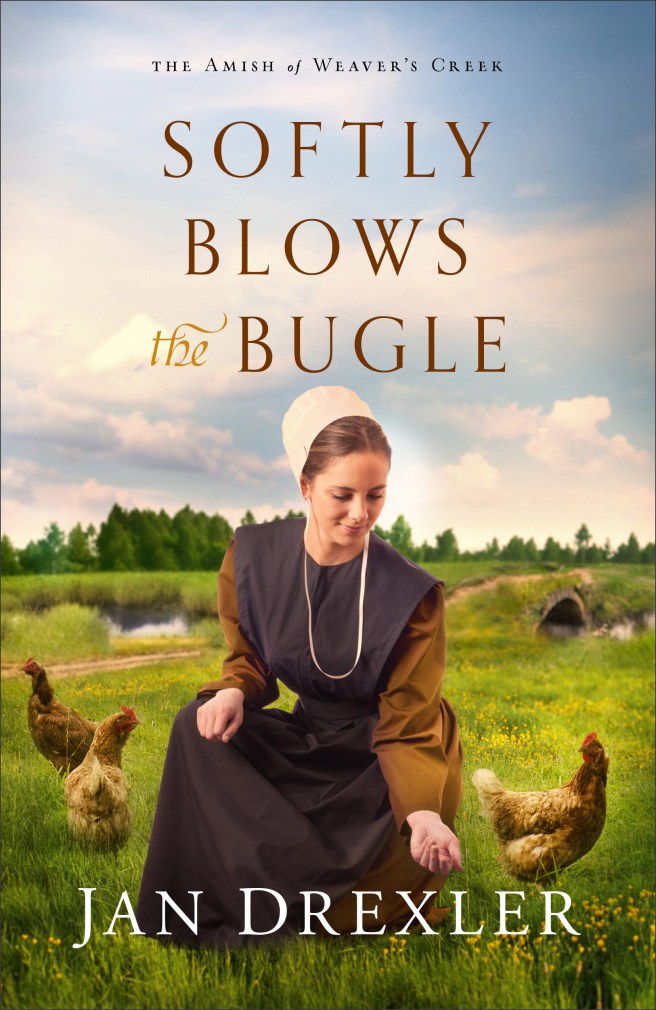
Meet Ruby Weaver from The Roll of the Drums by Jan Drexler

Welcome to Novel PASTimes! We are pleased you stopped by today.

Help us get to know you โ€“ What do people notice about you when they first meet you?

It has to be my red hair. Not just red, but wiry and curly. It never lies flat and never does what I want it too. Especially on humid days! Most Amish women have straight brown hair that lies smoothly under their kapps. My hair is always in my way.

What would someone notice about you after they learn to know you?

That Iโ€™m not the typical Amish woman. I donโ€™t like to do quiet things like quilting or sewing. Iโ€™d rather be working outside. I like the open sky, and the wind blowing, and the smells of the earth. I enjoy spending a day in the woods hunting for a bee tree or an evening watching the stars come out.

Tell us about your family and where you live.

I donโ€™t think my family is anything special. After all, weโ€™re much like the other families in our community. My grandparents settled along Weaverโ€™s Creek here in Holmes County, Ohio in the early 1800โ€™s. They were the first Amish settlers here. I remember Grossmuttiโ€™s stories of bears and other wild animals in the forest, but now, sixty years later, this is a peaceful and settled area.

In my family I have two brothers, one older and one younger, and three sisters. Two of my sisters are married and live away in Berlin Township. My younger sister is my best friend. Weโ€™re having fun keeping house together while her husband is away fighting in the War Between the States.

You said your sister is your best friend. Who are your other friends?

I didnโ€™t have any other close friends until recently. The girls I grew up with have all married and are busy with their husbands and children. Since I donโ€™t plan to marry, we have even less in common than we did when we were growing up.

But when Gideon and Lovinia Fischer came to Weaverโ€™s Creek, I found a kindred spirit in Lovinia. I long for the day when she finally recovers from her illness and we can do more than sit in her sickroom and visit. She is a true friend and I love her dearly.

You made an interesting comment earlier, that you donโ€™t plan to marry. I thought all Amish girls wanted to get married.

Thatโ€™s probably true. Every girl I know wants to marry and have a family. But in my experience, most men โ€“ except for my Datt and my brothers, and maybe Loviniaโ€™s husband Gideon โ€“ are selfish pigs who only think about themselves. I had a bad experience with a boy when I was younger, and then I see my sister Elizabethโ€™s unhappy marriage. Iโ€™m not going to take a chance on any man when things can turn out so badly. 

There I go, being too outspoken. Itโ€™s a good thing I donโ€™t plan to marry because I canโ€™t think of any man who would put up with my temper and my opinions. Mamm says that both of those things go with my red hair!

If you could change anything about yourself, what would it be?

I would be careful to think before I speak. Mamm is so wise and good. Everyone comes to her for advice and help. Iโ€™ve never heard her say anything unkind and she is always patient, even when Salome Beiler is visiting.

There I go again! I should never have said that about Salome, and yet I canโ€™t seem to stop myself. Forget I said anything, please.

But back to your question, if I could change anything about myself, I would want to be more like my mother. She is as strong-willed and opinionated as I am, but she tempers it with a gentle spirit. I canโ€™t seem to learn to do that.

What is your heartโ€™s deepest desire?

Even though I say I will never marry, I would marry the right man if I could find him. All I want is to meet a man who will love me for who I am and not try to change me. Is that too much to ask? 

What are you most afraid of?

I did something very stupid when I was younger, and because of me, Elizabeth married the wrong man. I didnโ€™t realize how much influence my actions and my words would have on her. My greatest fear is that another younger girl would follow my stupid, sinful life. I donโ€™t fit in with the others at church, and thatโ€™s all right. Iโ€™m used to it. But I fear that someday one of my nieces or another girl will think that kicking the goads is a good thing to do. I fear that I will unknowingly influence one of those girls to be like me.

What do you think your future holds?

I hope I will spend the rest of my life surrounded by my family and friends. I would like to watch Loviniaโ€™s children grow, and to reach the end of my days being useful to them and to my nieces and nephews.

Thanks for allowing us to get know you a little better!

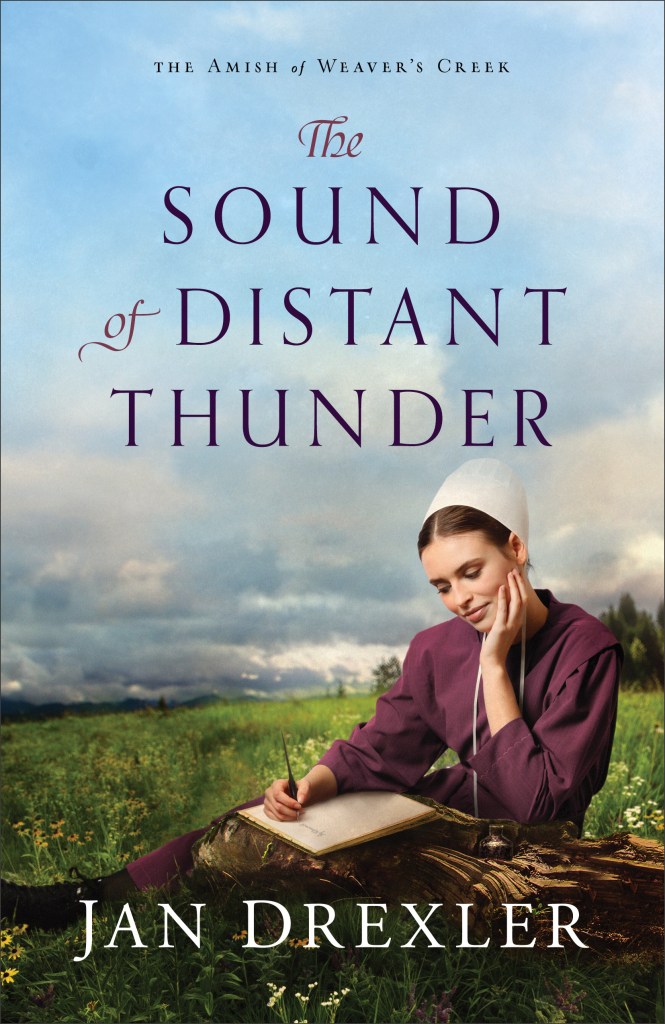
About the Author Jan Drexler brings a unique understanding of Amish traditions and beliefs to her writing. Her ancestors were among the first Amish, Mennonite, and Brethren immigrants to Pennsylvania in the 1700s, and their experiences are the inspiration for her stories. Jan lives in the Black Hills of South Dakota with her husband, where she enjoys hiking and spending time with her expanding family. She is the author of The Sound of Distant ThunderThe Roll of the DrumsHannahโ€™s ChoiceMattieโ€™s Pledge (a 2017 Holt Medallion finalist), and Naomiโ€™s Hope, as well as several Love Inspired historical novels. 

Interview with The Love Noteโ€™s Willa Duvall by Joanna Davidson Politano

Welcome to Novel PASTimes! We are pleased you stopped by today.

Iโ€™m honored to speak with you!

We heard youโ€™ve found a love letter in an old deskโ€”what are you going to do with it?

Reunite two lovers, of course. Anyone who writes that way deserves to be united with the person who inspired such words. This is no ordinary love story, and I intend to see it throughโ€”as long as it isnโ€™t too late, that is. I cannot bear for the person who wrote that letter to wonder why he or she never responded. Itโ€™s been buried in a crack of my old desk for who knows how long, and itโ€™s still sealed. Someone needs to fix it, and the letterโ€™s in my hands, so it falls to me. The world is sorely lacking in authentic love, and Iโ€™ve found it in this letterโ€”such love should never go to waste.

You do, however, seem like a rather unlikely candidate. What interest does a medical professional have with family drama and old, broken romances?

Thereโ€™s no one more perfect to find that letter than me. As a soon-to-be-doctor, Iโ€™m in the business of mending. Nothing moves me more than repairing whatโ€™s broken, whether its bodies or love stories. Besidesโ€”and donโ€™t print this–Iโ€™ve turned down four proposals, so Iโ€™ve had a bit of experience in love. I may be a scientist, but Iโ€™m deeply fascinated by love storiesโ€”as long as theyโ€™re not my own. 

What started you down the path of medicine?

My father serves as a doctor, and Iโ€™ve had the opportunity to learn from him and his progressive thinking on medical care. As Iโ€™ve grown, Iโ€™ve discovered I have a unique combination to bring to the medical worldโ€”the education of a man and the keen perception, the warm heart, of a woman. Thereโ€™s a huge lack in the medical world, and I can help fill it. People are dying who neednโ€™t perish. Every time I think of the lives written off by an overworked doctor or a contaminated hospital, I can think of doing nothing else with my life. 

Weโ€™ve heard your next assignment is a long-term one at Crestwicke Manor, serving one Golda Gresham. How does this fit into your goals for the future?

Crestwicke is exactly where I need to be. You see, I signed a contract with my father that if I can successfully complete one nursing assignment, heโ€™ll lay off pushing me into a match. Heโ€™ll let me pursue a medical degree, as long as I can find a school to take me on. I have agreed to marry the man of his choosing, should I fail. But I never fail. 

Then there is my other goalโ€”the love letter. The desk where I found that letter came from Crestwicke, and the manor house is mentioned in the lines. The person who wrote it has to be there, and I will not leave until I find out who it is, and who he or she wrote the letter for.

Lady Gresham has a reputation for being demanding. How can you be so certain of your success?

I have a habit of taking on the impossible, so her reputation does not deter me. Iโ€™m a capable practitioner, and I have no reason to believe I cannot resolve her complaints, whatever they may be.

To be honest, I find the letter more of a challenge. There is not a single person at Crestwicke with even a trace of romantic flavoring to them. Who could have written such a letter? How will I ever find the truth? Iโ€™ll have to use my medical skills of observation and digging to the heart of a matter to unearth the truth of what went on in that house. Certainly someone there wrote the letterโ€”and someone else earned the writerโ€™s love. If thereโ€™s an ounce of authentic love in that house, Iโ€™ll find it and fan it into a flame.

What is your biggest fear as you embark on this project?

The same thing I fear in every patient visitโ€”that Iโ€™ll fail. Iโ€™m afraid of failing those who depend upon me as a doctor, failing to notice or investigate or understand, fail to keep myself out of an obligatory marriage and lose myself in the process. I have so much riding on this assignment, but Iโ€™ve had so many casesโ€”what could possibly go wrong?

Thanks for visiting with us today!

Joanna Davidson Politanoย is the award-winning author ofย Lady Jayne Disappears,ย A Rumored Fortune, andย Finding Lady Enderly. When sheโ€™s not homeschooling her small children, she spends much of her time spinning tales that capture the colorful, exquisite details in ordinary lives. She is always on the hunt for random acts of kindness, people willing to share their deepest secrets with a stranger, and hidden stashes of sweets. She lives with her husband and their two children in a house in the woods near Lake Michigan and shares stories that move her at www.jdpstories.com.

Meet Brandulf Rex from Bryan Litfin’s The Conqueror

Welcome to Novel PASTimes! If I may, Iโ€™d like to ask some questions to get to know you.

Very well. As long as you are not a spy of Maxentius.

First, please tell us something about where you are from.

I am the son of a warrior, King Chrocus of the Alemanni. Our homeland is far away along the Rhenus frontier with the Romans, in the region they call Germania. My mother is an innkeeper in Britannia โ€“ beloved to my father, though not his queen. For some years, I sojourned in that rainy land at Eboracum, near Hadrianโ€™s Wall. But then I entered the legions, and my parents were lost to me.

Is there anything special about your name? Why do you think you were given that name?

My name has two partsโ€”one Germanic, the other Latin. My father named me Brandulf, predicting that I should have the skill of a swordsman and the character of a wolf. Many friends have agreed with thatโ€”and some enemies, too, as the light dimmed from their eyes.

When Constantine sent me to the army school to train as a speculator for the legions, the other cadets learned that my father was a king in Germania. So they called me Rex, which means โ€˜kingโ€™ in Latin, more to make fun of me than to affirm me. But perhaps some day they shall bow before me and recognize my lordship in truth!

Do you have an occupation? What do you like or dislike about your work?

I am a soldier of Rome, yet no ordinary legionary. The speculators are the scouts who operate behind enemy lines. We are elite forces who know the ancient art of pankration, the Greek method of fighting and wrestling that no man can withstand. We are expert with the lance and the sword and bow. The most skillful burglars are spared from crucifixion so they can teach us to infiltrate buildings unseen. We are masters of disguise and experts in the assumption of secret personalities. No army in human history has had elite operatives like us. That is why Rome rules the world. And Constantine is its rightful lord.

Who are the special people in your life?

There are none. I let no one draw near.

Surely there must be someone.

Well, I will admit that Lady Junia Flavia has become a friend. A kind of confidante, I suppose you could say. Perhaps like a sister. Yes, like a sister, and nothing more.

Not a romantic relationship?

Surely not! Although, I will sayโ€”

Go on . . .

She is beautiful. That, I cannot deny. She attracts me. No man thinks that way about his sister.

Tell me about her.

Flavia is the daughter of a senator, descended from an ancient and noble family of Rome. Her wealth and status are the opposite of my own humble background. Yet between us, that does not matter. Our friendship transcends such things. The same is true of our religions. I am a follower of Hercules, a mighty hero and conqueror. Hercules is the Roman form of our god, Thor. But Flavia follows the Christian god. He is called Jesus, and his way is peaceful. Clearly, such a god could not be for a man like me. Yet he fits well in Flaviaโ€™s world. The Christians are good people, wrongly hated by the Romans.

But you would never convert to Christianity?

I think not. It would require bowing my knee to Jesus the Christ. You know what the Christians say? โ€œJesus is Lord.โ€ Well, I will tell you this: Brandulf Rex has no lord but himself! Christianity is a religion for a different kind of person than me. And yet . . . 

Yes?

There is something that I like about their Jesus. I cannot define it. He intrigues me. I shall say no more.

What is your heartโ€™s deepest desire?

I would never reveal that to someone unknown, lest it be used against me.

Just give me a general idea.

Fine. To serve Constantine as a faithful soldier. To rise in the ranks, gain victory in battle, and retire with military honors. Then I shall live somewhere along the Rhenus, perhaps along its upper reaches near the Alps. I shall marry and have children, and be happy.

What kind of woman would you marry?

Someone like Flavia, I suppose. Someone with her sweetness, her wise insights, her bravery in the face of adversity. Beautiful, as well. Captivating, one could even say. But not Flavia herself, of course. That would be strange. She is noble, and I am merely a common warrior. It could never happen. She would not want such a thing.

What are you most afraid of?

I do not understand your question.

Alright, letโ€™s move on. Do you have a cherished possession? 

Look at this pendant around my neck. It was given to me by Constantine when I embarked upon his mission. Do you see the sign of the cross? It is a Christian symbol. Because I wear this amulet, I believe the god Jesus protects me, along with Hercules, too. They are the same god, I suspect. Perhaps also Apollo. And Sol Invictus, the Unconquered Sun.

The Christians would never agree with what you just said.

Definitely not! Flavia would rebuke me for such a statement. I surely do not understand those Christians. Everyone knows there are many gods! How can there be just one? Only the Jews believe such a thing. I am very curious about this new faith. I think it will benefit many people, except those of us in the army, who need a the patronage of a victory god.

Is there anything else youโ€™d like people to know about you?

As the years go on, the name Brandulf Rex will be one of renown in the empire. My sword is strong, and the arm that wields it is even stronger. Yet I am no tyrant! My sword is not to be used for domination. I will be known as one who fights injustice, who protects the downtrodden and the weak. These things I believe about myselfโ€”and I know them to be true even more so now than in years past.

How come?

Because Flavia has affirmed them in me. She says that she sees these traits too. She wishes that my abilities could be brought into the service of her catholic church. 

But that will never happen?

No one knows the future except the gods.

Thanks for allowing us to get know you a little better! 

Farewell. And as you go, let me advise you: you can read more about me and my story inย The Conqueror,ย releasing October 2020 from Revell.ย 


Bryan Litfinย is the author of the Chiveis Trilogy, as well as several works of nonfiction, includingย Early Christian Martyr Stories,ย After Acts, andย Getting to Know the Church Fathers. A former professor of theology at the Moody Bible Institute, Litfin earned his PhD in religious studies from the University of Virginia and his ThM in historical theology from Dallas Theological Seminary. He is currently an acquisitions editor for Moody Publishers. He and his wife have two adult children and live in Wheaton, Illinois. Learn more at www.bryanlitfin.com.

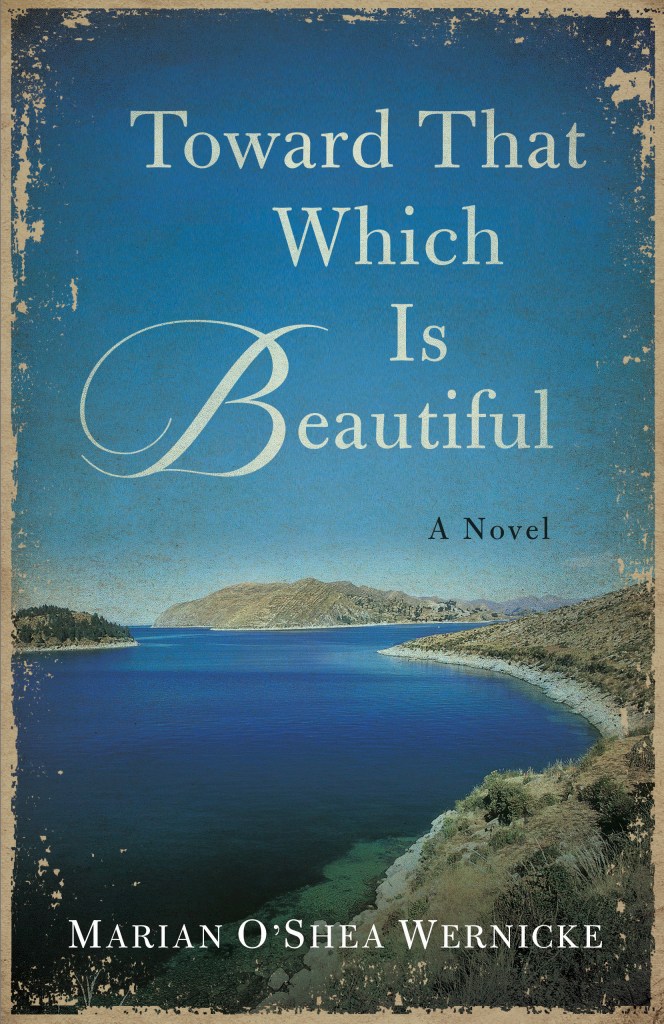
Meet Sister Mary Katherine (Kate O’Neill) from Marian Oโ€™Shea Wernicke’s Toward That Which is Beautiful

ย ย ย ย ย ย ย ย ย ย ย ย ย ย ย ย ย ย ย ย ย ย ย ย ย ย ย ย ย ย ย ย ย ย 

In a small town in Peru in the summer of 1964, Sister Mary Katherine, a young American nun, walks away from her convent with no money and no destination. Desperate in thisย foreign place and afraid of her feelings for an Irish priest, she spends eight days on the run, encountering a variety of characters and situations along the way. As Kate traverses thisย dangerous physical journey through Peru, she also embarks upon an interior journey of self-discovery โ€” oneย thatย leads her somewhere she never could have expected.

What is your name and where did it come from?

My name now is Sister Mary Katherine, O.P.  This is the name I chose when I became a novice in the Dominican community of sisters outside of St. Louis, Missouri. My former name was Kate Oโ€™Neill, given to me by my proud Irish American parents, and the name I secretly still think of as my real name.  

Tell us something about where you are living now.

For the past months, I have been living in the parish convent of the small town of Juliaca in the highlands of Peru. We are near beautiful Lake Titicaca, the highest lake in the world at 12,000 feet. The air is thin due to the altitude, and nights are cold, but the sunshine is bright and hot during the day. Sometimes I am breathless when I try to run or climb stairs too quickly. From my bedroom window on the second floor of the convent, I can glimpse the snow-covered peaks of the Andes in the distance.

Why did you become a nun?

I grew up going to Catholic schools in St. Louis where the Sisters of St. Joseph were our teachers. One sister especially drew me to this life.  Her name was Sister Helene, and she was my favorite teacher. She was young and happy, quite pretty and lots of fun.  She made me see that a life given totally to God and others could be full of joy and fulfillment. So ever since sixth grade, I had the secret feeling that God wanted me to be a sister. I tried to fight this vocation in high school when I found myself becoming boy crazy, as we used to say, but eventually I decided to surrender to this calling. 

What do you like and dislike about your work now in Peru?

I love the children I teach and the teenagers I meet with once a week after school. These are Quechua- speaking kids who know very little Spanish, and who are just learning to read and write.  My job is to teach them Spanish and religion.  When I am teaching religion, I have a translator in the room, a young Quechua woman, who also knows Spanish.  The children are very hard working from an early age on, helping their parents in the fields and caring for the babies. In the classroom they are quiet, rarely saying anything, but their eyes light up when I tell them stories about Jesus and when they learn new words in Spanish. 

I dislike very much the fact that I do not speak Quechua. Also I do not know the culture nor the history of the people.ย ย I should have studied these things before I came to Peru, not just Spanish. Iโ€™m having to stumble through with too little preparation.

What are you most afraid of?

Right now I am most afraid of my feelings.  You see, I find myself falling in love with one of the priests I work with here in the parish.  Heโ€™s a fine priest, and I donโ€™t want to disturb his vocation.  Iโ€™m trying to be true to my vows. 

What is your heartโ€™s deepest desire?

I want to love God above all things, but I also want a deep human love, not just a general love for all people.  How do I reconcile these two desires as a nun?

What are you learning about yourself during this time in Peru?

Iโ€™m learning that I am not as stable as I thought I was.  Iโ€™m seriously considering running way. I need time and space.  I need to figure out who I really am.  Wish me luck, please. 


Born and raised in an Irish Catholic family in St. Louis, Missouri, Marian Oโ€™Shea Wernicke is the eldest of seven children. She was a nun for eleven years and spent three years working in Lima, Peru, during that time. She is a former professor of English and creative writing at Pensacola State College and the author of a memoir about her father called Tom Oโ€™Shea: A Twentieth Century Man. She also coedited and contributed to an award-winning book of short fiction and memoir called Confessions: Fact or Fiction

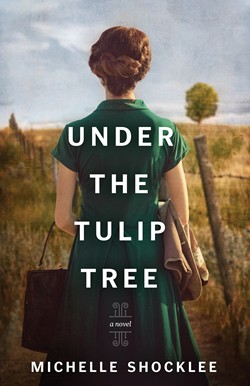
A Candid Talk with Frankie Washington and Rena Leland from Michelle Shockleeโ€™s Under the Tulip Tree

Welcome, ladies. Tell us how you became friends. 

Frankie: It began when I received a letter from the govโ€™ment wanting to hear my stories about being a slave. I thought they was fooling with olโ€™ Frankie. Why would anyone care about such things in 1936? But sure enough, one day this pretty gal arrived on my doorstep with a list of questions a mile long. 

Why was the government collecting stories about slavery seventy years after the Civil War ended?

Rena: I think there are two reasons. First, when the stock market crashed in 1929โ€”on my sixteenth birthday, no lessโ€”a terrible depression hit the economy. Millions of people lost their jobs, including my dad. President Roosevelt hoped to help people get back to work by creating jobs through the government, and one of those organizations was the Federal Writersโ€™ Project. Because Iโ€™d worked for a newspaper, I was hired by the FWP to interview former slaves for a project they called the Slave Narratives. People like Frankie were getting olderโ€”sorry, Frankie, I donโ€™t mean to say youโ€™re old.

Frankie: Child, Iโ€™ve seen 101 birthdays. If that ainโ€™t old, I donโ€™t know what is. {chuckles}

So, the government wanted to preserve the stories of former slaves? Why are they called narratives?

Rena: Yes. Like Frankie said, when I arrived at her house, I had a list of questions Iโ€™d been given by the FWP director in Nashville. My instructions were to ask the questions and then record the intervieweeโ€™s answers word-for-word. Thatโ€™s what makes the narratives so special, in my opinion. They are the words of the person who actually lived them out. 

Was it difficult to revisit the dark days of slavery, Frankie?

Frankie: It was, but the Lord helped me. I know itโ€™s important that our stories arenโ€™t forgotten. Slavery might not be legal nowadays, but thereโ€™s still a lot of problems left over from slavery times. I have hope that people like Rena and her young man, Alden, will be the ones to bring about change. 

Rena, did you know much about slavery before you met Frankie?

Rena: Iโ€™m ashamed to say I didnโ€™t. Even though Iโ€™d grown up in Nashville and had studied about the Civil War in school, I donโ€™t remember learning much about the evils of slavery. When I heard Frankieโ€™s story, I knew there were thousands of others like it that needed to be told. People of my generation and the generations to come shouldnโ€™t forget about slavery. Iโ€™m thankful it isnโ€™t legal to own a fellow human being anymore, but, like Frankie said, there is still a lot of work that needs to be done in order for everyone to have equal rights.

Frankie, youโ€™ve shared that youโ€™re 101 years old. Youโ€™ve seen a lot in your lifetime. What are some of the most memorable events you recall?

Frankie: Gracious, thereโ€™s so many. I remember hearing the news that President Lincoln had been killed. Sam and I cried our eyes out, โ€™cuz he was a good man. I remember when the first black senator was electedโ€”Hiram Revels of Mississippiโ€”five years after the war ended. I didnโ€™t think Iโ€™d live to see such a thing. I believe itโ€™s good to have different kinds of folks running the govโ€™ment. Kinda give them a more complete perspective on things. I remember seeing a car for the first time and hearing a manโ€™s voice coming from a wooden box called a radio. Those are some mighty amazing inventions, and I โ€™spect there will be more to come long after Iโ€™m gone home to heaven. 

If you could go back in time and change something about your life, what would it be?

Rena: I wish I could stop the stock market from crashing, because it caused so much pain for so many people. But, admittedly, I wouldnโ€™t have met Frankie if I hadnโ€™t taken the job with the FWP, and I took the job because my family needed the money. I also wouldnโ€™t have met Alden.

Is he someone special?

Rena: Yes, heโ€™s become quite special to me. He also works for the FWP.

Frankie: This might come as a surprise to you all, but I wouldnโ€™t change anything about my life, not even being a slave. God didnโ€™t make me a slave, but he was with me as I lived as one. Back in the Old Testament, his chosen people were slaves in Egypt for four hundred years. That doesnโ€™t make slavery right, but it tells me God has bigger plans than what I can see in my present circumstances. Like Rena said, if I hadnโ€™t lived the life I lived, I wouldnโ€™t have met my Sam or her. 

What do you hope your friendship with one another will inspire in others when they read about it?

Rena: I hope it will inspire people like me and my family to get to know people like Frankie and her family. Iโ€™d always been warned to stay away from the neighborhood of Hellโ€™s Half Acre because it was dangerous, so you can imagine how surprised I was to find this dear woman had lived there most of her life. Too often we make judgments about people and places without knowing the full story. I canโ€™t imagine my life without Frankie in it. 

Frankie: I agree. Unfortunately, the same can be said for folks down in the Acres. We make judgments about people who are different from us, just like anyone else. My hope and prayer is one day weโ€™ll all simply love one another as Jesus commanded in Matthew 22:39. Wouldnโ€™t that be something?  

Thank you, ladies, for sharing your hearts with us.


Michelle Shocklee is the author of several historical novels. Her work has been included in numerous Chicken Soup for the Soul books, magazines, and blogs. Married to her college sweetheart and the mother of two grown sons, she makes her home in Tennessee, not far from the historical sites she writes about. Visit her online atย michelleshocklee.com.ย ย 

Photo credit: Author photo taken by Jodie Westfall, copyright ยฉ 2012. All rights reserved.

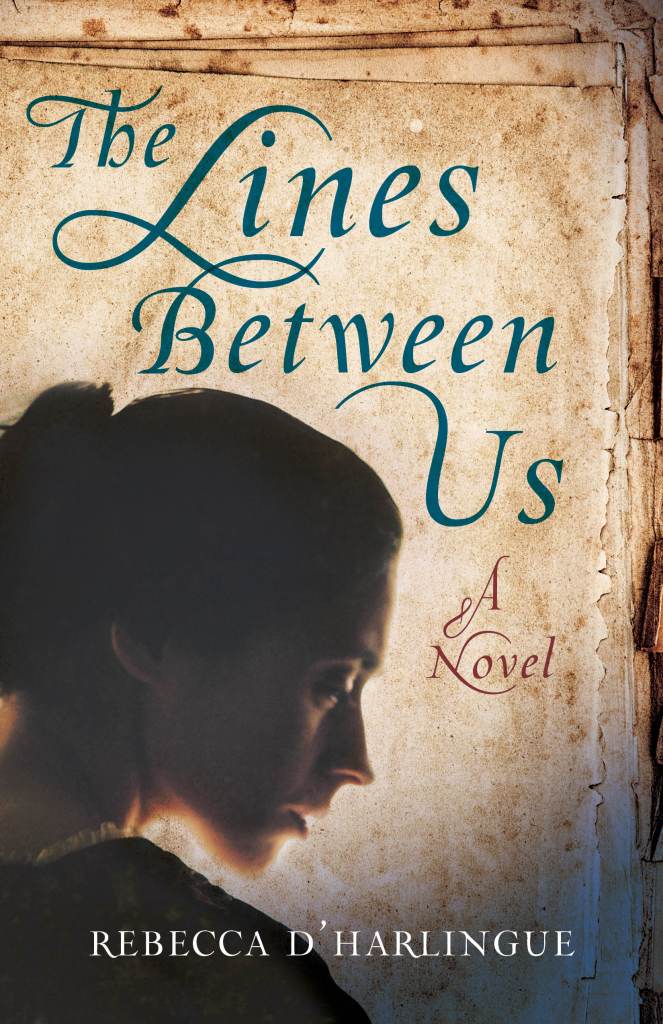
Meet Ana and Rachel from The Lines Between Us by Rebecca Dโ€™Harlingue

NPT: Welcome! Today we have a guest interviewer, Rachel Pearson Strand, from The Lines Between Us, in conversation with co-character Ana Torres Lรณpez.

Rachel: Ana, Iโ€™m so excited to be able to talk to you today! I know so little about you, but yours was one of two names that my mother spoke on her deathbed. When I later found her papers, there was still only the letter you wrote to your niece, Juliana, whose diary I also found.

Ana: Thank you, Rachel. I am also grateful for this opportunity to speak with you, without the encumbrances of temporal or geographic limitations.

Rachel: Yes, I live three centuries after you, and in a place that you would have generally referred to as the New World.

Ana: My dear husband had a particular interest in the New World, and so I am curious about that faraway land.

Rachel: Well, Spain doesnโ€™t seem as far away to us now as it would have been in your time. Despite the difficulties, though, your niece, Juliana, managed to make the journey, and that is how I know anything at all about you or her.

Ana: I understand that you found a diary of hers, isnโ€™t that so? I also discovered a journal that she had kept hidden in her desk in my brotherโ€™s home here in Madrid. Until she wrote to me years later, however, I never knew what had become of her after she disappeared at only sixteen years of age.

Rachel: I imagine that the diary that I found took up where yours left off. While I have you here, I wanted to ask you about what my mother said when she was dying. She said, โ€œ I am like Ana. I have failed Juliana.โ€ From what Iโ€™ve read in Julianaโ€™s diary, and in the letter that you wrote to her, Iโ€™ve had a hard time deciding how my mother felt you were to blame. My best guess is that perhaps she thought you should have kept looking for her when she disappeared.

Ana: It could be that, I admit, and I have at times deeply repented that decision. However, as you know from my letter, once I learned the reason for my nieceโ€™s flight, I feared that seeking her further might have caused her to be in greater danger. To this day, I ask God whether I did what was right. There are other things I have accused myself of over the years. Perhaps I should have told her sooner what had become of her mother. I must confess that I did not do so partly because I was afraid that my brother, Julianaโ€™s father, would have cut off all communication with me, and I needed them in my life, especially after my own dear husband passed on to Our Lord.

Rachel: If itโ€™s of any help, I donโ€™t fault you for your decision to abandon your search. You just did what you thought was best at the time.

Ana: Thank you for that. Your understanding means a great deal to me.

Rachel: I know Juliana only through the diary that I found, after the event that drove her to leave Spain. What was she like before that?

Ana: She was a loving, serious young girl. My brother was generous with her, allowing her to study as only boys are usually allowed. He showed her a loving fatherโ€™s kindness, and she was happy in his household. I think it was that fact which made it all the more tragic when he so dangerously turned against her.ย 

Rachel: She does seem to have felt his betrayal very deeply. Is there anything that you would like to ask me?

Ana: Yes. I have so longed to know whether Juliana had a happy life after she fled Spain. All I know is the little that she told me in her letter decades after I last saw her. Can you tell from the papers you found how my beloved niece fared in the New World?

Rachel: I think she found some contentment, but she had dark moments, too. Maybe she wasnโ€™t so different from most of us.ย 

Ana: Indeed, the Lord gives tribulations to us all.ย 

Rachel: And you, Ana, what happened to you after Juliana left?

Ana: Having lost those whom I held most dear, I found that I even questioned my faith for a time. Finally, I had the strength to continue with my ministering to the poor and sick. If it had not been for that, my life would have been without meaning.ย 

Rachel: Iโ€™m so sorry. It sounds like you were really lonely.

Ana: Can I ask you, how did your mother think that she had failed Juliana?

Rachel: Iโ€™ve asked myself that so many times. All I can think of is that she wasnโ€™t able to pass on the papers in the way sheโ€™d promised to do.

Ana: Still, you found them.ย 

Rachel: Yes, but that was just luck. You know, Iโ€™ve thought a lot about family secrets, those kept in my family and those kept in yours. I sometimes wonder whether there is ever a case when theyโ€™re more protective than destructive.

Ana: I cannot give you the answer to that. I know that secrets within my family caused great harm, and I am sorry to hear that it seems that continues in your time, too.

Rachel: Iโ€™m afraid it does. Well, thank you so much for talking with me, Ana. It has been a pleasure and a privilege.

Ana: I would say the same, my dear. Thank you!

About the book

IN 1661 MADRID, Ana is still grieving the loss of her husband when her niece, sixteen-year-old Juliana, suddenly vanishes. Ana frantically searches the girlโ€™s room and comes across a diary. As she journeys to southern Spain in the hope of finding her, Ana immerses herself in her nieceโ€™s private thoughtsโ€”but when, after a futile search in Seville, she comes to Julianaโ€™s final entries and discovers the horrifying reason for the girlโ€™s flight, she abandons her search for her. 

In 1992 Missouri, in her deceased motherโ€™s home, Rachel finds a packet of letters and a diary written by a woman named Juliana. Rachelโ€™s reserved mother has never mentioned these items, but Rachel recognizes the names Ana and Juliana: her mother uttered them on her deathbed. She soon becomes immersed in Julianaโ€™s diary, which recounts the young womanโ€™s journey to Mexico City and her life in a convent. As she learns the truth about Julianaโ€™s tragic family history, Rachel seeks to understand her connection to the writingsโ€”hoping that in finding those answers, she will somehow heal the wounds caused by her motherโ€™s lifelong reticence. 

About the author

Rebecca Dโ€™Harlingue has done graduate work in Spanish literature, worked as a hospital administrator, and taught English as a Second Language to adults from all over the world. The discovery of family papers prompted her to explore the repercussions of family secrets, and of the ways we attempt to reveal ourselves. She shares her love of story both with preschoolers at a Head Start program, and with the members of the book club she has belonged to for decades. Dโ€™Harlingue lives in Oakland, California, with her husband, Arthur, where they are fortunate to frequently spend time with their children and grandchildren.