Merry Christmas 1966 from US First Lady, Lady Bird Johnson
โIโll start this interview by saying with Lyndon in the White House, my favorite roles as First Lady are decorating the White House Christmas Tree and supporting my national Wildflower Initiative to save Americaโs native plants and beautify our landscapes. Iโm combining those this year by decorating our White House tree with hand-painted wildflower ornaments. Did you like the sneak peek I gave you?โ
โAbsolutely. Youโre outdone yourself and we got great photos. How did you choose the tree?โ
โThatโs my favorite part. I love a good love story. Donโt you?โ
โIโll say! And so do our readers.โ
โOur White House Tree, like the Rockefeller Tree, is chosen through a contest with growers all over the country submitting their trees. This year it boiled down to two neighboring farms in Wisconsin.โ
โNeighbors? Imagine the competition.โ
โEven more when theyโre feuding because oneโs Norwegian and the other Swedish.โ
โThat sounds like a bad movie. I can tell where this is heading.โ
โNot this time. This oneโs different. The Norwegianโs forestry major niece, Marcy, and the Swedeโs financial planner son, Kris, dated in high school and heโd carved their initials inside a heart on the trunk of one tree before they graduated and went separate ways.โ
โHow sad.โ
โBut if a romance is meant to be, it works out.โ
โYouโre right, Mrs. Johnson. So more was going on than raising Christmas trees?โ
โCall me Lady Bird, and yes there was.โ Her dimples flashed. โBut let the young people share their story as they told me. Marcie? Fill our reporter in.โ
Marcie: โSure. Uncle Halvorโs problem with tree blights inspired me to study forestry to find answers. When the blight and his finances reached their worst, I arranged to do my last university semester at home to help. Now Kris should tell you his part.โ
Kris: โGladly. When Dad sent an S.O.S. that he needed me home short-term or our farm could go under, he didnโt say Marcie had come back.โ He squeezed her hand. โThat was a great surprise. It didnโt take us long to reconnect.โ
Marcie: โIโll say. And then Kris told me about the contests and if we competed to supply the White House Tree, it could increase sales and publicity.โ
โEven though you knew only one of you could win?โ
Kris: โThat was the hardest part. At first I promised myself Iโd go back to professional life in New York City if it wasnโt the Lundquist Farms tree. But by then I was loving our small town more than everโand also a certain special forestry major.โ He gave Marcie a quick hug. โUntil I finally realized there was something I could do about who won.โ
โWhat do you mean?โ
Marcie blushed. โDonโt give it away, Kris. Make them read our story.โ
โYouโre right.โ
Lady Bird: โTheyโll love it when they do. And Iโll do even more when you two come see me again after Christmas.โ
Kris: โYou will?โ
Lady Bird: โYes. You didnโt think the fun would end here, did you?โ
Marcie: โWow. I canโt wait to find out.โ
Delores Topliff grew up in Washington state but married a Canadian so enjoys dual citizenship. She teaches Christian university classes online, travels, and published childrenโs books and non-fiction stories before finding her stride writing historic fiction. Books Afloat, Christmas Tree Wars, Wilderness Wife, and Strong Currents have been published since January 2021. Delores loves her two doctor sons and five grandchildren and divides her year between a central Minnesota farm and the gentle climate and people in Northeastern Mississippi. I used to make fun of snowbirds and now I am one.
Welcome to Novel PASTimes! We are pleased you stopped by today. How will you be spending Christmas in 1942?
Thereโs a war on, so things arenโt quite as exciting as they once were. I took a lot of leave from my job at RAF Bottesford earlier in the year when my mother died, so I canโt go home for the holiday. I do get to spend the evening with my best friend Grace. She has invited me and some of the men we work with to celebrate with her family.
Any of those men special to you?
Absolutely not! The airmen I work with are dreadful! Donโt even get me started โฆ Except Alec Thomas will be there. Iโm trying so hard not to like him, because Iโm worried heโs the same kind of man as my ex-boyfriend, who turned out to be a real scoundrel. Alec is incredibly good-looking. You know Clark Gable from Gone with the Wind? He looks just like him, except heโs Australian so when he speaks he sounds more like Errol Flynn might. Grace says I should give him a chance, but I donโt know that I can risk it. He is such a flirt!
So you are in the Womenโs Auxiliary Air Force?
Yes, but we just call it the WAAF. I joined up in โ40, as soon as I turned 18. I wanted to do something to help the war effort and preferred air force blue to khaki and brown! Now Iโm an officer. I have a little responsibility over the enlisted women, which is daunting when Iโm not that much older than most of them.
And you work at RAF Bottesford? What can you tell us about your job?
RAF Bottesford is a heavy bomber station with Bomber Command, which means that our crews fly large aircraft on bombing raids over occupied Europe, mostly Avro Lancasters. Itโs dangerous work, but itโs the only way we can take the fight to Hitler right now. We send the men out on night time operations in sub-zero skies, and many times they donโt return. In fact, many of them leave notes on their pillows to be sent to their families in case the worst happens. Despite having sworn off pilots romantically, I canโt deny that what they do is impossibly brave.
I work in the control tower, giving pilots permission to take off and land, and relaying messages from the ground. Mine is the last voice the pilots hear before they fly. I take that responsibility seriously because, in reality, mine might be the last voice they will ever hear.
What will Christmas at RAF Bottesford look like?
Since the new Australian squadron arrived weโve had terrible weather, but at least that means less flying and more socialising! Theyโve held several dances in December already, some people are rehearsing a pantomime and I know the kitchen staff are planning a smashing Christmas dinner with ham and turkey, which is almost unheard of at the moment! I hope there will be seconds! On New Yearโs Eve, weโll go to the dance hall in Grantham. I canโt wait.
What about your family? Will you miss them?
Very much. I only have one sister, Rosie. Sheโs sixteen and currently at home with our father. I know itโs not really polite to speak about these things in public, but he is grieving my mother so very deeply right now and he has retreated into himself. Rosie only has our housekeeper Mrs. Bickham for company, and although Mrs. Bickham makes the best Christmas gingerbread in all of Warwickshire, she’s a poor substitute for our mother. At least, Iโll have Grace and her family, and all my chums from the WAAF this Christmas.
What about Alec Thomas?
Weโll see what Christmas brings, shall we?
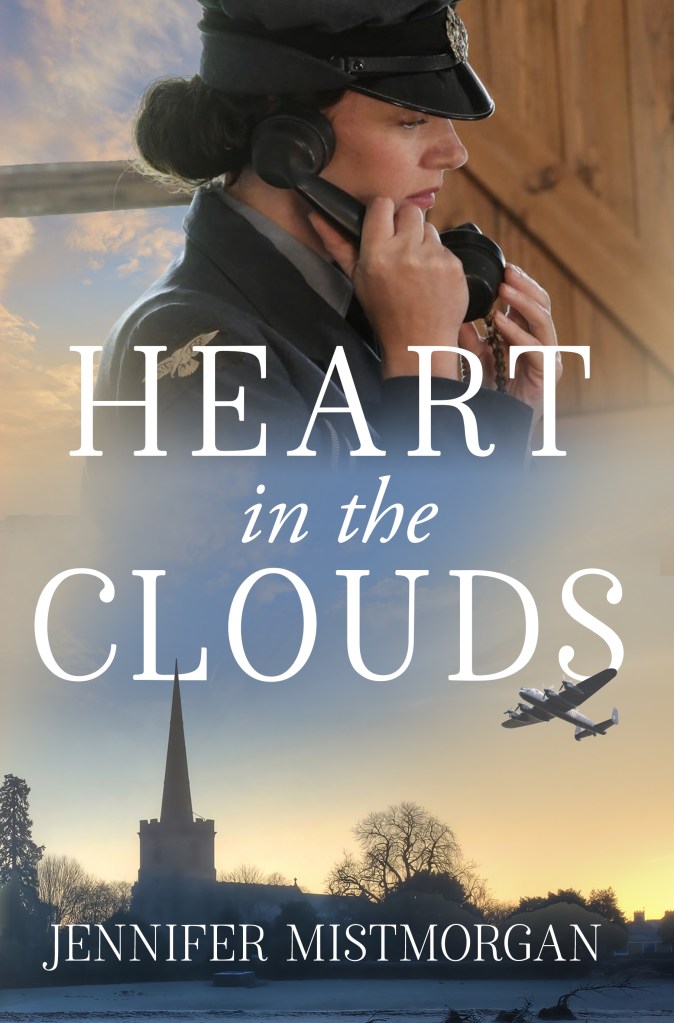
Read about Maggieโs wartime Christmas in Heart in the Clouds, available at Amazon and other retailers.
____________
About the author:
Australian author Jennifer Mistmorgan sometimes feels like she was born in the wrong era. So she writes romantic historical fiction set in the 1940s, against the backdrop of WWII and its aftermath. Her romances are always sweet but sometimes gritty, infused with hard-core historical research, gentle faith and foodish flair. She lives in Canberra with her family and a wonky-eared West Highland terrier. Find out more atjennifermistmorgan.com, or onFacebookorInstagram.
Having run away from home in the summer of 1914 to join the Great War for Civilization, 16-year-old Evan Sinclair managed to cross the country by train, the Atlantic by steamer, and having crossed through France into occupied Belgium, he found himself with the Flemish resistance in the dangerous mission of flooding the lowlandsโa singular act that stopped the Germans from reaching the northern ports and turned the tide of the war. Having played a key role in that critical mission, Evan was badly wounded and spent some weeks in a field hospital in northern France. Discharged from hospital, he and other recovering wounded soldiers are being sent back to England by hospital ship.
Ten minutes out of Calais and bound for Dover, theย HMHS Austriumย pitched on the Chanel swells onย a cold morning in late November. Sixteen-year-old Evan Sinclair stowed his gear on theย upper berth of a cramped cabin, and grasping the worn handrail, headed up the narrow steel stairwell to the shipโs deck. He stepped to the side as a deckhand descended the stairs and asked, โYโknow where I might find Evan Sinclair?โ
โRight here. Thatโs me.โ
The man handed him a piece of paper. โThis just arrived for you.โ
In the half-light he could make out the words.
NOVEL PASTIMES WISHES TO INTERVIEW EVAN SINCLAIR PLEASE RESPOND
Evan frowned and thought, โWhat the hell does that mean? Then he called out to the deckhand who had begun climbing back up the steps. โHey! They want me to respond. How am I supposed to do that?โ
โAt the wireless office. Come with me.โ
Evan followed the deck hand up the stairs and soon found himself on the bridge. There the deckhand nodded at a closed door.
Pushing it open, Evan saw a young man reading as he reclined, feet up on a low desk between a typewriter and a burnished brass telegraphy set. Looking up from his copy of Argosy All-Story Magazine, he asked,โAre you Evan Sinclair?โ
โYes.โ He held up the paper. โI believe this came from you. What do you make of it?โ
The young man shrugged. โThey want to interview you.โ
โAbout what?โ
โIf youโd like, we can find out right now.โ The telegraph operator sat forward and readied his hand over the key-type transmitter. โShall we?โ
โDo you have time for that?โ
โFor now, I do. Thereโs nothing in the queue, and theyโre waiting for your response at the destination station in Londonโโ
โLondon? Isnโt that too far away?โ
โNot at allโwe can transmit wireless over twice that distance.โ
โHow?โ
โMorse code by radio waves. Do you want to do this or not?โ
โSure,โ he said and watched as the operator began tapping the brass key. Once he stopped, Evan asked, โWhat did you transmit?โ
โI told them that Evan Sinclair is standing by for the interview with Novel PASTimes.โ The operator moved his headphones up from his neck to his ears and reached out to bring the typewriter forward. โTheyโll get back to us soon enough and Iโll type out the responses for youโโ
Before he finished speaking, Evan could hear the shrill staccato of the Morse code from the operatorโs earphones. As he began typing, Evan leaned down and read the message.
WELCOME HOME HOW DOES IT FEEL TO BE A HERO
A hero? he thought. Are they referring to what I did to help flood the polders? Evan said nothing for a few seconds while the images flashed through his headโthe bright moon over the lowlands, the partisans exposed by the sluice gate, the German machinegun from within the protecting nest of sandbags, firing and firing, smoke from the gun rising in the air, desperate and failed attempts by the partisans to silence it, with pistol, with grenade. He remembered crawling over smooth stones in the mud, trying to reach the dark shelter of the poplars, there the foliage blocked out the moonlight and he was able to stand and hurl smooth stones with his sling into the machinegun nest, again and again, drawing their attention away from the partisans at the sluice gate. And, finally, moonlight shining on rising water as the polders floodedโ
The telegraph operator cleared his throat. โDo you want to reply?โ
Evan nodded. โTell them โ Iโm not sure what they mean.โ
The operator tapped out the message, and the reply came quickly, and the young man typed it out.
FLOODING POLDERS KEPT GERMANS FROM TAKING NORTHERN PORTS AND WINNING THE WAR NOW THEY WONT NOT NOW NOT EVER
He knew that was true. The key to a quick German victory was to seize the port cities of northern France and Belgium. But slowed and stopped with the flooding of the lowlands, their progress had ground to a halt. And everyone knew that without a quick victory, Germany would have none. And though the subsequent trench warfare was horrific and grinding, it contained Germany and drew out the war, and a longer war would end in Germanyโs defeat.
Which is why I left home to join the Great War for Civilization, he thought. To make a difference. And I did.
He spoke a shortened version of those thoughts to the operator who tapped them out into the wireless radio waves bound for London. After a few minutes the next question came.
THERES TALK OF YOU RECEIVING THE VC
The Victoria Cross? Evan shook his head in disbelief. Britainโs most prestigious decoration? Theyโd give it to me for throwing rocks at Germans? The ones who really deserve a medal are the Flemish partisans who died at the sluice gate, the ones who actually flooded the poldersโEmile Peeters and Hendrik Geeraert.
Evan proceeded to dictate these thoughts to the operator who tapped them out. Evan made sure that he got the spelling of their names right.
After a few minutes the next question came, the shrillness of the code less jarring as Evan was getting used to it. He read the typed transcription.
WHAT DO YOU PLAN TO DO ONCE YOU GET BACK TO ENGLAND
Before speaking, Evan considered how to reply. Iโm pretty sure my dad left Utah to look for me in England. Heโs probably back nowโat our old house in Oxford. I definitely want to spend some time with himโto mend fences after the way I ran off. And once Iโm fit for service I want to get back to the fight, that is, if the war is still going on. But not on the Western FrontโIโll ask for them to send me to Cairo.
Dictating these thoughts to the operator, Evan hoped that his father might hear the news before he arrived at the front door in Oxford. As he waited for the tapping to stop, his thoughts turned to a beautiful young nurse he had met while hospitalized in France. Iโd really like to get back there for a quick visitโto see her againโ
โUh-oh!โ the operator cut into his thoughts. โIโve got someone in the queue now. Iโve got to sign out with NOVEL PASTimes, and take this.โ
โNo problem. Iโm glad weโre done,โ Evan said as he watched the operator hunch over listening as he typed out the incoming message.
GERMAN U BOATS SIGHTED IN CHANNEL BEGIN EVASIVE MANEUVERS
Evanโs breath caught as the operator grabbed the message and ran out to the bridge, yelling for the captain.
Wireless Telegraphy Communication between ship and shore was by Morse code, as it was for conventional telegraphy. The equipment only transmitted messages for about 300 miles in daylight, although that figure doubled or tripled after dark thanks to the refraction of long-wave radiation in the ionosphere. The wireless operators sending these messages were independent young men of the modern age who had been recruited with the promise of escaping “blind alley careers”. They chatted to wireless operators in other ships in a jaunty, mock public school slang, calling each other “old man”.
Photo of the HMHS Austrium
Michael J. Cooperย emigrated to Israel in 1966 and lived in Jerusalem during the last year the city was divided between Israel and Jordan. He graduated from Tel Aviv University Medical School, and after a 40-year career as a pediatric cardiologist in Northern California, he continues to do volunteer missions serving Palestinian children who lack access to care. His historical fiction novels include โFoxes in the Vineyard,โ set in 1948 Jerusalem, which won the 2011 Indie Publishing Contest grand prize, and โThe Rabbiโs Knight,โ set in the Holy Land in 1290. โWages of Empireโ won the 2022 CIBA Rossetti Award for YA fiction along with first- place honors for the 2022 CIBA Hemingway award for wartime historical fiction. He lives in Northern California with his wife and a spoiled-rotten cat. Three adult children occasionally drop by. Learn more atย michaeljcooper.net.ย
Amazon Affiliate Link Used, helping to support the blog.
November 7, 2023; ISBN 9780800741716; Ebook ISBN 9781493443420; $17.99; Paper
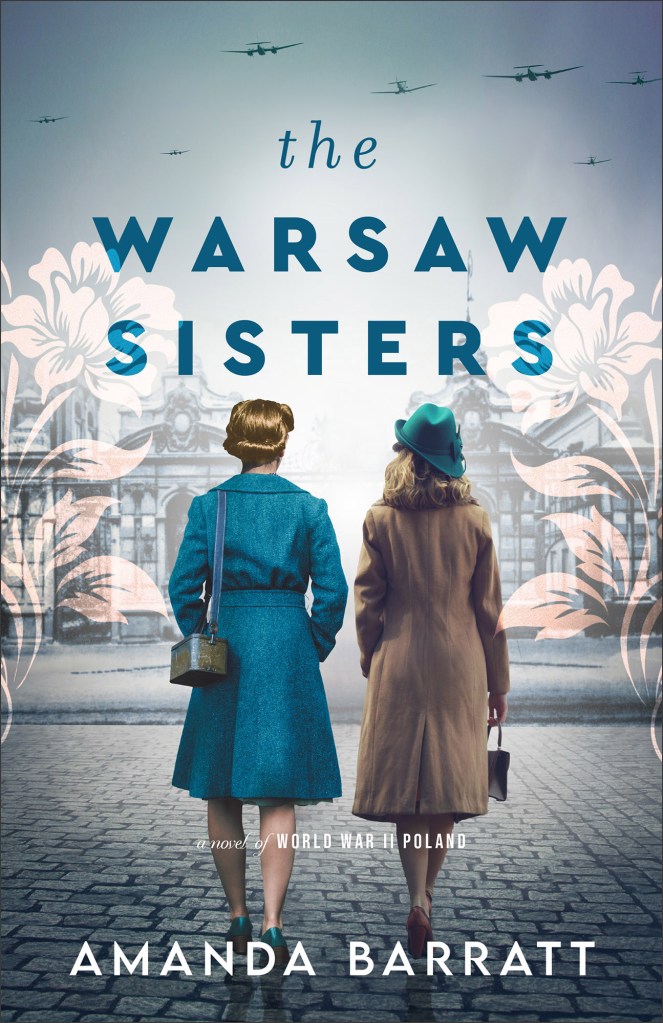
In WWII Poland, two sisters fight against the darkness engulfing their homeland, one by entering a daring network of women sheltering Jewish children and the other by joining the ranks of Polandโs secret army. As Warsaw buckles under German oppression, they must rely on the courage that calls the ordinary to resist.
Welcome to Novel PASTimes! We are pleased you stopped by today.
Tell us something about where you live.ย
I live in Warsaw, Poland. When I was growing up, Warsaw was a vibrant city, full of beauty and life and freedom, but the German occupation has stripped so much away. When the first bombs fell in September 1939, it was only the beginning of the destruction that would descend upon our beloved capital. Life under occupation means endless restrictions and decrees. There is a curfew every evening. We can no longer own radios. We exist on a diet of black bread and potatoes, with the occasional bit of odorous meat. Civilians are rounded up in the streets and deported to forced labor in Germany while others are seized as hostages to be executed whenever anything happens that displeases the Germans. First our Jewish neighbors were forced to wear an armband marked with the Star of David, but in the autumn of 1940, all Jews in Warsaw were ordered to move to what the occupation authorities call a โJewish residential district.โ The ghetto is surrounded by a high brick wall crowned with barbed wire, and though I havenโt been inside, Iโve heard rumors about the overcrowding and starvation and disease. Warsaw is still the city of my heart, but sheโlike all of usโbears the cracks and scars of war.ย
Do you have an occupation? What do you like or dislike about your work?
ย Iโm a secretary at a German office. I didnโt want to work for the occupiers, but my sister and I must both earn or we will soon starve.ย
Who are the special people in your life?ย
My tata and I share a cherished bond. He calls me hisย kwiatuszekโhis little flower. He went off to fight just before the outbreak of war, but he was captured and sent to a prisoner of war camp. When he was with us, I always felt safe and protected, but now my sister and I are alone. Antonina and I used to be close, but sheโs been so distant of late and I donโt know why. We used to talk, but we donโt anymore, not about things that truly matter. War leaves everything in shards, even the bonds that should be the most abiding.ย
What is your heartโs deepest desire?ย
For the war to end and for Poland to be free. But thatโs what every citizen of Warsaw would say. Deep down, I suppose what I really mean is that I want the life we once had. When my tata was home and my sister and I still shared our secrets and hopes.ย ย When everything was simple and certain. When we trusted the future instead of feared it. But thatโs all gone now. Sometimes I doubt it will ever return.ย
What are you most afraid of?ย
Iโm afraid of losing the ones I love. Iโve already lost so much. It leaves you feeling small and frightened and powerless. Such pain reaches far deeper than any physical wound. It breaks the heart and a heart doesnโt heal. It grows numb, but not whole. This is what I have learned.
Do you have a cherished possession?ย
The letters my tata sent from the prisoner of war camp are very precious to me. I no longer need to fix my eyes upon them, for I carry every word in my heart already. But I never tire of reading them, of tracing his script with my fingertip. Itโs been so long since weโve had any word from him, and my heart aches with fear, even as I cling to hope.ย ย
What do you expect the future will hold for you?ย
Life is so uncertain. Fear is a daily reality, one weโve become so accustomed to itโs as if weโve forgotten what it is to live beyond its shadow. You asked about the future? I donโt know what it holds, but I wish I could fight back somehow. Iโm not certain what resistance really means, but I want to believe I can be more than the frightened girl watching the ones I love dragged into a relentless undertow. I want to believe I can give something that matters. I want to believe there is hope in defiance.ย
Thanks for allowing us to get know you a little better!
Bio:ย Amanda Barrattย is the bestselling author of numerous historical novels and novellas, includingย The White Rose Resistsย (a 2021 Christy Award winner) andย Within These Walls of Sorrow. She is passionate about illuminating oft-forgotten facets of history through a fictional narrative. Amanda lives in Michigan. Learn more at AmandaBarratt.net.
Today weโre talking to Alberta โBertieโ Jenkins. Bertie, youโve lived your entire life in the mountains of Appalachia, is that right?
Yes, my Papa and Mam were born in these parts, as were their folks. The Jenkins roots run deep in these hills.
Iโve only been camping in the mountains, so Iโm not sure what it would be like to live there permanently.
Itโs wonderful. Every morninโ you wake up to the sound of birds and breezes and critters rather than noise from the city. All of us who are home gather โround the big kitchen table and eat a hearty breakfast. Jennie does most of the cookinโ, and sheโs as fine a cook as Mam. After the meal, we have Bible readinโ. When Papa was alive, he chose the Scripture passage for the day, but since heโs gone on to heaven, Jennie reads to us now. Sometimes weโll discuss the Word, sometimes not. Someone will say a prayer of blessinโ over the day, and then weโll scatter like ants. Everyone has their own chores to tend and things to get done before the sun disappears behind the mountain. When the boys were home, theyโd go off huntinโ or fishinโ after chores were done. Us girls would pick bunches of wildflowers and wade in the creek. Weโd have contests to see who could find the prettiest rock or find a robinโs nest or climb the highest tree.
We went to school six months out of the year, mostly durinโ the fall and winter. Papa and some of the neighbors built a schoolhouse โbout a mile down the mountain from our place. We children walked there or rode a mule, but soon as plantinโ season came, we were needed at home.
What is your favorite season in the mountains?
Iโm partial to autumn. God takes his paintbrush and touches nearly every growinโ thing with shades of red, yellow, and orange. Even those plants whose leaves turn brown are pretty in their own way. Springtime, too, is my favorite. Everything is new and fresh and bright. Flowers, baby birds, new fawns. Yes, springtime is mighty fine too. Summertime is full of tendinโ the garden, shearinโ the sheep, plowinโ and growinโ crops and then canninโ it all so weโll have plenty of vittles come winter, my least favorite season.
Why is winter your least favorite?
Even though we donโt have the corn and wheat fields and the big garden to tend during the winter, the bitter weather and snow makes life hard here in the mountains. Donโt get me wrong, though. Thereโs beauty in every season, but winter brings hard work with it. The critters need extra feed since thereโs no grass or bugs. Water freezes in buckets and troughs. Toes freeze when youโre outside too long. Firewood must be chopped several times a day. The house never really gets warm, even with Papaโs two fine fireplaces and the cookstove sendinโ out heat. But there are sweet times in the winter that we donโt usually get in the busy warmer months. Lots of sittinโ in the gatherinโ room, tellinโ stories and knittinโ or sewinโ. I enjoy readinโ novels, although my elder sister says theyโre silly and a waste of time.
Tell us about your family.
Papa and Mam had eleven children. Iโm second to the youngest, with my sister Rubie beinโ the baby. Papa always said she was wise beyond her years, and Iโd have to agree with him. Papa built our log cabin after he and Mam married. Heโd been in the War Between the Statesโserved in the Union Army like most East Tennesseansโand after he came home, they married and started their family.
It must have been fun growing up with so many siblings.
Since I donโt know any other way of growinโ up, Iโd say so. There was always chores to be doneโgardeninโ, cookinโ, cleaninโ, piles of laundryโbut we had good times too. My brothers liked to tease us youngโunโs by catchinโ snakes and lizards and bugs, but I wasnโt ever afraid of โem the way my other sisters were. There were seven of us girls and four boys. After the boys were grown, they bought farms of their own and moved away, but only our sister Catherine married and left home. The rest of us girls live on the family homestead.
Thatโs fascinating. This might be too personal, but may I ask why you and your other sisters never married?
It ainโt too personal. Itโs my story. My elder sister, Jennie, was a young girl when she decided not to marry, but three of my other sisters wanted husbands. Catie found a good man to wed, and the other two girls, Bonnie and Amelie, found fellas soon after. But those boys met with a terrible accident and were killed. My sisters never got over it. I watched each of them and the choices they made and concluded I wasnโt interested in marryinโ a fella and movinโ away. We sisters stayed on the homestead together, helpinโ each other and livinโ a good life.
Iโm sorry to hear about the tragedy. I suppose everyone suffers loss at one time or another.
Thatโs true. Jesus said in this world weโll have trouble, but he also says heโs overcome any troubles we face, includinโ death. In all my years as a midwife, I saw many miracles, but I also saw sadness.
Tell me how you came to be a midwife.
Mam was trained as a midwife by her mama. And her mama by her mama. We mountain folk tend not to trust fancy doctors and hospitals. Weโd rather have our own people care for us, if possible. I was just a youngโun when I first saw a baby beinโ born. Whoo-wee, that was somethinโ. I couldnโt imagine how that little fellow got inside his mamaโs belly and came out lookinโ so perfect. From then on, I asked Mam to train me in midwifery too.
How many babies have you delivered?
Too many to count.
Do you have a favorite among them?
I sure do. One hot summer day back in 1943, a young gal showed up at our place. She was pregnant and alone, so my sisters and I took her in. When her time came, I tended the birth. Iโll never forget the moment I looked in that childโs eyes. I fell in love.
What happened to the baby?
Well, thatโs a story for another day, I think.
Thank you for sharing your mountain life with us, Bertie. It sure makes me want to visit Appalachia soon.
Youโre welcome in our beautiful part of the world anytime. Thereโs always somethinโ to do in the mountains. Hikinโ, bikinโ, picnickinโ, or just sittinโ and enjoinโ Godโs handiwork.
It sounds perfect.
It is
.
Michelle Shockleeย is the author of several historical novels, includingย Count the Nights by Stars, aย Christianity Todayย fiction book award winner, andย Under the Tulip Tree, a Christy and Selah Awards finalist. Her work has been featured in numerous Chicken Soup for the Soul books, magazines, and blogs. Married to her college sweetheart and the mother of two grown sons, she makes her home in Tennessee, not far from the historical sites she writes about.ย
Amazon Affiliate Link used, which benefits the blog.
Iโd like you to meet my guest today. Can you introduce yourself, please?
Guten Tag. My name is Lena Neubauer. My Momma named me Magdelena after her mother, but I have always been called Lena.
I grew up as the oldest girl in a house with seven children. My father provided for our happy childhood in the small German town of Frohn.
Have you lived in Germany your entire life?
Well, my adventurous older brother moved to America with his bride but when she died in childbirth, he sent for me to watch over their children there. Watching the younger children has always been a privilege to me. My own siblings were growing up, so I willingly traveled across the ocean to see to my brotherโs needs. That is how I ended up here in America.
So, are you a nanny?
Iโm not sure Iโd call myself a nanny, only a helpful sister and aunt. We were taught always to put family first.
Was it scary to cross the Atlantic alone?
A young woman traveling alone in the mid-1800s was daunting. I knew no one else and tried to stay to myself but was befriended by a young family who took me in as if I were a nanny to their children. Isnโt it wonderful how the Lord provides in our time of need?
Of course, America was nothing like my brother Herman described in his letters. The treatment of the dockworkers in New Orleans alarmed me. I had no experience with slavery except the Bible passages about it. Being face to face with such ill treatment disturbed me.
Did you stay in New Orleans?
Fortunately, my brother lived upriver on the Illinois side of the Mississippi. We spent some time on a paddle-wheeler after only a brief stay in New Orleans. It was a very pleasant adventure.
It looks like there is more to that story. Would you like to elaborate?
Well, I met a young abolitionist Karl who became a sort of tour guide. He helped me understand much of what I was witnessing in this strange land. He was an unexpected Godsend for me.
Did you stay friends after the trip? You seem to be blushing.
I really cannot say. My story is yet unfinished with him, I think. His wild abolitionist ways are a bit frightening, yet intriguing. It is difficult to explain the hold he has on me, but I am in no position to give in to those thoughts.
What do you expect the future to hold for you, Lena?
I pray that the Lord will lead me to always do the right thing. My brother Herman needs me and that is where I will stay until I am not needed there anymore. Whether that leaves me adrift in a strange land, only God knows. However, He has never left me nor forsaken me before and I am sure He will be beside me all the days of my life.
Is there anything else youโd like everyone to know about you?
I am a child of God. He can take ordinary people like me across oceans to brave injustice and love through the most difficult circumstances. Always be open to how God can use you. Thatโs what He did for me when I trusted Him.
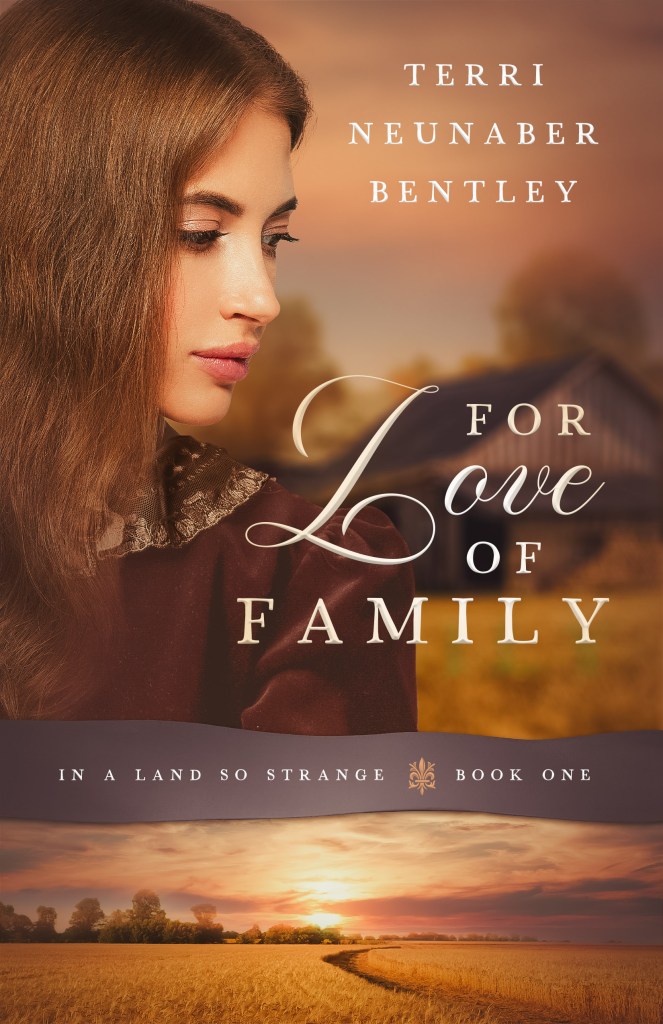
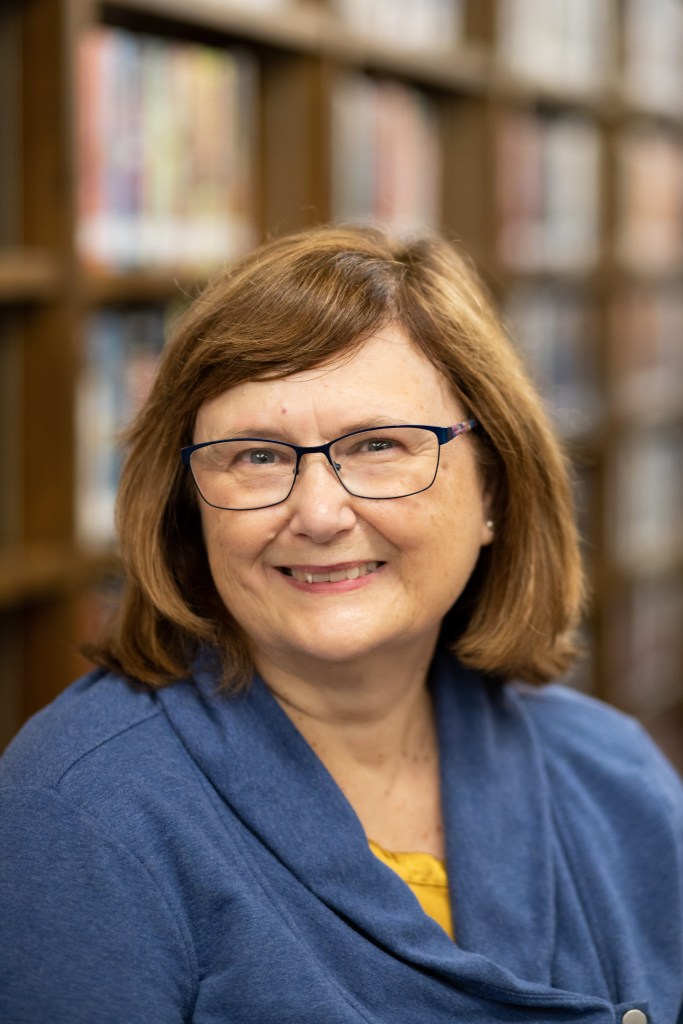
Terri writes in the Idaho mountains where she lives with her husband and two big dogs. After raising three children and retiring as an English teacher, she now is a national speaker and Bible study leader for womenโs groups. ย She is also a successful writer of articles, devotions, retreats, and church programs. When she is not writing or kayaking down the MiddleFork of the Payette River, spending time with her grandchildren fills her heart.
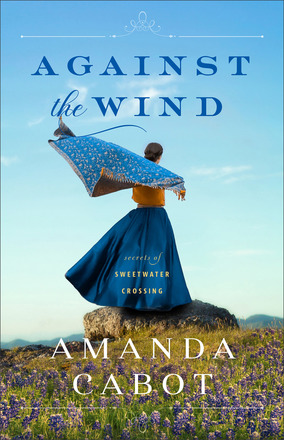
Ready to leave town and start her life as a doctor-in-training, Louisa Vaughn finds herself stuck in Sweetwater Crossing saving a handsome strangerโs life. Little does she know that heโll bring both love and danger into her life.
Affiliate link used.
Welcome to Novel PASTimes! We are pleased you stopped by today.
Thanks so much for inviting me. Iโm delighted to be chatting with you.
Tell us something about where you live.
You would ask about that, wouldnโt you? Until last year I would have told you that my life in Sweetwater Crossing was just about perfect. Even though Doc Sheridan scoffed at my plans to become a doctor, life in that small Texas Hill Country town was pretty good. But when my parents died and my oldest sister decided to turn our home into a boarding house, I knew it was time to leave.
Going to Cimarron Creek was the best thing Iโve ever done. Not only were there no misguided sisters, but โ more importantly โ everyone took my dreams seriously. I learned so much from the townโs doctor and midwife, and the residents trusted me with their care. After hearing that, you wonโt be surprised when I say that I never planned to return to Sweetwater Crossing, but you know what they say about the best laid plans. Yes, Iโm back โฆ for at least six weeks.
Do you have an occupation? What do you like or dislike about your work?
Iโd like to say that Iโm a doctor, but the truth is, Iโm not a doctor โฆ yet. Iโm a fully qualified midwife, but I still need more training to be considered a physician. Thatโs one of the reasons I wish I were still in Cimarron Creek. I was getting the training I needed there. Now that Iโm back in Sweetwater Crossing, Iโm doing the best I can by reading the books in Doc Sheridanโs office. Oh, why did I call it that? Itโs MY office now.
Whether you call me a doctor or not, I LOVE being a healer. Thereโs such joy in helping women bring new life into this world and in being able to set a manโs badly broken leg.
Who are the special people in your life?
My family, of course. Even though my sisters annoy me at times, theyโre still very dear to me. And then thereโs the man I found lying on the side of the road, his leg so badly broken that โ even though I wouldnโt admit it to him โ I was afraid I wouldnโt be able to set it properly. Josh is unlike any man Iโve ever met. Heโs urbane and dedicated, but what intrigues me the most is what he doesnโt say. I know there are secrets behind that smile, and I for one want to discover what they are.
What is your heartโs deepest desire?
A month ago, I would have told you that it was for Sweetwater Crossingโs residents to respect me as a healer. Thatโs still true, but now I have a second wish thatโs as strong as the first one. I want Josh to have the future heโs dreamed of. I know winning his grandfatherโs challenge is a key to that, but something tells me thereโs more. I wish I knew what it was.
What are you most afraid of?
I donโt like snakes. To be perfectly honest, Iโm afraid of them, but what terrifies me are bees. My first bee sting was one Iโll never forget, and Doc warned me that another one could kill me. Thatโs why I avoid getting anywhere near bees. I canโt take chances with my life, not when Iโm the only healer Sweetwater Crossing has.
What do you expect the future will hold for you?
Oh, I wish I could predict it, but of course I canโt. What I know is that each day is a gift to treasure and that whatever the future brings, thereโll be something good in every day.
Thanks for allowing us to get know you a little better!
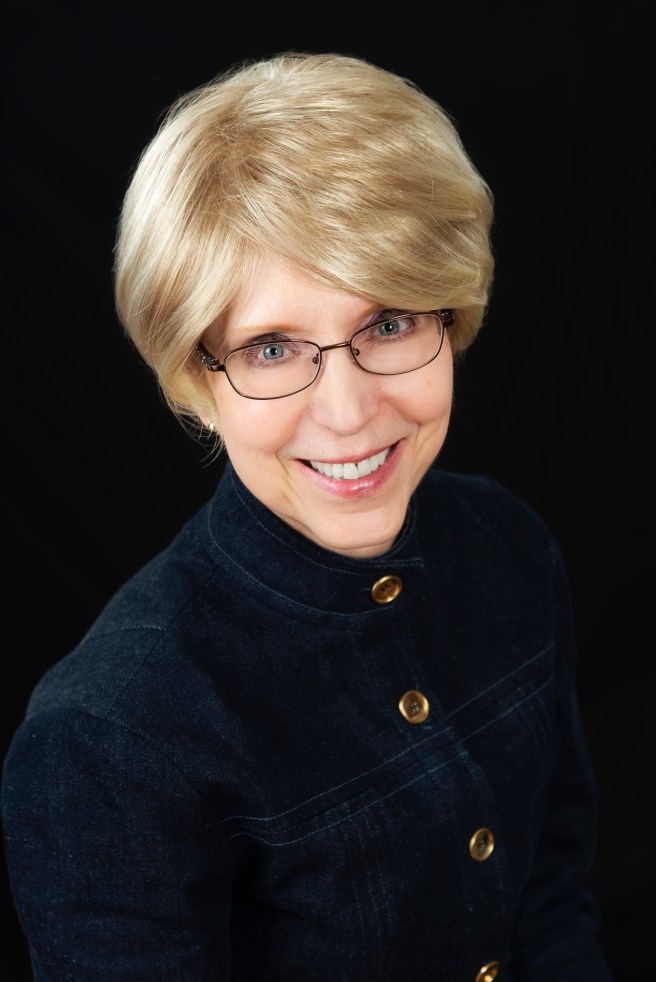
Amanda Cabot is the bestselling author of After the Shadows, as well as several historical and contemporary romance series, including Mesquite Springs, Cimarron Creek Trilogy, Texas Crossroads, Texas Dreams, and Westward Winds. Her books have been finalists for the ACFW Carol Awards, the HOLT Medallion, and the Booksellersโ Best. She lives in Wyoming.
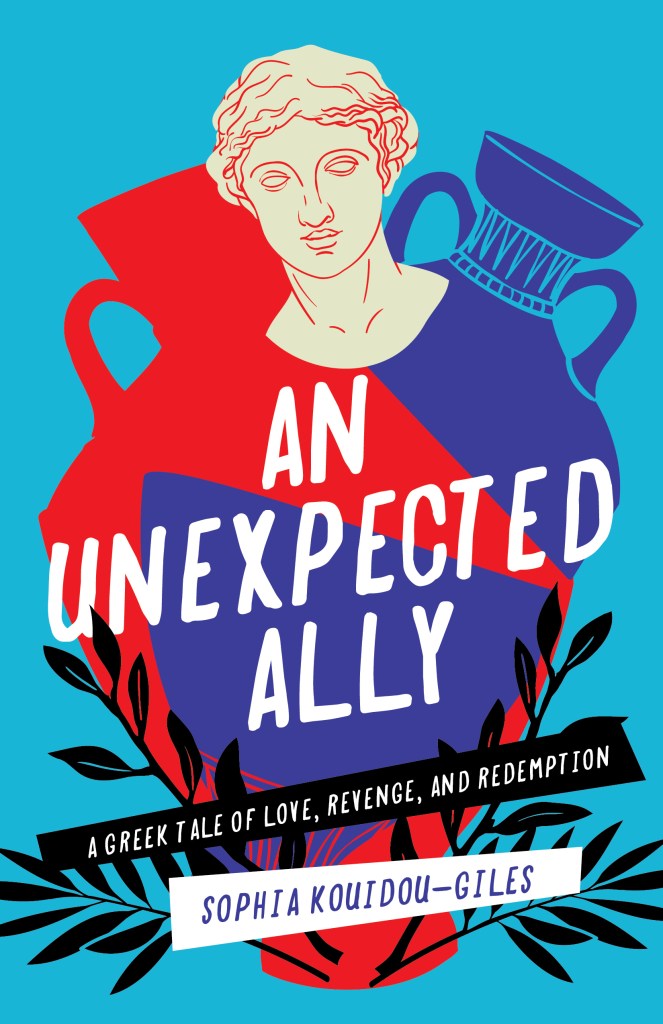
In this retelling of ancient Greek myth, Circe seeks a new lover, amphibian Glaucus, after Odysseusโs departure from the island of Aeaea; but in a twist of fortune, mortal Skylla complicates her plans, leading to an adventure threaded with friendship, jealousy, revenge, and redemption . . . and filled with divine interventions, shapeshifting, and magic. Meet Circe, Glaucus and Skylla andย prepare for an epic adventure in the Mediterranean Sea.
TELL ME ABOUT YOURSELF AND YOUR FAMILY
I am Circe, the enchantress of Aeaea. My powers are mighty, but I am not an evil witch. I am the daughter of Helios, the sun god, and Perse, his wife. My brother, Aeetes, rules the kingdom of Colchis, and I live on my own island. Though I have not seen my brother in eons, I miss him dearly. Recently Odysseus has been my companion, but he is about to leave me for his wife and his island, Ithaca. My life is filled with complexities, but I am more than the stories told about me. I embrace my true essence as Circe and weaving my own legacy through the ages.
CAN YOU TELL ME WHERE YOU LIVE AND WHAT YOU LIKE TO DO?
Of course! I live on the secluded island of Aeaea, surrounded by the vastness of the sparkling Aegean Sea. My palace is nestled amidst lush greenery, and I am surrounded by servants and my beloved tamed wild beasts.
I am connected to trees, plants and herbs, a testament to my deep connection with nature. Herb medicine is my passion, and I spend a significant portion of my time exploring their secrets, unraveling their healing properties, creating potions and medicinal remedies. Creating beautiful tapestries through weaving and intricate designs gives me solace and reflects my environment. Unlike some gods, I delight in mingling with mortals. Observing their lives and experiences has been a source of inspiration and insight.
My island is a haven where magic and mystery intertwine. I relish exploring its beauty and uncovering its hidden treasures, always seeking to learn and grow as I navigate through this ever-changing world.
WHAT CAUSED YOU TO LEAVE YOUR ISLAND?
I heard from Odysseusโs men about an amphibian creature named Glaucus, who lives near the island of Delos. The crew spoke highly of him, mentioning his helpful guidance and extensive knowledge of herbs. Intrigued by the possibility of meeting a kind and unusual demigod as I was thinking about finding a potential companion, I decided to journey to Delos. The islandโs fame, with its many temples and significance as the birthplace of Apollo, added to the allure of my adventure. I couldnโt resist the opportunity to explore Delos, learn more about who Glaucus was and meet Ariston, a fisherman and a local beauty, Skylla, among other locals.
GLAUCUS, WHAT IS YOUR STORY?
I am a sea creature, a mystical being with unique magical properties. My powers encompass prophecy, the deep knowledge of sea herbs, and a profound understanding of the sea. It has been revealed to me that someday, I will meet Circe.
In my mortal life, I was once a humble fisherman, which granted me an innate connection to the sea and the plight of sailors. I became of demigod when I discovered the magic herb gods call moly, a black root with a milky white flower. When I found and ate it, it became my talisman to immortality. But I also lost my arms and feet, gaining fins and a tail, and turned into an amphibian creature. With my superhuman powers, I offer protection and guidance to those who traverse the treacherous waters, ensuring their safety and well-being. Through my abilities, I weave the threads of destiny and harness the forces of nature to bring aid to those in need. And I am in love!
SCYLLA OF DELOS, WHO ARE YOU AND HOW DO YOU KNOW CIRCE?
I met her on my beach where I swim every day. She was visiting our island, and she talked to me and honored me with her friendship. I am a young woman who lives with my father, Phorkys. My mother passed away when I was three years old, and we still grieve for my brother who was swallowed by the stormy seas. I am my fatherโs only child and I love him dearly. My uncle is the head priest for the temple of Poseidon and is well respected in Delos.
I am an attractive young woman that has friends in my village, and I am a strong swimmer There are a couple of boys that are pursuing me, but I have not chosen who will be the one.
CIRCE, WHAT DID YOU LEARN THAT BROUGHT YOU TO DELOS A SECOND TIME?
Back on my island of Aeaea and upon consulting my scrying mirror, I learned that there is trouble in Delos that required my immediate action. Something must have happened to Skylla or Glaucus, and although it was not clear, I needed to find out what it is. In the turbulent world of gods mingling with mortals, I shifted shapes, flew to Delos and discovered the trouble. Come along with me for I should be able to reverse the course of evil.
I WILL LOOK FORWARD TO READING MORE ABOUT YOU, CIRCE, AND FOLLOW YOUR ADVENTURES WITH GLAUCUS AND SKYLLA.
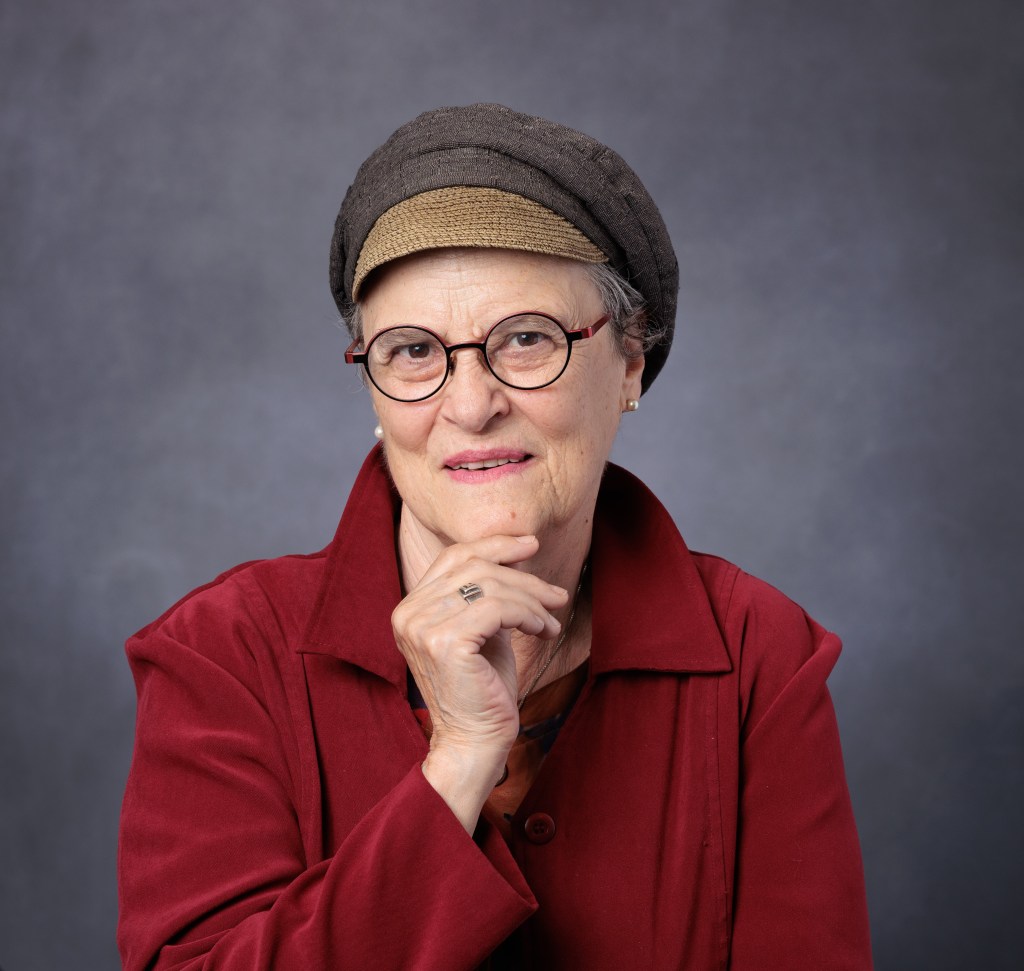
Sophia Kouidou-Giles was born in Thessaloniki, Greece, and university educated in the USA. She holds a bachelorโs degree in psychology and masters in social work. In her over-30-year child welfare career, she served as a practitioner, educator, researcher, and administrator and published articles in Greek and English professional journals. In recent years, her focus has shifted to writing nonfiction, fiction, poetry, and translation. She has published in Voices, Persimmon Tree, Assay, The Ravenโs Perch, The Time Collection, and The Blue Nib. Her poetry chapbook is Transitions and Passages. Her work has appeared in anthologies, including The Time Collection, Visual Verse, and Art in the Time of Unbearable Crisis.
Her memoir, ฮฯฮนฯฯฯฮฟฯฮฎ ฮฃฯฮท ฮฮตฯฯฮฑฮปฮฟฮฝฮฏฮบฮท/Return to Thessaloniki, was published in Greek by Tyfri Press. The book in English: Sophiaโs Return: Uncovering My Motherโs Past, was published by She Writes Press. Sophia lives in Seattle, Washington, near her son, her daughter-in-law, and two grandsons. Find out more about her at her website. Perse is a sequel to An Unexpected Ally. Look for it in November 2025.
Amazon Affiliate Link Used which helps support the blog.
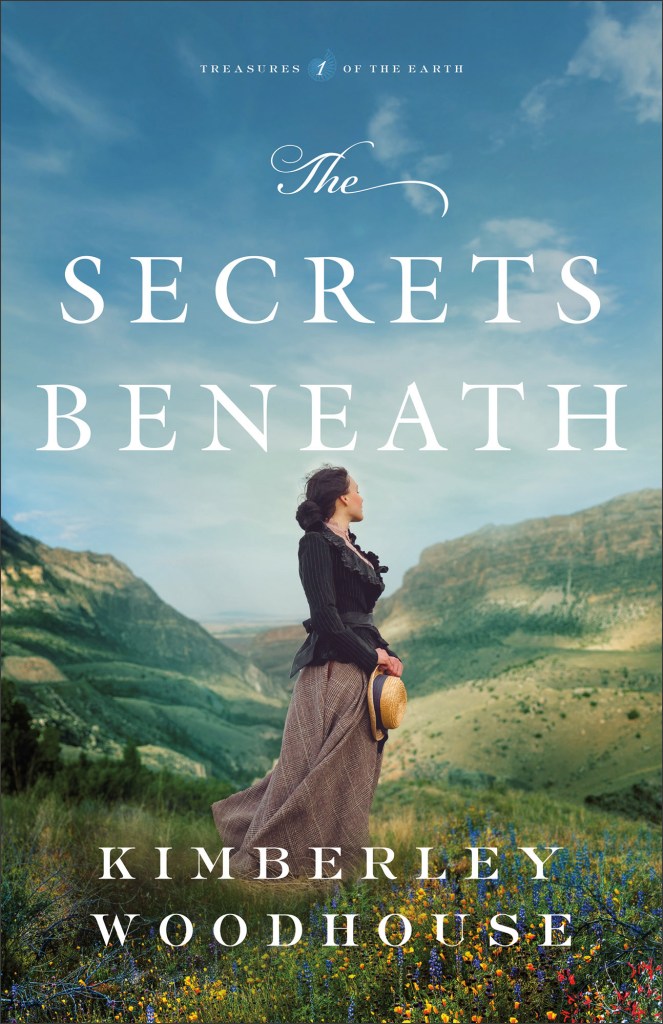
Anna Lakeman has spent her life working alongside her paleontologist father. When they find dinosaur bones, a rich investor tries to take over their dig. As Anna fights for recognition of her work and reconnects with an old beau, tensions mount and secrets are unburied. How can they keep the perils of the past from threatening their renewed affection?
Welcome to Novel PASTimes! We are pleased you stopped by today.
Thank you. But Iโm only here for Anna. Will she be here too?
Tell us something about where you live.
My father came here with a wagon train, saw the fertile river area, decided to stay here, and built himself a big ranch. I donโt care much about it. Even though Iโve worked it my whole life and know everything there is to know about ranching. But my mother taught me to garden. Thatโs what I really love to do. My flower beds are my favorite.
Is there anything special about your name? Why do you think you were given that name?
Julian? I donโt think soโฆ but my mother named me. She was the most wonderful person in the entire world. She loved me. So since she gave it to me, I like it.
Do you have an occupation? What do you like or dislike about your work?
I worked on my fatherโs ranch growing up. But heโs a horrible man. So I left and worked some others. But now that my father is sick, Iโve come back. Like I said, I donโt really care much about ranching. My father loves having the largest ranch in all of Wyoming territory, but it doesnโt mean anything to me. Taking care of the animals is okay, but my passion is in the ground. I love to grow beautiful things.
Who are the special people in your life?
Mary was the most special person. She always talked to me at school. Made me feel like I mattered. But sheโs been gone for a long time now. Anna Lakemanโshe was best friends with Mary growing upโcame by the other day, and she was really nice to me. I like her a lot.
What is your heartโs deepest desire?
To be loved and accepted. For people to appreciate my gardens and to know that I am not like my father. I hate him. And always will.
What are you most afraid of?
My secrets. But no one will ever find out.
Do you have a cherished possession?
I do. But no one knows what they are. I donโt let people see them.
Thanks for allowing us to get know you a little better!
Thank you. But Iโm only here for Anna.ย
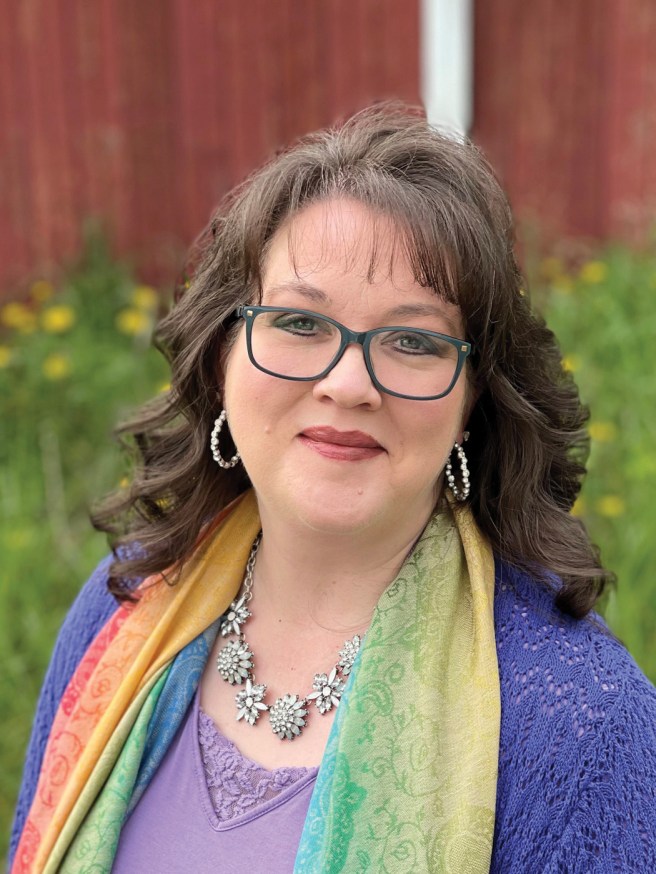
Kimberly Woodhouse is an award-winning, bestselling author of more than 30 fiction and nonfiction books. Kim and her incredible husband of 30-plus years live in the Poconos, where they play golf together, spend time with their kids and grandbaby, and research all the history around them.
Welcome to Novel PASTimes! We are pleased you stopped by today.
Our readers might not be familiar with you. Can you tell us a little something about yourself to get us started?
Certainly. My name is Ann Terry Greene Phillips. I was born in 1813 and lived all my life in Boston, Massachusetts. I was raised by my aunt and uncle on Chauncy Place after the untimely death of my parents. I lived with them until my late husband, Wendell Phillips, and I were married and moved together to a modest home on Essex Street. My life has been dominated by twin passions: my abhorrence for the institution of American slavery and my love for Wendell.
What do you think you learned from being raised by your aunt and uncle instead of your own parents?
I am lucky to have been born into a large family, such that in living with my aunt Maria and Uncle Benjamin, I was surrounded constantly by other family members as well. While I missed my own parents terribly, I never suffered for love or attention. Aunt Maria and Uncle Ben were staunch abolitionists, and growing up in their home, I was treated to many opportunities to become involved myself. For example, even as a young girl, I helped my aunt organize and sponsor abolitionist bazaars, where volunteers would donate crafted items to sell, and all monies earned would then be used to support the abolitionist agenda. Similarly, my aunt would bring me with her to meetings of the Boston Female Anti-Slavery Society, where I learned a great deal about the Cause and how to best use my own skills to help eradicate the horrid system of slavery that continued in the southern states. As soon as I was of age, I joined the BFAS as an official member and remained active in the organization throughout my life.
When did you know that Wendell Phillips was the person you wanted to marry?
I will never forget the day I met my Wendell. I had been tasked with accompanying my cousin Mary on a long ride back to her familyโs home many miles from Boston. Mary was very much in love with her beau, William, at the time, and she convinced me that he and his friend, Wendell, should join us on our ride. I suppose I was there mainly as chaperone. William brought Wendell perhaps to distract me so that he and Mary could whisper to themselves for the duration of the ride. When Wendell arrived, I remembered that Iโd seen him before, at an abolitionist rally that had turned violent. Though I could hardly have focused on the handsome bystander that day, while my friends were being threatened with arrest, I confess I had thought about him several times since. Once we were settled in the carriage and had the opportunity to converse, he began asking me questions about that rally and the Cause in general. Iโm embarrassed to admit that I grew quite passionate in my answers, speaking at such length that I eventually had to apologize for droning on so long. Well. Wendell assured me that heโd never been more interested in anything than what Iโd been saying. I knew in that moment, that I had found my match.
We were sorry to hear that youโve had some health challenges. How has that been going?
Yes, a few months after I met Wendell, I began to display signs of a mysterious illness. I had no outward signs of illness, no fever, or cough, or even rashes. Instead, I had headaches of such magnitude that I could not rise from my bed. Similarly, my muscles ached and I experienced shooting pains throughout my body at random. There were weeks when the symptoms were so bad that I could not rise from my bed. Other times, I might experience bursts of energy and hope that I was cured. Over time, I began to understand that the symptoms would simply come and go throughout my life and that I must always take care with myself, or those symptoms would return with vengeance. It has been conjectured since my death that the condition from which I suffered was a severe case of Rheumatoid Arthritis. Sadly, this was not something for which there was any treatment in my time. We did, of course, try the remedies suggested, such as water cures, various herbs, and seaside retreats. Eventually, I simply learned to live with my condition and do everything I was able in spite of it.
Living in the mid-1800s, there have been many restrictions placed on you because of your sex. In some ways, it seems that being female may actually have helped you do the abolitionist work that has been so important to you. Can you talk about that?
I suppose we can all acknowledge now that women are conspicuously absent from much of the historical record. Itโs not because we were not involved in the major historical events of our day. We simply had to restrict our participation so that it was behind closed doors. As you probably know, my husband, Wendell, became an active abolitionist and gave speeches throughout the country. He was often called โThe Golden Trumpet of Abolitionโ for his unparalleled oratory skills, and his speeches have been memorialized in many published books. As his wife, let us just say I had great โinfluenceโ over the content of his speeches. Similarly, because people were so often focused on the men in the room, female activists such as myself were often able to complete certain tasks related to the Cause without being detected. Though we often had to force ourselves to be creative in our actions, in some ways, being female may have allowed us to be more effective than our male counterparts.
Iโve heard a rumor that you donโt eat sugar. Can you expand on that?
The rumor is true, and the reason is quite simple. I refuse to sweeten my comestibles with the spoils of slavery. Cane sugar is one of the many crops that my brothers and sisters in the South have been forced to harvest, and until such time that sugar is collected by free people who are paid for their labor and treated fairly, I want no part of it.
I understand that you were one of the wealthiest young women in Boston at the time of your marriage, yet your home is quite modest. Can you tell us why that is?
Similar to my last answer. Yes, at the time that Wendell and I married, I may have been the single wealthiest young woman in the entire city, thanks to an outsize inheritance from my deceased parents. I saw no reason, however, to live in luxury while slavery persisted in this country, not when I could use my funds to help others. Wendell and I lived on what we needed, and the rest, we donated to help the enslaved, the marginalized, the downtrodden, with whatever they required.
Is there anything else youโd like people to know about you?
Iโve said it before, and Iโll say it again. The efforts that I went to in order to advance the abolitionist cause and help the enslaved were never intended as a way to bring attention to myself. I simply wanted to ensure that our nation, which promised freedom and equality for all, was living up to its ideals. I hope that my work and achievements moved us closer to that goal, even if there is still quite a way to go. I also hope that people will read my story and decide for themselves.
Thanks for allowing us to get know you a little better!
Jacqueline Friedland is the USA Today bestselling author of four novels, including He Gets That From Me and Thatโs Not a Thing. A graduate of the University of Pennsylvania and NYU Law School, she practiced as a commercial litigator at the New York law firms of Debevoise & Plimpton, LLP and Boies, Schiller & Flexner, LLP. After determining that office life did not suit her, Jackie began teaching Legal Writing and Lawyering Skills at the Benjamin Cardozo School of Law in Manhattan and working on her first book during her off hours. Finally deciding to embrace her passion and pursue writing full time, she returned to school to earn her Masters of Fine Arts from Sarah Lawrence College, graduating from the program in 2016. Since then, she has published four novels and has been hard at work on new projects. Her books have received multiple awards, including the gold medal for fiction from Readerโs Favorite, and first place in both the NextGen Indie Awards and the American Fiction Awards.
When not writing, Jackie is an avid reader of all things fiction. She loves to exercise, watch movies with her family, listen to music, make lists, and dream about exotic vacations. She lives in Westchester, New York with her husband, four children and two dogs who shed more than she ever imagined was possible.