
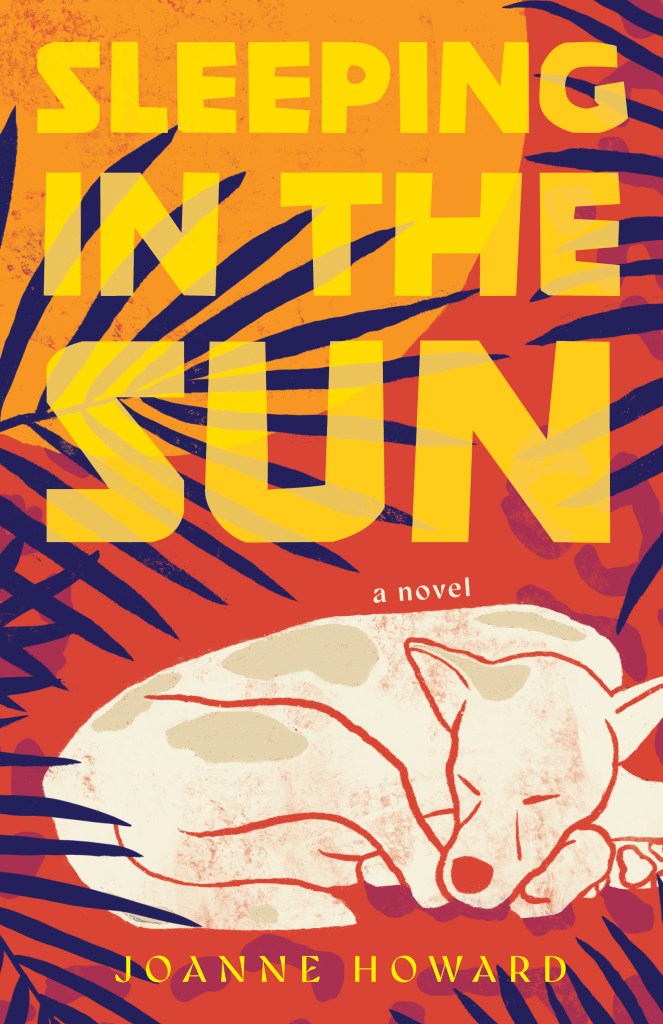
When two visitors arrive to the boarding house in India where an American boy is coming of age during the British Raj, truths unravel, disrupting his life and challenging the family’s sense of home. A unique historical angle ideal for fans of The Poisonwood Bible and The Inheritance of Loss.
In the last years of the British Raj, an American missionary family stays on in Midnapore, India. Though the Hintons enjoy white privileges, they have never been accepted by British society and instead run a boarding house on the outskirts of town where wayward native Indians come to find relief.
Young Gene Hinton can’t get out from under the thumb of his three older brothers, and the only person he can really relate to is Arthur, his family’s Indian servant. But when Uncle Ellis, a high-ranking British judge, suddenly arrives and announces he’ll be staying indefinitely in their humble house, far from his prestigious post in Himalayan foothills, life as Gene knows it is interrupted. While his brothers are excited at the judge’s arrival, he is skeptical as to why this important man is hiding out with them in the backwaters of Bengal.
Also skeptical is Arthur. Then an Indian woman appears on their doorstep—and, after growing close to her, he learns the sinister truth about the judge. Torn between a family that has provided him shelter, work, and purpose his whole life and the escalating outrage of his countrymen, Arthur must decide where his loyalties lie—and the Hintons must decide if they can still call India home.
So, Arthur. Please introduce yourself. What is your role in the Hinton household?
I am the family’s servant. The only one, actually. Which is unusual for such a large house and a family of four young boys, but…they manage with just me. Mrs. Hinton expects me to do the shopping in the bazaar, to tend to garden, to cook meals and serve them…oh, and to feed Minnie, the monkey they keep in the shed.
Is that so? Do many animals take up residence at the house?
Oh no, just Minnie. The house is a boarding house for humans, though. As part of the mission, the Hintons take in anyone who needs a momentary place to stay. It’s nice. The house is a bit far from town and I have so much to do, I don’t get many chances to meet other folk.
What do you do for yourself?
I shouldn’t say, but I like to get a quiet moment away and enjoy a bidi. Mr. Hinton doesn’t like it, smoking is a sin and all, but I think he must know and doesn’t say anything. Or a pariah dog recently started showing up, and she likes to play with me. She’s quite sweet, and I’ve grown fond of her. Almost thinking of her as my own. I’ve never really had anyone of my own…
I’ve heard this is a somewhat turbulent time in India. Have you seen or experienced any political unrest?
The country is always changing. There’s a serious anti-Raj movement that’s gaining momentum, when just a few decades ago, such sentiment would have been dangerous. But Calcutta and Bengal have always been on the more progressive side of things. Perhaps you have heard of the Bengal Renaissance? I don’t have much time to read, but I know there were works about independence and individualism, that sort of thing. Sounds very American, now that I think about it. But yes: I’ve seen some rallies get out of hand in the bazaar. Some people say the Raj will fall soon. But I have too much to do to pay attention to that. The Hintons depend on me to keep everything running.
Many people want the British out of India. Would that also mean the Hintons have to go? What would life be like for you with them gone?
I…don’t know. I suppose I’d be sad. I’ve known them ever since Mr. and Mrs. Hinton came here to Midnapore, when their oldest was just a baby. But maybe they could stay on? The work that they do as missionaries is with the native Indian tribes here, and I don’t see how they couldn’t go on doing that if the British weren’t in charge. They’re American, after all. Doesn’t that make them exempt?
Does it?
[Pauses.] It does. Of course it does. Because if it doesn’t…then they’re just the same as the British, in the end. And that would mean I’ve been serving the Raj in some way. Which I never intended. I know some Indians don’t have any choice, and the British employ so many people, but I tried not to. The Hintons are just an American missionary family, they don’t have the same kind of power as the British.
How is life different for this American family compared to a typical British family?
They wouldn’t ever admit it, but of course they have less money and are not so concerned with fitting in with the rest of British society. Like I said, they’d never admit it, but I think they’re quite proud of it, not fitting in, really. It seems…American of them.

Joanne Howard is an Asian American writer from California. She holds an MFA in writing from Pacific University. Her poetry received an honorable mention from Stanford University’s 2019 Paul Kalanithi Writing Award. Her fiction has been published in The Catalyst by UC Santa Barbara, The Metaworker Literary Magazine and the Marin Independent Journal and her nonfiction has been published in Another New Calligraphy and The Santa Barbara Independent. She lives in Santa Rosa, CA. Find out more at her website.
Instagram: @joannesbooks

 Novel PASTimes